
If you or someone you love is weighing opioid use disorder recovery options, you need clear answers and fast access to care. This guide explains what works, why it works, and how to start today—using Road To Recovery’s real-world, outpatient services across Ontario. You’ll learn how medication-assisted treatment like methadone, Suboxone (buprenorphine-naloxone), monthly Sublocade injections, and Kadian (slow-release morphine) fit within Opioid Agonist Therapy (OAT), plus what to expect from same-day intake, judgment-free care, and coordinated psychiatry referrals.
Overview
- Understand the full spectrum of opioid use disorder recovery options (OAT, counseling, harm reduction, mental health support).
- See how Road To Recovery’s same-day intake helps you begin treatment without long waits.
- Compare methadone, Suboxone, Sublocade, Kadian, and Safer Opioid Supply (SOS) in one place.
- Use actionable checklists to decide, prepare, and stay on track—confidentially and judgment-free.
- Learn how psychiatry referral services (local or virtual) support anxiety, depression, PTSD, and more during recovery.
Quick Answer
For people in Ontario, the fastest way to explore opioid use disorder recovery options is a same-day intake at Road To Recovery’s outpatient clinics. We offer methadone, Suboxone, Sublocade, and Kadian within OAT, plus judgment-free support and psychiatry referrals to help you start safely—today.
Above-Fold: Start Safely, Without Delay
When you’re ready, speed and privacy matter. Road To Recovery’s intake flow is built to reduce barriers so you can begin treatment quickly.
- Same-day intake: New OAT patients meet a nurse and then a physician the day they start.
- Confidential and judgment-free: Compassionate care designed for real life, not perfection.
- Multiple Ontario locations: Toronto (St. James Town; Yonge & Dundas), Barrie (Central; Downtown), Brampton, Brantford, Hamilton, Newmarket, Orillia, and Sault Ste. Marie.
- Mental health support: Coordinated psychiatry referrals (local or virtual) through partners such as CAMH and OTN.
- Harm reduction options: Safer Opioid Supply (where appropriate), naloxone education, and safety planning.
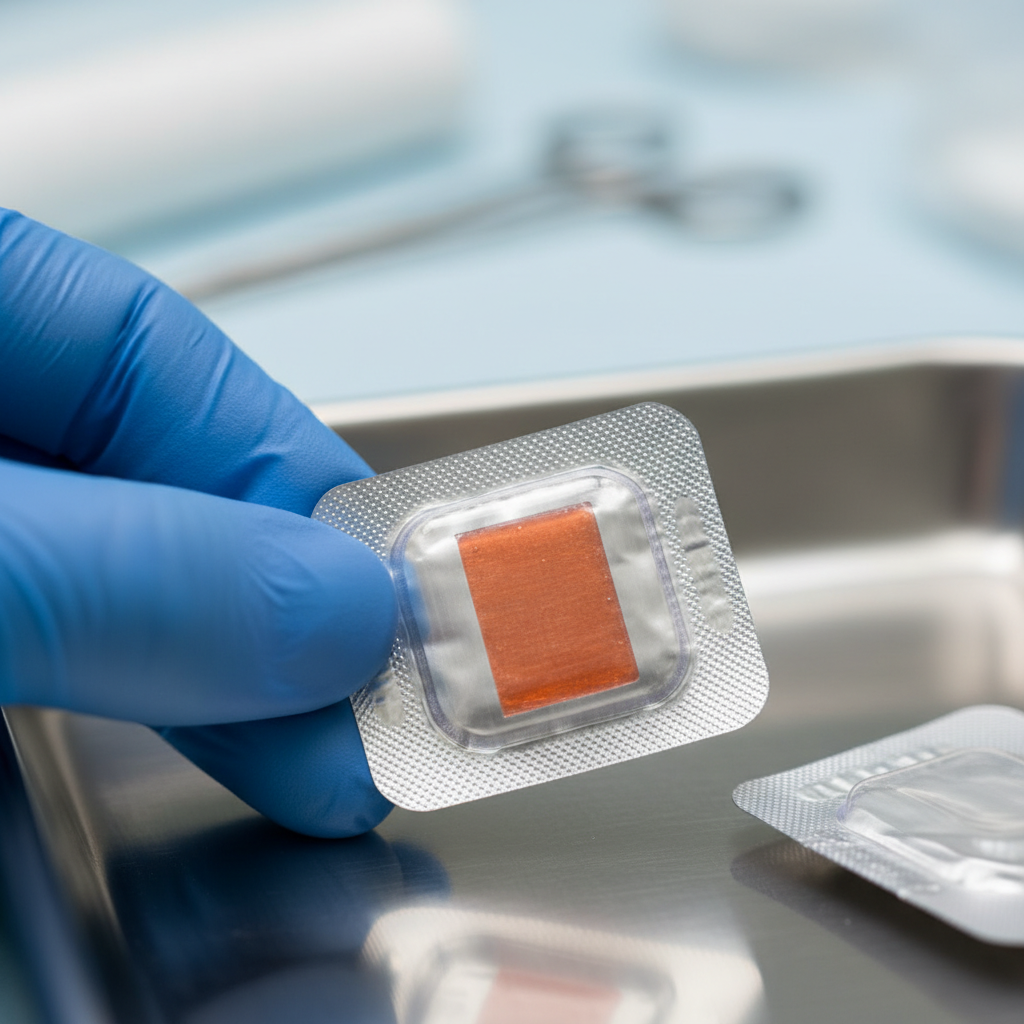
What Is Opioid Use Disorder Recovery?
Recovery is a health journey that reduces harm, restores stability, and supports your goals. It often combines medication, counseling, and practical support.
- Opioid Agonist Therapy (OAT): Evidence-based care using medications like methadone, buprenorphine-naloxone (Suboxone), Sublocade (monthly buprenorphine), or Kadian (slow-release morphine).
- Counseling and skills: Craving management, relapse prevention, and coping strategies.
- Mental health care: Psychiatry referrals for depression, anxiety, PTSD, or ADHD when needed.
- Harm reduction: Tools like naloxone, overdose prevention planning, and, where appropriate, Safer Opioid Supply (SOS).
- Family and social support: Resources for loved ones and connections to community services.
Why this matters: when biology, routine, and mental health are supported together, people are safer and more stable. That’s why Road To Recovery offers multiple medication options under one network—so your care can adapt as your needs change.
Why Recovery Options Matter Right Now
Choosing the right path can be the difference between ongoing instability and steady progress. Here’s why acting now helps:
- Time is protective: The sooner you start OAT, the faster you can reduce withdrawal, cravings, and overdose risk.
- Choice improves fit: Being able to choose between methadone, Suboxone, Sublocade, and Kadian means you’re more likely to find what works for your life and goals.
- Whole-person care: Coordinated psychiatry referrals and mental health support help treat underlying drivers like trauma, anxiety, or depression.
- Judgment-free space: A welcoming clinic lowers stress, which makes it easier to stick with treatment.
- Local access: With clinics across Ontario, travel and scheduling are simpler, which supports consistency.
Bottom line: recovery sticks best when it’s fast to start, simple to maintain, and tailored to you. That’s the model Road To Recovery uses every day.
How Opioid Use Disorder Recovery Works (Step-by-Step)
Here is the typical flow at Road To Recovery, adapted to your needs.
- Reach out confidentially: Initiate intake through our secure online process to share basic history and priorities.
- Nurse triage (same day): A nurse reviews symptoms, safety, and goals, then prepares you for physician assessment.
- Physician visit (same day): You’ll discuss options—methadone, Suboxone, Sublocade, Kadian—and start a plan that fits your situation.
- First doses and monitoring: Begin medication with clear guidance on timing, side effects, and what to expect in the first week.
- Stabilization period: Frequent check-ins adjust dose and address sleep, mood, and cravings.
- Skills and supports: Counseling, recovery planning, and mental health referrals (e.g., CAMH/OTN) as needed.
- Maintenance and goals: Review progress, reduce clinic burden when safe, and plan long-term goals (work, school, parenting).
- Optional transitions: If life changes, you can switch medications (e.g., from methadone to buprenorphine) with a safe, supervised process.
Each step is collaborative—you set the pace. If a dose or schedule isn’t working, your care team helps adjust it.
Types and Methods: Comparing Your Options
These are the core medication-assisted options offered at Road To Recovery clinics across Ontario.
Methadone Program (within OAT)
- What it is: A long-acting opioid agonist taken orally, typically once daily, to prevent withdrawal and cravings.
- Best for: People with high tolerance, previous fentanyl exposure, or those who haven’t stabilized on buprenorphine in the past.
- Why it helps: Smooths out the day, reduces highs and lows, and supports consistent routines (work, parenting, school).
- Clinic example: A patient at our Hamilton location starts methadone after repeated fentanyl exposure; stabilization allows them to return to full-time work with predictable mornings.
- Action tip: Set phone reminders for dosing and appointments; consistency is the key to feeling level.
Suboxone Program (buprenorphine-naloxone)
- What it is: A partial agonist that reduces cravings with a ceiling effect, lowering overdose risk compared to full agonists.
- Best for: People who want flexibility, prefer a lower overdose risk profile, or are transitioning off short-acting opioids.
- Why it helps: Many patients report feeling “clear-headed,” with fewer side effects and strong craving control.
- Clinic example: At Yonge & Dundas (Toronto), a student chooses Suboxone to balance classes and part-time work; after dose stabilization, they shift to less frequent visits.
- Action tip: Start when in mild-to-moderate withdrawal (to avoid precipitated withdrawal) per your clinician’s guidance.
Sublocade (monthly buprenorphine injection)
- What it is: A once-monthly injection that delivers steady buprenorphine levels, minimizing daily dosing decisions.
- Best for: People who want to remove the burden of daily dosing and reduce the chance of missed or diverted doses.
- Why it helps: A monthly rhythm can simplify life, improve adherence, and make travel or shift work easier.
- Clinic example: A Barrie Downtown patient on rotating shifts switches to Sublocade; cravings remain controlled without daily dosing decisions.
- Action tip: Attend monthly appointments on a consistent day to keep the habit strong.
Kadian Program (slow-release morphine)
- What it is: A long-acting morphine option used in select OAT cases where other treatments have not been effective.
- Best for: People who haven’t stabilized on methadone or buprenorphine and need a different pharmacologic profile.
- Why it helps: Offers an alternative trajectory to stabilization with supervised dosing.
- Clinic example: In Brantford, a patient transitions to Kadian after challenges with other medications; the change reduces withdrawal spikes and improves sleep.
- Action tip: Keep a simple journal of sleep, cravings, and mood to guide fine-tuning with your clinician.
Safer Opioid Supply (SOS)
- What it is: A harm reduction approach where, in appropriate contexts, a regulated supply can reduce risks from the unregulated market.
- Best for: People at high risk of overdose or contamination exposure who need a safety bridge while engaging in care.
- Why it helps: Reduces exposure to unpredictable supply and supports stabilization steps toward OAT.
- Clinic example: In Sault Ste. Marie, SOS participation helps a patient reduce unregulated exposure while preparing to start buprenorphine.
- Action tip: Pair SOS with recovery planning and frequent check-ins for best outcomes.
Outpatient Opioid Detoxification and Ongoing Support
- What it is: Gradual, supervised tapering or transition to OAT in an outpatient setting—safer than going it alone.
- Best for: People who want medical oversight and relapse prevention while changing use patterns.
- Why it helps: Avoids the “white-knuckle” approach; your team adjusts as your body adapts.
- Clinic example: In Newmarket, a parent begins a structured taper and adds counseling; with psychiatry referral, mood stabilizes and sleep improves.
- Action tip: Don’t rush—dose adjustments are data, not setbacks.

Best Practices to Stay on Track
Simple habits make a big difference. Add a few at a time.
- Lock in a routine: Tie dosing and check-ins to anchor moments (morning coffee, lunch break).
- Prepare for high-risk times: Keep a cravings plan (call, walk, breathe, distract, delay).
- Use reminders: Calendar alerts for appointments and refill windows.
- Bring your world: Share work shifts, parenting duties, and transport limits—your plan should fit real life.
- Lean on mental health support: Ask about psychiatry referrals via CAMH/OTN if anxiety, depression, or trauma are barriers.
- Practice harm reduction: Carry naloxone, avoid using alone, and discuss safety if you’re not yet abstinent.
- Invite support safely: With your consent, loop in a trusted person who knows your plan and crisis steps.
- Use walk-in care when needed: Select clinics offer medical walk-in services to handle urgent primary care needs that affect recovery.
Tools and Resources You Can Use
These supports help you start and sustain care at Road To Recovery.
- Secure online intake: Start the process confidentially so a nurse can triage and route you to a same-day physician visit.
- Clinic network access: Choose locations in Toronto (St. James Town, Yonge & Dundas), Barrie (Central, Downtown), Brampton, Brantford, Hamilton, Newmarket, Orillia, and Sault Ste. Marie.
- Psychiatry referrals (local or virtual): Coordinated support through partners such as CAMH and OTN to address co-occurring conditions.
- Family resources: Guides and conversations that help loved ones support you without judgment.
- Individual resources: Practical checklists, craving plans, and relapse prevention worksheets.
- Complementary programs: Alcohol and cocaine addiction programs, gambling treatment, smoking cessation, and a men’s health clinic.
Mid-Article Support
Want a confidential plan that meets you where you are? Our team helps you choose between methadone, Suboxone, Sublocade, and Kadian—and gets you started the same day you begin intake.
Case Studies: Real Paths, Real Progress
Names and details are generalized to protect privacy, but the situations are typical of what we see across Ontario.
- Toronto (Yonge & Dundas): A retail worker with irregular shifts struggles with daily dosing. Switching to Sublocade simplifies life; monthly visits fit their schedule and cravings stay controlled.
- Barrie (Central): A parent returning to work after leave chooses methadone due to high tolerance. Within weeks, mornings feel stable; they set reminders and use a cravings plan during stressful times.
- Hamilton: After multiple buprenorphine trials, a patient stabilizes on Kadian with supervised dosing. Sleep improves, and counseling addresses grief-related triggers.
- Sault Ste. Marie: While preparing for OAT, a patient engages with SOS to reduce contact with the unregulated supply. Regular check-ins make the later transition to Suboxone smooth.
- Newmarket: A patient with panic attacks uses coordinated psychiatry referral (virtual) to fine-tune anxiety treatment alongside OAT, leading to better attendance and energy.
Comparison Table: Choosing the Right Option
| Option | Dosing Rhythm | Good Fit For | Highlights | Considerations |
|---|---|---|---|---|
| Methadone | Daily oral | High tolerance; fentanyl exposure | Strong craving control; steady routine | Requires monitoring; titration takes time |
| Suboxone | Daily sublingual | Lower overdose risk preference | Clear-headed feel; flexible maintenance | Start in withdrawal to avoid PW |
| Sublocade | Monthly injection | Shift work; travel; forgetfulness | No daily dosing decisions | Monthly clinic visits required |
| Kadian | Oral, long-acting | When other OAT hasn’t fit | Alternative pharmacologic profile | Supervised dosing; not first-line |
| Safer Opioid Supply | Program-specific | High overdose risk; bridging | Reduces unregulated exposure | Best paired with recovery planning |
Frequently Asked Questions
- How do I choose between methadone and Suboxone?
Both work well. Your history, tolerance, goals, and daily routine guide the choice. If you value a lower overdose risk profile and flexibility, Suboxone can be a strong fit. If you have high tolerance or repeated fentanyl exposure, methadone may stabilize you faster. Your clinician will help you decide safely. - Can I start treatment the same day I reach out?
Yes. Road To Recovery’s intake process is designed for same-day nurse triage and physician assessment for new OAT patients. You’ll review options and begin a plan with clear instructions for the first week. - What if I miss a dose or feel unwell?
Call the clinic as soon as possible. Your team will review your symptoms, safety, and next steps. Don’t double up or change dosing without guidance. - Do you offer virtual mental health support?
We coordinate psychiatry referrals locally or virtually through partners such as CAMH and OTN. This can address anxiety, depression, PTSD, or ADHD that may be affecting recovery. - Is my information confidential?
Yes. Care is provided in a confidential, judgment-free environment. We discuss consent and privacy clearly and tailor support to your comfort level.
Local Tips
- Tip 1: If you’re visiting our Toronto clinics near St. James Town or Yonge & Dundas, plan around downtown traffic and transit peaks to make appointments less stressful.
- Tip 2: Ontario winters can make travel unpredictable. Book morning visits when roads are clearer and set backup reminders in case of delays.
- Tip 3: Bring a simple list of medications, allergies, and past treatments. It speeds up same-day intake and helps your clinician personalize care.
IMPORTANT: These tips support access to Road To Recovery’s outpatient clinics across Ontario and help you make the most of same-day intake.
Key Takeaways
- Act fast: Same-day intake shortens the distance between “ready” and “started.”
- Choose fit: Methadone, Suboxone, Sublocade, Kadian, and SOS cover a range of needs—your plan should reflect your life.
- Support the whole person: Counseling, harm reduction, and psychiatry referrals improve long-term stability.
- Stay practical: Routines, reminders, and a cravings plan make day-to-day success more likely.
Conclusion: Your Next Step Starts Here
Here’s the thing: you don’t have to solve everything today—you just have to start. Road To Recovery built an outpatient pathway that prioritizes speed, privacy, and choice. Whether methadone, Suboxone, Sublocade, Kadian, or a bridge through SOS is right for you, you’ll get a plan anchored in evidence and tailored to your life.
- Begin intake now: Share your goals securely and meet a nurse and physician the same day you start.
- Pick the right option: Decide between methadone, Suboxone, Sublocade, or Kadian with expert guidance.
- Build support: Add counseling, harm reduction tools, and psychiatry referrals as needed.
- Keep momentum: Use routines and reminders to turn early wins into lasting stability.



You are Valued
Road to Recovery is an outpatient opioid detoxification center, with locations across Ontario.
- Confidential care
- Same-day support
- Personalized treatment