
You might be searching for how to start methadone maintenance treatment and feeling unsure about the first move. You’re not alone. The start matters because early structure and support reduce withdrawal, lower relapse risk, and set a steady routine you can keep. At Road To Recovery—an outpatient network across Ontario—we streamline intakes, offer same-day nurse and physician support for new OAT patients, and coordinate pharmacy dosing so you can begin safely without delays.
Quick Summary
- What you’ll learn: prerequisites, step-by-step intake, supervised dosing, pharmacy setup, dose titration, stabilization, and long-term supports.
- Who this helps: anyone pursuing medication-assisted treatment for opioid use disorder (OUD), plus families supporting loved ones.
- Why it works: methadone (as Opioid Agonist Therapy) controls withdrawal and cravings, helping you rebuild work, school, and family routines.
Quick Answer
To begin methadone in Ontario, complete a confidential intake, see a nurse and physician (often the same day), take a supervised first dose, and set up daily pharmacy dosing near your routine. Road To Recovery coordinates each step—intake, dosing, and supports—so you can focus on recovery. This is exactly how to start methadone maintenance treatment, with judgment-free care across our Ontario clinics.
Local Tips
- Tip 1: Pick a clinic close to your daily path—Toronto’s St. James Town or near Yonge & Dundas, Barrie Central/Downtown, Brampton, Hamilton, Newmarket, Orillia, or Sault Ste. Marie—so observed pharmacy dosing fits your commute.
- Tip 2: Plan for winter storms and holiday hours in Ontario. Ask about take-home eligibility criteria and backup dosing plans before cold weather or long weekends.
- Tip 3: If anxiety, depression, or trauma is part of the picture, request psychiatry referral coordination (local or virtual via partners such as CAMH and OTN) at intake to maintain continuity.
IMPORTANT: Align clinic location and pharmacy hours with work, school, or family obligations from day one; it’s a powerful adherence booster.
Introduction
Methadone maintenance is a proven, evidence-based treatment for opioid use disorder. It’s part of Opioid Agonist Therapy (OAT) and helps stabilize withdrawal and cravings so you can rebuild daily life without constant crisis management. If you’re asking how to start methadone maintenance treatment, this guide explains the exact steps our Ontario clinics follow, what to prepare, how dosing works, and what to do when challenges pop up.
- Multiple medication options under one network: Methadone, Suboxone, Sublocade, and Kadian.
- Confidential, judgment-free care and personalized treatment plans.
- Reduced wait times with same-day nurse and physician support for new OAT intakes.
- Mental health and psychiatry referrals coordinated locally or virtually (CAMH and OTN).
- Family and individual resources, with select clinics offering medical walk-in services.
Here’s the thing—structure on day one makes everything easier on day two. Let’s set that up together.
Before You Start (Prerequisites)
A smooth start comes from a little prep. Bring what you need and know what to expect.
Personal readiness checklist
- Photo ID: Bring government-issued identification for medical records and pharmacy setup.
- Medication & allergy list: Include prescriptions, over-the-counter meds, and supplements (helps avoid interactions).
- Substance use history: Note typical daily use, last use time, prior OAT experiences (methadone, Suboxone), and any overdoses.
- Emergency contact: Choose someone who can help if you feel unwell post-dose.
- Preferred pharmacy: Think about a location near home, work, or school; check weekday/weekend hours.
Clinical expectations
- Nurse triage and vitals: We assess withdrawal, review history, and gather safety details.
- Physician assessment: Confirms OUD diagnosis, sets a starting dose, and reviews safety (e.g., other sedating meds).
- First supervised dose: Observed in clinic; early days focus on tolerability and safety.
- Daily pharmacy dosing: Most new patients visit daily at first; take-home carries are earned over time.
- Supportive services: Counseling, mental health referrals, and family resources are available as you stabilize.
Safety considerations
- Overdose prevention: Ask for naloxone and training. Avoid alcohol and sedatives (e.g., benzodiazepines) unless your clinician confirms safety.
- Driving and work: Hold off driving until you know how methadone affects alertness. For work scheduling, ask for documentation only if necessary.
- Secure storage: When you become eligible for take-homes, keep medication locked and away from children and pets.
Step-by-Step Process: How to Start Methadone Maintenance Treatment
Here’s the pathway many patients follow at Road To Recovery clinics across Ontario.
Step 1: Confidential intake
- Start online or walk in: Use the secure intake portal or visit during clinic hours.
- Nurse triage: Review your health history, last use, vitals, and immediate safety needs.
- Same-day physician assessment: In most cases, you’ll see a doctor the same day to confirm OUD diagnosis and outline your plan.
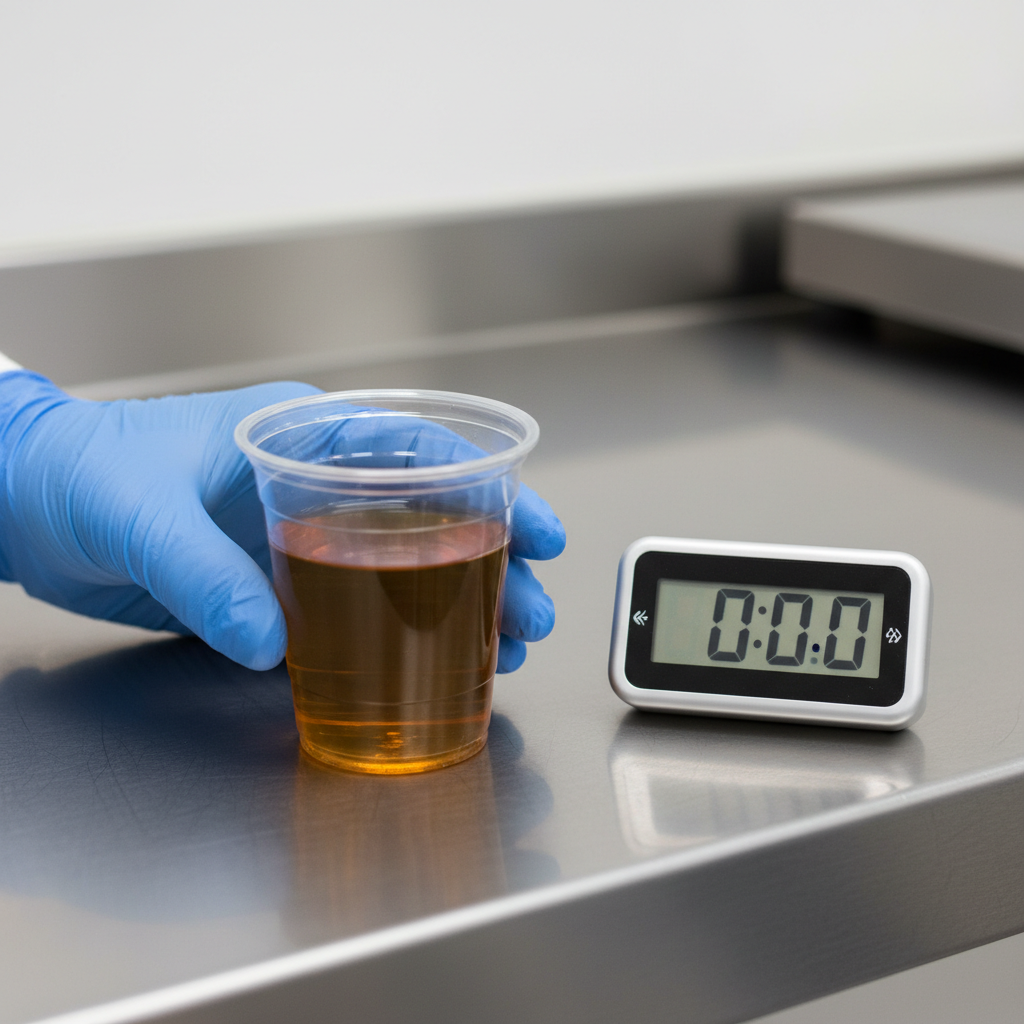
Step 2: Initial dosing and observation
- Start low, go slow: We begin with a conservative dose to minimize side effects.
- Observed dosing: Your first doses are supervised so we can monitor response safely.
- Withdrawal/craving check: We reassess shortly after to inform any adjustments.
Step 3: Pharmacy coordination
- Pick a convenient pharmacy: Near home, work, school, or transit (TTC/GO) to simplify daily visits.
- Confirm hours and holidays: Ask about long weekend hours and winter schedules to prevent missed doses.
- Travel planning: If you’ll be away, request temporary dosing transfers in advance.

Step 4: Dose titration (first 1–3 weeks)
- Gradual increases: We carefully raise the dose until you have all-day control of cravings and withdrawal.
- Frequent check-ins: Report how you feel throughout the day; we’ll fine-tune as needed.
- Side-effect review: Common issues like constipation or drowsiness are manageable—tell us early so we can help.
Step 5: Stabilization and routine
- Predictable days: Consistent dosing supports regular sleep, energy, and mood.
- Earned take-homes: As adherence and stability improve, you may qualify for carries.
- Layer counseling: Skills for stress, sleep, and triggers reinforce the medical benefits.
Step 6: Broader health supports
- Mental health care: Request psychiatry referrals (local or virtual) if anxiety, depression, or trauma symptoms are active.
- Specialized services: Access men’s health or other supports available across the network.
- Family resources: Involve loved ones safely with clear boundaries and education.
Step 7: Long-term plan
- Relapse prevention: Identify triggers, build coping plans, and practice early “course corrections.”
- Transitions: If life changes, we’ll coordinate pharmacy switches, clinic transfers, or shifts to Suboxone, Sublocade, or Kadian if better suited.
- Regular reviews: As your goals evolve, so should your care—dose, supports, and follow-up cadence.
Troubleshooting Common Issues
Speed matters when problems arise. Here’s how to get back on track quickly.
If you miss a dose
- Call promptly: Guidance depends on how many days were missed; never double-dose on your own.
- Check pharmacy hours: Set alarms and review holiday/weekend schedules to prevent repeats.
- Expect adjustments: We might temporarily lower or re-titrate for safety.
If side effects show up
- Constipation: Hydration, fiber, movement; ask about safe medication options.
- Drowsiness: Review dose timing and any other sedating substances.
- Sweats or nausea: Often improve with small dose changes—report early.
If cravings persist
- Flag breakthrough cravings: Your dose may be too low for full coverage.
- Add counseling: Techniques for stress, sleep, and high-risk situations help medication work better.
- Consider alternatives: Suboxone, Sublocade, or Kadian can be good fits depending on your goals and history.
Advanced Tips (Optional)
Personalize your plan to protect momentum.
- Map mornings: Pair dosing with a habit you never skip (coffee, bus stop, school drop-off).
- Travel smart: For trips (e.g., along Highway 400 toward Barrie), request transfers early; keep ID and clinic contact details handy.
- Integrate mental health: Ask about streamlined psychiatry referrals if mood or trauma symptoms affect adherence.
- Plan milestones: Clarify criteria for take-homes so you know exactly what to work toward.
- Use family resources: Share naloxone basics, safe storage, and boundaries to reduce home stress.
- Protect sleep: Prioritize consistent bedtimes; stable sleep amplifies OAT benefits.
- Document triggers: Note people/places/times linked to urges; design specific counter-strategies.
Access and Coverage (Pricing Without Numbers)
People often ask about “pricing.” Specific amounts vary by coverage and dispensing policies, so focus on the access steps you control.
- Clinic assessments: Our outpatient process is streamlined; ask what’s covered under your provincial benefits.
- Pharmacy services: Daily observed dosing is common early on; hours and policies differ by location and holidays.
- Supportive care: Counseling and referrals may be available through the clinic network or community partners.
- Bring documentation: Photo ID and any insurance/benefit cards simplify setup.
Comparison: OAT Options Under One Network
There’s no single “best” OAT—there’s the best fit for your life and goals. Here’s a high-level view to discuss with your clinician.
| Medication | Dosing Pattern | Good Fit When… | Considerations |
|---|---|---|---|
| Methadone | Daily, observed initially | You need steady 24-hour coverage for cravings/withdrawal | Interactions with sedatives; gradual titration; take-homes earned |
| Suboxone (buprenorphine/naloxone) | Daily tablets/films; home dosing after induction | You prefer a partial-agonist safety profile and flexible dosing | Requires mild withdrawal to start; diversion safeguards |
| Sublocade (buprenorphine injection) | Monthly clinic injection | You want “set it and forget it” stability | Requires initial buprenorphine stabilization |
| Kadian (slow-release morphine) | Daily capsules; observed early on | You’ve tried other options or have specific clinical needs | Not first-line; careful monitoring required |
Additional Resources
- Secure online intake: Use the portal to reduce delays and coordinate your first visit.
- Psychiatry referrals: Ask about coordination with partners like CAMH and OTN for local or virtual support.
- Family resources: Get guides and coaching tailored to loved ones’ roles in recovery.
- Children’s Aid Services support: If child protection is part of your situation, our team can help you navigate requirements.
- Medical walk-in (select clinics): Access general medical support that complements your recovery plan.
- Government-issued photo ID
- Medication and allergy list
- Preferred pharmacy and hours (weekday/weekend)
- Transportation plan and a backup contact
- Naloxone kit and basic training
FAQ
How long does methadone maintenance usually last?
It varies widely. Many people stay on methadone for years because it keeps life stable, while others transition to different OAT or taper when ready. Your plan should reflect your goals and safety—not a fixed timeline.
Can I switch from methadone to Suboxone or Sublocade later?
Yes. Transitions happen as circumstances change. Your care team will time the switch, adjust dosing, and monitor symptoms to reduce discomfort and risk.
What if I’m pregnant or planning pregnancy?
Methadone can be appropriate during pregnancy with medical oversight. Discuss prenatal care, delivery planning, and postnatal supports early so everyone is aligned.
Do I need counseling too?
Medication stabilizes withdrawal and cravings; counseling builds coping skills for triggers, stress, and sleep. Most people do best with both over time.
How quickly can I start?
Often the same day. After intake and assessment, many patients receive an initial supervised dose and pharmacy coordination right away, which helps reduce withdrawal and relapse risk.
Key Takeaways
- Starting strong is simple: confidential intake, same-day nurse and physician support, and a supervised first dose.
- Early daily pharmacy visits and gradual dose titration build stability that you can feel.
- Psychiatry referrals, counseling, and family resources help you sustain progress.
- Plan for holidays, weather, and take-home criteria early to avoid gaps.
- If methadone isn’t the right fit, Suboxone, Sublocade, or Kadian are available within the same network.
Conclusion
Knowing how to start methadone maintenance treatment turns a big decision into a clear set of steps: complete intake, receive a supervised first dose, coordinate daily pharmacy visits, and fine-tune your dose while adding counseling and mental health supports. Choose a clinic on your route, prepare your documents, and plan around holidays or travel. Recovery isn’t about speed—it’s about building a routine that holds, and our Ontario network is here to help you do exactly that.
Recent Post
-
 October 23, 2026
Cocaine Outpatient Treatment Outcomes: What Progress Really Looks...
-
 October 20, 2026
Family Resources for Addiction Recovery in Hamilton: Practical...
-
 October 19, 2026
How to Choose an Opioid Agonist Therapy Clinic...
-
 October 18, 2026
Kadian for Opioid Use Disorder: How Treatment Works...

You are Valued
Road to Recovery is an outpatient opioid detoxification center, with locations across Ontario.
- Confidential care
- Same-day support
- Personalized treatment