
You don’t have to white-knuckle recovery alone. Recovery counseling ongoing support is the bridge between a strong start and lasting stability—especially when medication-assisted treatment (MAT) and mental health care work together. At Road To Recovery’s outpatient clinics across Ontario, we pair evidence-based opioid care (Methadone, Suboxone, Sublocade, Kadian) with practical counseling, relapse prevention, and family resources so you can move forward with confidence—day by day, week by week.
Quick Answer
Road To Recovery provides recovery counseling and ongoing support across Ontario—combining opioid agonist therapy, individual and group counseling, and psychiatry referrals—to help you stabilize and stay well. Same-day intake and reduced wait times mean you can start support fast and keep momentum.
At a Glance
- Who this helps: People across Ontario starting or maintaining treatment for opioid, alcohol, or cocaine addiction, plus families seeking guidance.
- What you’ll get here: A complete guide to counseling methods, follow-ups for Methadone/Suboxone/Sublocade/Kadian, relapse prevention, and mental health support.
- Why it matters: Consistent counseling and structured follow-up cut relapse risk and improve quality of life, especially alongside OAT.
- Road To Recovery difference: Same-day intake for new OAT patients (nurse then physician), confidential and judgment-free care, psychiatry referrals (local or virtual), and multi-location access across Ontario.
Table of Contents
- What Is Recovery Counseling and Ongoing Support?
- Why Ongoing Support Matters
- How It Works at Road To Recovery
- Types and Approaches
- Best Practices You Can Use
- Tools and Resources
- Mini Case Studies
- FAQ
- Conclusion + Key Takeaways
What Is Recovery Counseling and Ongoing Support?
Recovery is not a one-time event; it’s a process. Counseling and ongoing support create structure, connection, and accountability after detox or stabilization so progress keeps compounding.
Core elements you can expect
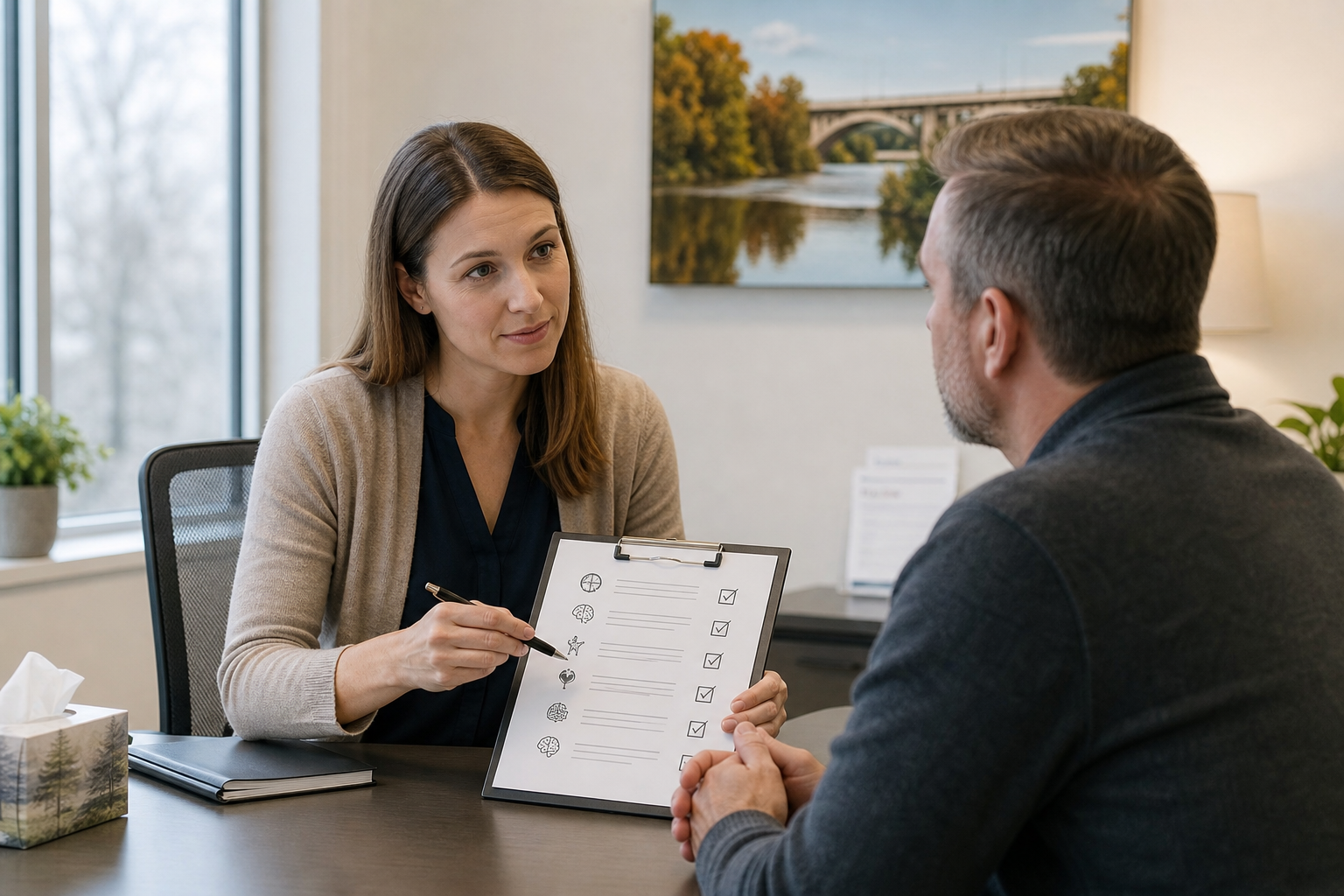
- Individual counseling: Short, focused sessions to set goals, track triggers, and practice coping skills tailored to your stage of change.
- Group counseling: Peer connection, shared strategies, and mutual accountability that normalize setbacks and celebrate small wins.
- Medication follow-ups (OAT/MAT): Regular touchpoints to calibrate Methadone, Suboxone, Sublocade, or Kadian with your clinician, aligned with counseling goals.
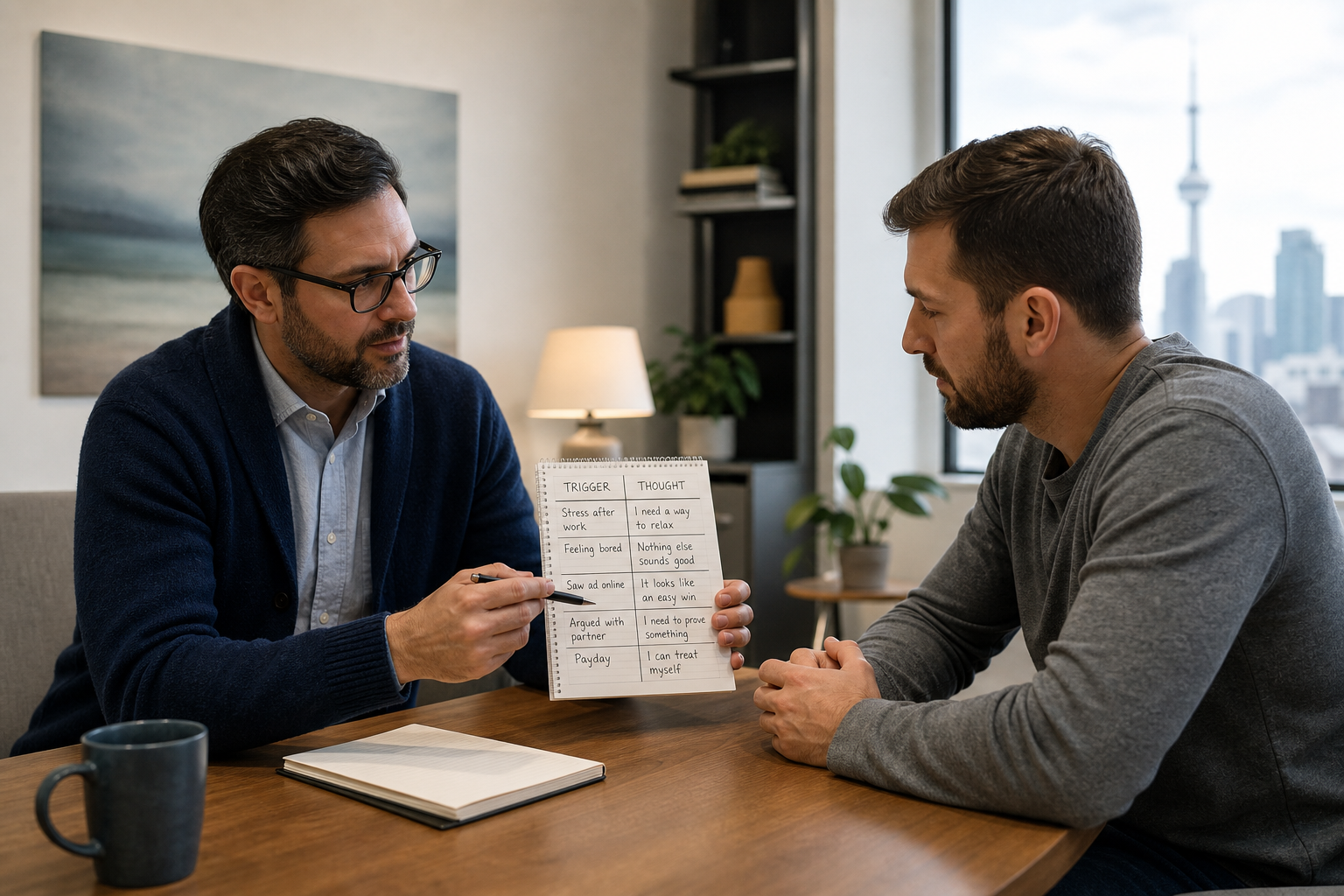
- Relapse prevention planning: Personalized playbooks covering high-risk situations, emergency contacts, and concrete next steps if cravings spike.
- Mental health integration: Screening and referral pathways for anxiety, depression, trauma, and ADHD—because co-occurring challenges deserve coordinated care.
- Family resources: Education and boundaries work to support healing at home without enabling harmful patterns.
Why this definition matters
- Clarity reduces stress: Knowing what “ongoing support” includes makes it easier to commit and plan your week.
- Consistency beats intensity: A steady rhythm of brief check-ins often outperforms sporadic, longer sessions.
- Coordination drives results: Aligning counseling with OAT/MAT fine-tunes both—fewer gaps, smoother progress.
Bottom line: Recovery counseling ongoing support keeps your plan alive between appointments, so you’re not relying on willpower alone.
Why Ongoing Support Matters
Here’s the thing—stress, sleep changes, and social pressure don’t pause when treatment starts. Ongoing support catches issues early and builds durable habits.
What most people don’t realize
- Cravings are cyclical: They come in waves. Brief, frequent contact helps you surf them rather than get pulled under.
- Relapse is a pattern, not a moment: It starts with small decisions—skipping meals, isolating, ignoring sleep—that counseling can flag sooner.
- Mental health shifts the odds: Untreated anxiety or trauma can spike relapse risk; integrated support lowers that risk.
Benefits you can feel
- Faster stabilization on OAT/MAT: Doses calibrate better when you report real-life wins and hurdles in counseling.
- Stronger coping under pressure: You’ll build a toolbox for cravings, conflict, and tough days at work or home.
- Healthier relationships: Family guidance improves communication and rebuilds trust over time.
- More confidence: Routine check-ins create momentum and a feedback loop—progress breeds progress.
opiod agonist therapy guide and our
MAT benefits overview.
How It Works at Road To Recovery
We organize care around access, evidence, and compassion—so you can start quickly and keep support consistent.

Step-by-step flow (what to expect)
- Same-day intake for OAT/MAT: New patients are seen by a nurse and then a physician on the same day you start—reducing delays and stabilizing sooner.
- Personalized plan: We align medication (Methadone, Suboxone, Sublocade, Kadian) with counseling frequency, goals, and relapse prevention steps.
- Weekly–biweekly counseling rhythm: Short, focused sessions keep momentum; intensity can flex up or down as life changes.
- Psychiatry referral (local or virtual): When helpful, we coordinate with partners like CAMH and OTN so mental health support fits your schedule.
- Family resources: We provide education, boundaries coaching, and ways to support without enabling.
- Walk-in continuity (select clinics): For urgent concerns, select locations offer medical walk-in services to bridge gaps.
Communication that reduces friction
- Clear follow-up cadences: You’ll know when to check in for medication adjustments and counseling touchpoints.
- Secure intake portal: Start online so your first visit focuses on care, not paperwork.
- Judgment-free space: We meet you where you’re at—progress over perfection, always.
Prefer to compare pathways? Explore options in our
opioid recovery paths explainer for a plain-language overview.
Safer Opioid Supply overview.
Types and Approaches
Support should match your goals, schedule, and medical needs. Here are the building blocks we tailor for each person.
Counseling formats
- Individual counseling: One-on-one sessions to target triggers, practice grounding skills, and reframe setbacks.
- Group counseling: Peer support, skills rehearsal, and recovery community building.
- Family sessions: Boundary-setting, communication resets, and aligned expectations.
Medication-assisted care (OAT/MAT)
- Methadone: Daily dosing early on, taper possibilities when appropriate—paired with counseling for lifestyle and habit change.
- Suboxone: Buprenorphine-naloxone with flexible follow-ups; counseling addresses triggers and routines.
- Sublocade: Monthly buprenorphine injection that reduces daily decision points; counseling uses the stability window to build skills.
- Kadian: Extended-release oral morphine option within OAT; careful monitoring plus counseling to support structure.
Relapse prevention toolkit
- Trigger mapping: People, places, and patterns ranked by risk with proactive alternatives.
- Early warning signs: Sleep shifts, skipped meals, isolation, and negative self-talk flagged in advance.
- Action scripts: Who you’ll text, where you’ll go, and what you’ll practice when cravings surge.
- Aftercare guardrails: Scheduling, medication pick-up routines, and cues that reinforce healthy defaults.
Telehealth and flexible access
- Virtual counseling: Secure video sessions reduce travel time and keep care consistent through busy weeks.
- Local referrals: Psychiatry and mental health services can be arranged locally or virtually so support follows you—not the other way around.
- Multi-location network: Clinics across Ontario (Toronto, Barrie, Brampton, Brantford, Hamilton, Newmarket, Orillia, Sault Ste. Marie) improve continuity when life moves.

Best Practices You Can Use
Use these practical moves to make counseling and ongoing support stick.
Build a reliable rhythm
- Block recurring appointments: Same day and time reduces decision fatigue.
- Pair sessions with routines: Tie counseling to an existing habit (e.g., gym, groceries) to reinforce consistency.
- Plan for disruption: Bookmark a virtual option so illness, weather, or travel never cancel support.
Make counseling actionable
- Set 1–2 weekly targets: Too many goals dilute effort; small wins compound faster.
- Use a craving scale: Rate urges 0–10 daily to spot patterns and review in-session.
- Practice between sessions: 5-minute drills (breathing, grounding, urge-surfing) turn knowledge into reflex.
Strengthen your environment
- Visual cues: Notes on the fridge, phone reminders, or a bracelet that anchors you to coping steps.
- Social guardrails: Rotate venues, invite a support buddy, or leave early—pre-decisions beat in-the-moment willpower.
- Medication routines: Pair dosing with a daily anchor (breakfast) and a backup alarm.
Coordinate care
- Share signals: Let your counselor and OAT clinician know about sleep, appetite, and stress changes.
- Use family as allies: Ask loved ones to mirror language from your plan (e.g., “Do you want a 5-minute reset?”).
- Leverage referrals: If mood or trauma symptoms rise, a psychiatry referral can accelerate progress.
Have a fallback plan
- One-call list: Keep emergency contacts and local clinic hours saved in your phone.
- Relapse script: If a slip happens, notify your team, schedule an urgent check-in, and restart your day plan. No shame—just action.
- Return-to-basics week: Sleep, meals, hydration, and three micro-wins reset momentum.
Tools and Resources
Your plan works best with simple, reliable tools.
Clinic-based supports
- Secure online intake portal: Start paperwork early to focus your first visit on care.
- Medication follow-up schedules: Clear calendars for Methadone, Suboxone, Sublocade, or Kadian adjustments.
- Walk-in access (select sites): Bridge urgent gaps without waiting for a future appointment.
Self-management tools
- Daily craving log: Track situation, rating, and response to discuss in counseling.
- Skill cards: Short prompts for breathing, grounding, urge surfing, values check-in.
- Support circle map: Visual list of who to call for rides, talks, or safe company.
Education and family resources
- Plain-language handouts: Explain OAT/MAT, side effects to watch, and what to do if routines get disrupted.
- Family guides: Scripts for supportive talk, boundaries, and relapse response.
- Community connections: Local and virtual psychiatry referrals coordinated so you don’t have to start from scratch.
Mini Case Studies
Names and details are blended to protect privacy, but the patterns are real and common across our Ontario clinics.
- “A.” – Stabilizing with Suboxone: After repeated withdrawal cycles, A. began Suboxone with same-day nurse and physician support. Weekly counseling focused on sleep and meal anchors plus a craving log. Within four weeks, dosing stabilized and A. returned to part-time work while practicing two 5-minute skills daily.
- “J.” – Using Sublocade for structure: J. struggled with daily decision fatigue. Switching to monthly Sublocade reduced morning stress. Counseling used that stability to rebuild routines—Sunday planning, weekday check-ins, and family boundary scripts. Craving spikes dropped after mapping triggers and rehearsing “exit lines.”
- “M.” – Methadone with trauma support: M. started Methadone and flagged trauma symptoms during intake. We arranged a psychiatry referral and aligned counseling on grounding skills and sleep hygiene. After a brief slip, M. activated the relapse script the same day and regained footing with an extra check-in.
- “R.” – Kadian with work travel: R.’s job required frequent trips. Kadian follow-ups plus virtual counseling kept care continuous. A packing checklist, local pharmacy planning, and time-zone alarms made adherence realistic. R. maintained sobriety through a high-pressure season.
- “T.” – Family support as leverage: T.’s partner joined select sessions to align on boundaries and encouragement. Home conflict de-escalated, and T. used the “call, walk, breathe” script during tough nights. Small wins built trust on both sides.
Your Recovery Process at a Glance
| Phase | What Happens | Road To Recovery Focus |
|---|---|---|
| Stabilize | Same-day intake, OAT/MAT start, first counseling check-in | Nurse + physician same-day, judgment-free care, safety planning |
| Strengthen | Weekly goals, relapse plan, dose calibration | Short, focused counseling + medication alignment |
| Sustain | Biweekly or monthly touchpoints, skills refresh, family support | Referrals as needed (local/virtual), flexible cadence |
| Scale Life Up | Work, school, community roles expand; relapse plan stays active | Check-ins around life milestones, proactive tune-ups |
Local Tips
- Tip 1: If you commute through downtown Toronto (Yonge & Dundas or St. James Town), book sessions near your route to reduce missed visits and anchor routines.
- Tip 2: Winter weather can disrupt travel in Barrie, Newmarket, and Orillia—line up a virtual counseling option so support never goes on pause.
- Tip 3: For shift workers in Hamilton and Brampton, set recurring reminders for medication pick-ups and choose clinic times that mirror your off-days.
IMPORTANT: Consistency beats intensity—choose the easiest path you can repeat every week.
FAQ
-
How does counseling integrate with Methadone, Suboxone, Sublocade, or Kadian?
Counseling gives you a place to track triggers, cravings, sleep, and stress so your clinician can calibrate OAT/MAT more precisely. You’ll align session goals to everyday routines, practice coping skills, and keep a relapse plan current so medication and behavior change reinforce each other.
-
What if I miss a session or slip?
Contact the clinic as soon as possible. We’ll schedule a quick check-in, review your relapse script, and decide on short-term adjustments. The goal is rapid stabilization without shame—then back to your regular rhythm with practical supports in place.
-
Can I get mental health support, too?
Yes. We screen for co-occurring concerns and coordinate psychiatry referrals locally or virtually (through partners such as CAMH and OTN). Aligning counseling with mental health care reduces relapse risk and improves day-to-day functioning.
-
Is group counseling required?
Not necessarily. Many people benefit from group connection, but plans are personalized. If you prefer one-on-one counseling or need to start virtually, we’ll match the format to your comfort and schedule.
-
How soon can I start?
For new OAT intakes, Road To Recovery offers same-day nurse and physician support. Intake begins through a secure online portal, so you can start stabilization and counseling quickly and keep momentum from day one.
Conclusion + Key Takeaways
Long-term recovery is built on steady, human support—not heroic willpower. A practical plan that blends medication, counseling, and mental health resources can make life feel manageable again.
Key Takeaways
- Consistency wins: Short, frequent touchpoints create momentum and prevent small problems from snowballing.
- Coordination matters: Aligning counseling with OAT/MAT improves stability and confidence.
- Flexibility keeps you engaged: Mix in virtual sessions and family resources to match real life.
- Preparation beats panic: A written relapse plan and one-call list reduce fear and speed recovery after setbacks.
Ready to take the next step? Road To Recovery offers confidential, judgment-free care across Ontario with same-day intake for new OAT patients, psychiatry referral options, and ongoing counseling to help you sustain change. Let’s build a plan you can actually live with.



You are Valued
Road to Recovery is an outpatient opioid detoxification center, with locations across Ontario.
- Confidential care
- Same-day support
- Personalized treatment