
Recovery health care is a coordinated set of medical, behavioral, and support services that stabilize withdrawal, reduce relapse risk, and rebuild daily functioning. It blends medication-assisted treatment, counseling, and practical supports so you can start safely, stick with care, and regain control—often beginning the same day you reach out.
By Road To Recovery • Last updated: April 16, 2026
- What you’ll learn: exact meaning of recovery health care, how same-day intakes work, which treatments fit which goals, and what to expect week by week.
- Who this is for: people in Ontario seeking judgment-free, outpatient help for opioids, alcohol, cocaine, gambling, or smoking—and families who want clear answers.
- Why trust this guide: it reflects Road To Recovery’s evidence-based programs (Methadone, Suboxone, Sublocade, Kadian), mental health referrals, and real intake flow used across Ontario clinics.
At a Glance
Recovery health care organizes medical treatment, counseling, and practical supports into one plan. In Ontario, Road To Recovery coordinates same-day intake for opioid use disorder, evidence-based medications, mental health referrals, and ongoing guidance so patients can stabilize quickly and build long-term recovery routines.
- Fast start: same-day nurse triage and physician assessment for new opioid agonist therapy (OAT) intakes.
- Proven medications: Methadone, Suboxone (buprenorphine/naloxone), Sublocade (buprenorphine injection), and Kadian (slow-release morphine) when clinically appropriate.
- Whole-person support: alcohol and cocaine programs, smoking cessation, gambling support, and coordinated psychiatry referrals via local or virtual partners (CAMH, OTN).
- Judgment-free care: private, respectful, and tailored to your goals—whether you’re focusing on harm reduction, full abstinence, or stopping alcohol for good.
Quick Answer
Recovery health care combines medication, counseling, and support services into one coordinated plan. Across Ontario, Road To Recovery offers same-day opioid intakes, evidence-based medications, and psychiatry referrals so you can stabilize fast and keep momentum—without judgment or long waits.
Local Tips
- Tip 1: If you’re traveling to downtown Toronto clinics near St. James Town or Yonge & Dundas, plan for transit timing during rush hours to make dosing windows stress-free.
- Tip 2: Winter weather can affect travel in Barrie, Orillia, and Sault Ste. Marie—book earlier visits or arrange virtual check-ins when available.
- Tip 3: For Hamilton, Brampton, and Newmarket, ask about coordination with local pharmacies to streamline daily routines and reduce back-and-forth trips.
IMPORTANT: Speak with your clinic team about location-specific hours and whether virtual follow-ups fit your schedule.
- Table of contents:
- What Is Recovery Health Care?
- Why Recovery Health Care Matters
- How Recovery Health Care Works
- Types, Methods, and Approaches
- Best Practices That Keep You Moving
- Tools and Resources
- Case Studies and Examples
- FAQ
- Conclusion & Key Takeaways
What Is Recovery Health Care?
Recovery health care is coordinated, ongoing care that addresses substance use, mental health, and daily functioning. It blends medication-assisted treatment with counseling, harm reduction, and practical supports so people can stabilize quickly and sustain progress—without sacrificing privacy or flexibility.
- Core definition: a comprehensive, person-centered model that treats the medical, psychological, and social parts of addiction together.
- Key elements:
- Medication-assisted treatment (MAT): Methadone, Suboxone, Sublocade, or Kadian to reduce cravings and withdrawal.
- Counseling and recovery coaching: skills for triggers, routines, relationships, and work or school balance.
- Mental health integration: screening and referrals for anxiety, depression, trauma, and ADHD support.
- Harm reduction: safety planning, overdose prevention, and pharmacy coordination.
- Why it’s different:
- Same-day starts: for opioid treatment, Road To Recovery triages you with a nurse and then a physician on the same day you begin.
- Multiple options: one network offering Methadone, Suboxone, Sublocade, and Kadian—so care adapts as life changes.
- Confidential and judgment-free: respectful care across Ontario locations with flexible follow-up.
Self-contained answer unit: Recovery health care means your medical treatment, counseling, and supports live under one plan—so you don’t chase separate appointments. At Road To Recovery, this includes OAT medications, counseling, mental health referrals, and routines that fit real life in Toronto, Barrie, Brampton, Hamilton, and beyond.
Why Recovery Health Care Matters
It shortens the gap between asking for help and feeling better. By reducing wait times, coordinating medications, and linking mental health care, recovery health care raises retention and safety—giving people and families a clear, structured path to stability.
- Faster stabilization: same-day intake reduces the risk window between withdrawal, cravings, and first dose.
- Retention improves outcomes: people who stay connected to medication and counseling maintain progress more reliably than those without coordinated care.
- Family clarity: structured plans help loved ones support without guesswork, especially when the goal is to stop alcohol or reduce drug-related harm.
- Continuity across life events: plans flex with schedule changes, travel, housing moves, or new jobs.
Self-contained answer unit: Recovery health care matters because it reduces dangerous delays and guesswork. You get a predictable path—assessment, first dose, safety planning, counseling, and follow-up—so progress depends less on luck and more on a system designed to keep you engaged.
How Recovery Health Care Works
The process is simple: reach out, complete a same-day nurse triage, meet the physician, and begin a tailored plan. From there, medication dosing, counseling, and check-ins are scheduled to stabilize symptoms, strengthen routines, and protect long-term goals.
- Secure intake: start through our online portal or by calling a local clinic in Toronto, Barrie, Brampton, Hamilton, Newmarket, Orillia, or Sault Ste. Marie.
- Same-day triage: a nurse screens safety, withdrawal, medication history, and preferences.
- Physician assessment: confirm diagnosis, discuss options (Methadone, Suboxone, Sublocade, Kadian), and set goals.
- First dose and safety plan: coordinate pharmacy, dosing windows, and overdose prevention steps.
- Follow-up cadence: regular visits, counseling, and lab checks tailored to symptoms and progress.
Want the nuts and bolts of our intake flow? See how our same-day addiction intake process works to understand each step before you arrive.
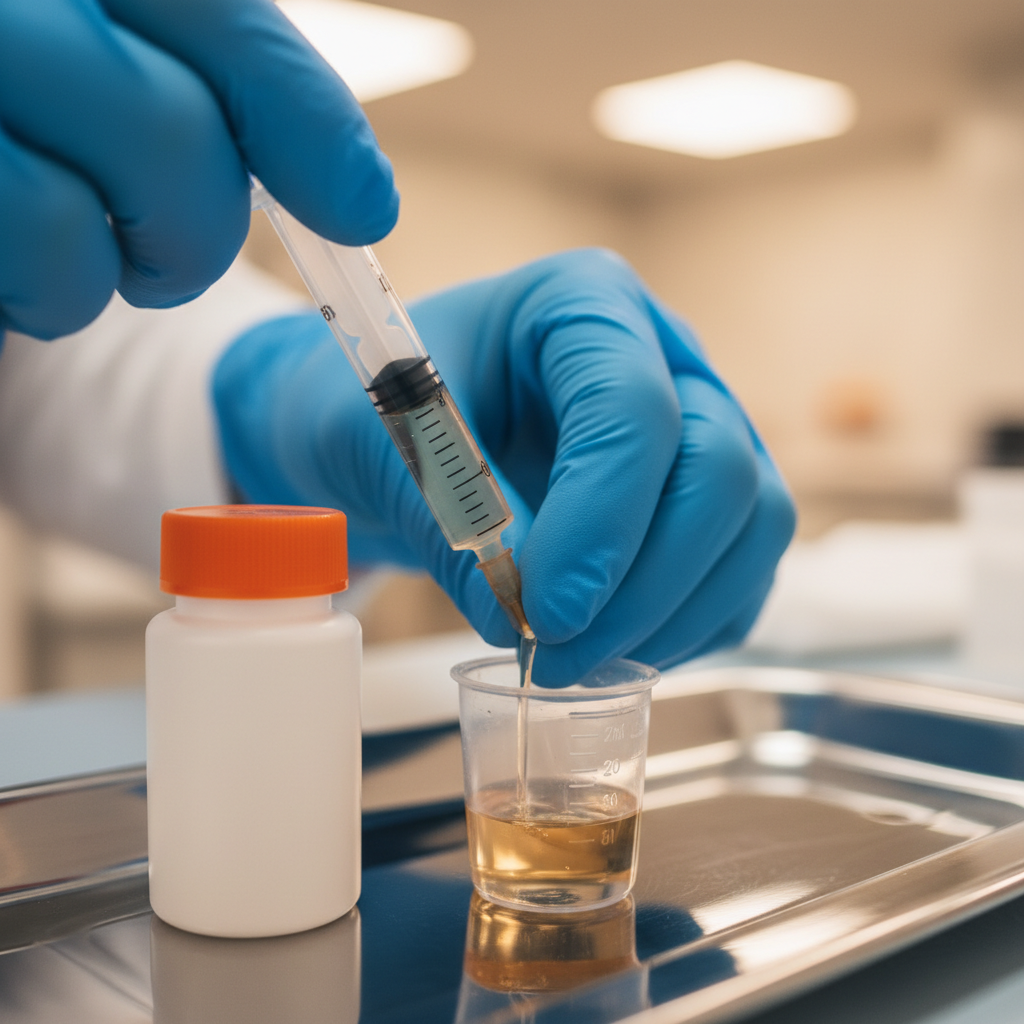
- Medication fit-by-life:
- Methadone: daily observed dosing early on; helpful for heavy or long-term opioid use.
- Suboxone: partial-agonist with ceiling effect; flexible dosing and strong safety profile.
- Sublocade: monthly injection; reduces day-to-day decision fatigue.
- Kadian: long-acting morphine; considered when others aren’t ideal and clinically appropriate.
- Beyond opioids: coordinated care for alcohol, cocaine, smoking cessation, and gambling—with mental health screening and referrals when needed.
Self-contained answer unit: You begin with a same-day nurse screen and physician visit, choose a medication path aligned with your goals, and lock in follow-ups that protect momentum. The routine becomes simpler every week as cravings and withdrawal settle.
Types, Methods, and Approaches
Effective recovery health care offers multiple evidence-based paths. Road To Recovery supports Methadone, Suboxone, Sublocade, and Kadian for opioids; plus programs for alcohol, cocaine, smoking, and gambling—so care aligns with your goals, risk level, and lifestyle.
Medication-Assisted Treatment (OAT/MAT)
- Methadone: full opioid agonist; reduces withdrawal and stabilizes daily function.
- Suboxone (buprenorphine/naloxone): partial agonist; strong safety profile and flexible dosing.
- Sublocade: monthly injection of buprenorphine; helpful when daily dosing is tough.
- Kadian: slow-release morphine; considered in specific clinical contexts.
- Safer Opioid Supply (SOS): harm reduction approach coordinating safer prescriptions and monitoring. Learn more in our overview of safer opioid supply harm reduction.
Behavioral Health and Mental Health Integration
- Dual diagnosis care: screening and referrals for depression, anxiety, PTSD, or ADHD that can fuel relapse. See our guide to dual diagnosis mental health addiction treatment.
- Recovery counseling: coping skills, trigger mapping, relationship repair, and routines that stick.
- Psychiatry referrals: coordinated locally or virtually with partners (e.g., CAMH and OTN) when needed.
Other Programs that Matter
- Alcohol program: structured plans focused on stopping alcohol, withdrawal safety, and relapse prevention.
- Cocaine program: cravings management, sleep repair, and behavioral supports.
- Smoking cessation: stepwise tapering and medication options.
- Gambling support: budgeting safeguards, blocking tools, and therapy referrals.
| Approach | Typical Dosing | Best When | Consider If |
|---|---|---|---|
| Methadone | Daily (often observed early) | Long-term or heavy opioid use | You prefer structure and steady relief |
| Suboxone | Daily, flexible | Safety profile and autonomy matter | You want fewer side effects and flexibility |
| Sublocade | Monthly injection | Daily dosing is difficult | You travel or have variable routines |
| Kadian | Scheduled, long-acting | Other options aren’t ideal | Clinically appropriate after review |
Self-contained answer unit: There isn’t one “best” path—there’s a best fit for your health, goals, and schedule. Recovery health care keeps options open and adapts as your life evolves.
Best Practices That Keep You Moving
Follow a routine, combine medication with counseling, and keep appointments short and predictable. Coordinate pharmacy logistics, lean on mental health support, and track small wins weekly. These habits protect momentum and reduce relapse risk.
- Pair medication with counseling: outcomes are stronger when skills training complements MAT. See our medication-assisted treatment benefits explained.
- Make logistics easy: set reminders, align pharmacy hours with work, and pre-plan transit—especially in busy areas like Yonge & Dundas.
- Use mental health referrals: when anxiety or trauma spikes, ask for coordinated psychiatry referrals (local or virtual).
- Plan for high-risk windows: birthdays, holidays, paydays, or stressful anniversaries—arrange extra check-ins ahead of time.
- Lean on harm reduction: if abstinence isn’t immediate, safety plans and safer opioid supply strategies lower risk while progress builds.
- Protect sleep and nutrition: consistent rest and simple meals reduce cravings and reactivity.
- Track small wins: 7-day streaks, on-time doses, or handling a trigger without using—celebrate progress.
Self-contained answer unit: Best practices mean shrinking friction. Automate reminders, stack appointments, and coordinate pharmacy pickups. When life gets chaotic, you still have a plan that works.
Free 10-Point Recovery Routine Checklist
- Daily dosing reminder set
- Weekly counseling time blocked
- Pharmacy hours saved to phone
- Transit plan for weather/rush hours
- Emergency contact list updated
- Sleep target chosen (and tracked)
- Simple meal plan (3 go-to options)
- Trigger list + coping scripts
- Weekend support touchpoint booked
- One small celebration each week
Tools and Resources
Use streamlined tools to reduce friction: a secure intake portal, coordinated pharmacy logistics, counseling options, and mental health referrals. The right tools make it easy to start today and keep going tomorrow.
- Secure online intake: start from home; scheduling aims for same-day nurse triage and physician assessment for OAT.
- Coordinated pharmacy support: dosing windows that match your commute and work hours.
- Flexible follow-ups: local visits across Ontario plus virtual options where appropriate.
- Recovery counseling: one-to-one support for routines, boundaries, and relapse prevention. See our primer on recovery counseling and ongoing support.
- Mental health and psychiatry referrals: coordinated locally or virtually with partners (e.g., CAMH and OTN) when indicated.
- Family resources: clear education so loved ones can support without enabling.

Self-contained answer unit: Tools remove roadblocks. When intake is easy and follow-ups fit your life, recovery becomes a daily rhythm—not a daily struggle.
Case Studies and Examples
Real recovery is practical. These brief scenarios show how different medications and supports fit real-life goals across Ontario—without sharing any personal identifiers.
- Toronto (Yonge & Dundas) — Young adult using fentanyl:
- Challenge: intense, fast-rising withdrawal made daily life unpredictable.
- Plan: same-day Suboxone induction, counseling twice weekly, transit-friendly dosing windows.
- Result: stabilized routine and fewer crises; later transitioned to monthly Sublocade to simplify mornings.
- Barrie (Downtown) — Parent juggling shift work:
- Challenge: inconsistent sleep and childcare made appointments hard to keep.
- Plan: Methadone with morning dosing, weekend counseling slot, family education tools.
- Result: steadier energy and fewer missed shifts; gradual move to take-home doses as stability grew.
- Hamilton — Trades professional with pain history:
- Challenge: previous injuries, breakthrough cravings during high-stress weeks.
- Plan: Kadian considered clinically with close monitoring, coping strategies for job-site stress, mental health screening.
- Result: improved focus at work and adherence to routine; counseling addressed pain-stress loops.
- Sault Ste. Marie — Remote schedule and weather barriers:
- Challenge: winter travel disrupted in-person visits.
- Plan: flexible follow-ups, pharmacy coordination, and virtual check-ins during storms.
- Result: continuity through the season; fewer missed doses and more confidence traveling.
Self-contained answer unit: Each plan is personalized. The right mix of medication, counseling, logistics, and mental health support keeps you moving—despite work, weather, or life changes.
FAQ
These short answers address the most common questions people ask as they consider starting recovery health care in Ontario.
How fast can I start?
For opioid treatment, Road To Recovery coordinates a same-day nurse triage and physician assessment so you can begin quickly. Non-opioid programs also aim for fast access, with scheduling based on clinical safety and availability.
Which medication is best—Methadone, Suboxone, Sublocade, or Kadian?
There’s no one-size-fits-all answer. Choice depends on your history, goals, and daily routine. Your physician will review benefits and safety for each option and recommend a starting path that can change as life changes.
Can I work or study while in treatment?
Yes. Recovery health care is designed for real life. Dosing windows, pharmacy coordination, and brief check-ins make it possible to work, study, and parent while staying connected to care.
What if I’m focused on stopping alcohol?
The alcohol program emphasizes withdrawal safety, medication options where appropriate, and relapse prevention skills. The same recovery principles apply: make starts easy, shrink friction, and build weekly wins.
How does mental health support fit in?
Many people have anxiety, depression, or trauma alongside substance use. We screen and, when indicated, coordinate psychiatry referrals locally or virtually through partners so your plan treats everything together.
Conclusion & Key Takeaways
Recovery health care works when it’s fast to start, flexible to live with, and strong on follow-through. With same-day intakes, multiple medication options, counseling, and mental health referrals, you can stabilize now and keep momentum for the long term.
- Key Takeaways
- Recovery health care = medication + counseling + practical supports under one plan.
- Same-day OAT intake reduces risk and speeds stabilization.
- Fit the medication to your life: Methadone, Suboxone, Sublocade, or Kadian.
- Harm reduction and mental health support keep progress steady.
- Small weekly wins add up—make routines simple and sustainable.
Talk With a Clinician Today
No pressure, no judgment. Tell us what’s happening and where you want to be. We’ll map your first week, coordinate pharmacy, and book your next steps—so recovery starts feeling real right away.
Recent Post
-
 October 23, 2026
Cocaine Outpatient Treatment Outcomes: What Progress Really Looks...
-
 October 20, 2026
Family Resources for Addiction Recovery in Hamilton: Practical...
-
 October 19, 2026
How to Choose an Opioid Agonist Therapy Clinic...
-
 October 18, 2026
Kadian for Opioid Use Disorder: How Treatment Works...

You are Valued
Road to Recovery is an outpatient opioid detoxification center, with locations across Ontario.
- Confidential care
- Same-day support
- Personalized treatment