
An emergency methadone clinic is a service that provides rapid, same-day assessment and supervised methadone initiation or bridge dosing to control opioid withdrawal and reduce overdose risk. In all over ontario, Road To Recovery offers same-day nurse triage and physician support so you can begin opioid agonist therapy quickly, safely, and confidentially.
By Road To Recovery • Last updated: 2026-06-04
Above the Fold: Hook & Table of Contents
If you’re in opioid withdrawal, fast access matters. This guide shows how emergency methadone clinic access works in Ontario, what to do in the first 72 hours, and how Road To Recovery provides same-day intake across multiple communities, connecting you to safe, ongoing care without judgment.
- What is an emergency methadone clinic?
- Why urgent access matters
- How same-day intake works
- Ontario care pathways (ER, RAAM, outpatient)
- Types of medication-assisted options
- Best practices for the first 72 hours
- Tools and resources
- Ontario case studies
- FAQ
- Conclusion and next steps
Quick Summary
Emergency methadone access stabilizes withdrawal fast and links you to ongoing treatment. Road To Recovery offers same-day nurse triage, physician assessment, and coordinated pharmacy dosing across Ontario, plus counseling and psychiatry referrals to support long‑term recovery.
- Primary goal: reduce overdose risk and withdrawal quickly.
- Speed: same-day nurse triage and physician support for new OAT intakes.
- Continuity: transition to steady outpatient care and counseling.
- Privacy: confidential, judgment-free care with personalized plans.
- Access: multiple Ontario locations with reduced wait times.
What Is an Emergency Methadone Clinic?
An emergency methadone clinic provides rapid methadone initiation or short‑term bridge dosing under medical supervision to control withdrawal and reduce harm. It’s designed to connect you quickly to ongoing outpatient opioid agonist therapy with pharmacy coordination and follow‑up visits.
An emergency methadone clinic is not a separate building or a 24/7 walk‑in ER. It’s a rapid‑access service pathway that ensures you’re assessed quickly, started safely, and linked to a clinic for ongoing care. For many people in all over ontario, the fastest route is a same‑day intake through Road To Recovery’s outpatient network.
- Stabilization first: supervised dosing reduces acute withdrawal and cravings within hours.
- Bridge to continuity: early doses lead into a regular OAT schedule.
- Flexible access: in‑person visits, with virtual components where clinically appropriate.
- Whole‑person care: counseling options and psychiatry referrals can be coordinated.
We’ve found that clarity on definitions reduces delays. People often ask whether they “qualify.” If you’re in opioid withdrawal or at risk of relapse or overdose, rapid assessment is appropriate. Our team triages new OAT intakes the same day and arranges physician assessment right away.
Why Urgent Access to Methadone Matters
Fast methadone access lowers overdose risk, decreases withdrawal severity, and increases engagement in care. Same‑day starts prevent treatment drop‑off and support safer transitions from fentanyl or heroin to supervised opioid agonist therapy.
Withdrawal drives risk. When someone is in severe withdrawal, decisions happen fast. Rapid access closes that dangerous gap. In our experience across Ontario clinics, people who start within 24 hours are more likely to stabilize and return the next day for follow‑up. That early win matters.
- Reduced risk window: supervised dosing limits the urge to return to unpredictable street opioids.
- Better retention: people who start quickly are more likely to stay in care during the first week.
- Family stability: a clear plan eases tension for loved ones and caregivers.
- Community health: early stabilization supports safer use environments and reduces harms.
Here’s the thing: urgency doesn’t mean rushing. It means timely, careful steps—nurse triage, physician assessment, and right‑sized dosing with pharmacy coordination—so the next 72 hours are predictable and safe.
How Emergency Methadone Access Works (Step‑by‑Step)
The fastest path is a same‑day intake: nurse triage, physician assessment, individualized dosing, and pharmacy coordination. Early daily follow‑ups monitor symptoms and safety, then spacing extends as you stabilize.
- Same‑day nurse triage: brief history, withdrawal review, medications, and safety screening.
- Physician assessment: confirm diagnosis, discuss goals, review risks, and plan starting dose.
- Pharmacy coordination: arrange observed dosing and clear pickup routine for the next days.
- Daily check‑ins: adjust dose based on symptoms; set expectations for the first 3–5 days.
- Wraparound supports: counseling options and psychiatry referrals, including virtual pathways.
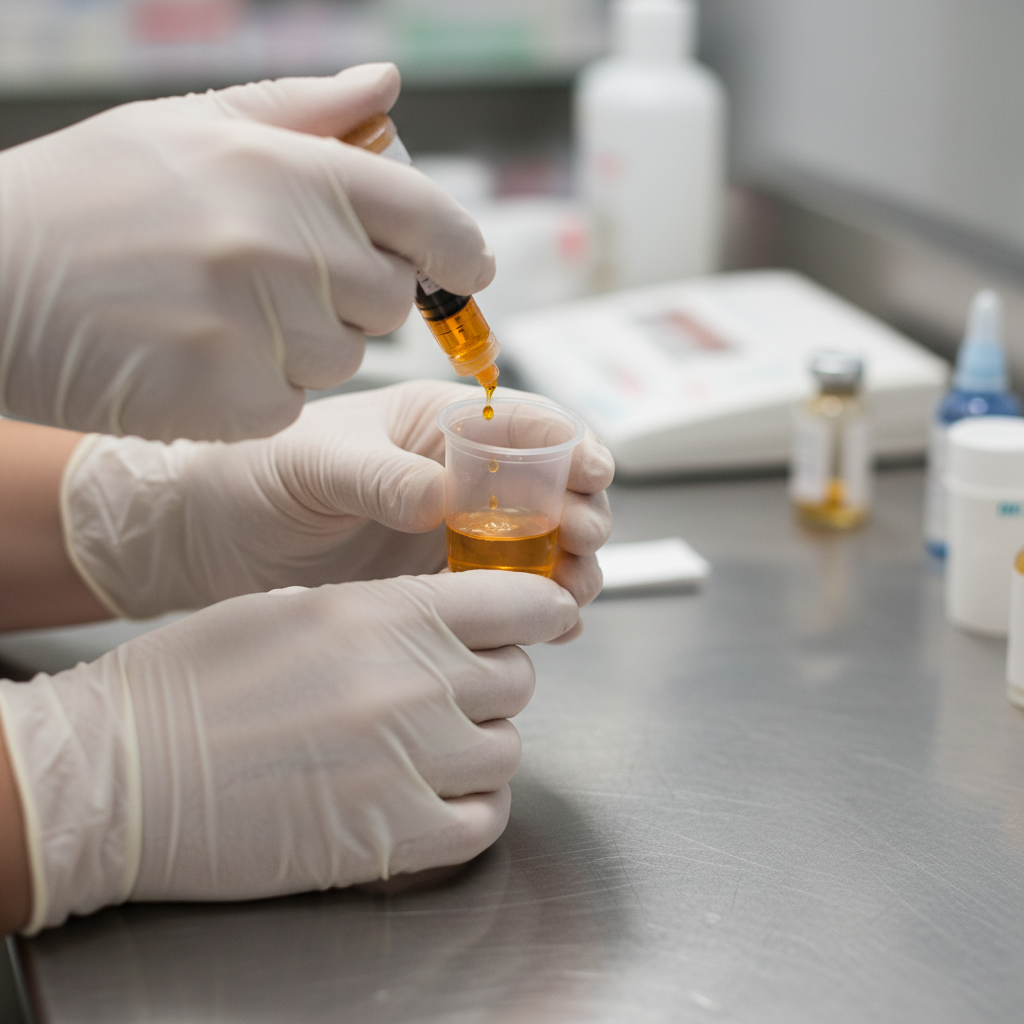
For many readers, seeing a dosing step helps. The image below illustrates the care and precision involved in preparing supervised doses.
Want a head start? Our team explains each step and what you’ll feel over the next 24–48 hours so nothing catches you off guard. If you’re ready, you can transition from this emergency pathway into ongoing care at our dedicated service page for the Methadone Program.
Mid‑article check‑in: ready to start today?
- Use our streamlined same‑day intake flow to reduce delays.
- Learn what to bring and how dosing works on day one.
- Explore your options beyond methadone if needed.
- When you’re ready, begin at our Start Methadone Program page.
Care Pathways in Ontario: ER, RAAM, and Outpatient Clinics
Choose your path by safety and speed. Use the ER if you’re medically unstable. RAAM clinics offer rapid addiction medicine without appointments. Outpatient networks like Road To Recovery provide same‑day OAT initiation with continuity of care.
Not sure where to start? This table summarizes common options and when each fits. Your safety always comes first; if you’re at immediate medical risk, the emergency department is the right choice.
| Pathway | Best For | Access Speed | What to Expect |
|---|---|---|---|
| Emergency Department (ER) | Medical instability, overdose, severe intoxication, pregnancy concerns | Immediate | Medical stabilization first; may initiate or bridge and refer to outpatient OAT |
| RAAM Clinic | Rapid addiction medicine consult without appointment | Same day to a few days | Assessment, initial plan, and referral to ongoing OAT follow‑up |
| Outpatient OAT (Road To Recovery) | Direct, confidential start with continuity | Same day | Nurse triage → physician assessment → pharmacy dosing → ongoing visits |
For medical emergencies, hospital emergency care provides stabilization and protects life; see general emergency context on this emergency care overview. If you’re stable but in withdrawal, you can often begin through an outpatient intake and avoid long waits. Our pages on the methadone clinic open now flow and closest methadone clinic options explain how to move quickly.
Types of Medication‑Assisted Options and When to Use Them
Methadone isn’t the only option. Buprenorphine/naloxone (Suboxone), injectable buprenorphine (Sublocade), and slow‑release oral morphine (Kadian) are offered within Road To Recovery’s care clinics. The best choice depends on history, goals, and safety.
Methadone (daily supervised initiation)
- Why it helps: full opioid agonist that reduces withdrawal and cravings.
- What to expect: daily witnessed dosing at first; gradual adjustments over the first week.
- Good fit: people with high opioid tolerance or prior buprenorphine challenges.
Buprenorphine/naloxone (Suboxone)
- Why it helps: partial agonist with a ceiling effect, lowering overdose risk.
- What to expect: induction requires mild to moderate withdrawal; flexible maintenance once stabilized.
- Good fit: those seeking fewer respiratory risks or with prior methadone side effects.
Injectable buprenorphine (Sublocade)
- Why it helps: long‑acting monthly injection supports steady levels and adherence.
- What to expect: starts after short stabilization on sublingual buprenorphine.
- Good fit: people who prefer monthly visits and consistent symptom control.
Slow‑release oral morphine (Kadian)
- Why it helps: alternative long‑acting option for select clinical scenarios.
- What to expect: structured dosing plan with careful monitoring.
- Good fit: individualized cases where other OAT choices were limited.
Our network also supports broader mental health and addictions needs, including alcohol or cocaine use, gambling concerns, and smoking cessation—practical when co‑occurring challenges complicate recovery. For a full overview of choices and how to compare them, see our clinics near my location comparison guide.
Best Practices for Your First 72 Hours
Stay consistent, communicate side effects, avoid sedatives and alcohol, prioritize sleep and hydration, and keep your next pickup predictable. The first 72 hours set the tone for safety and stability.
- Don’t miss doses: early consistency reduces withdrawal swings and anxiety.
- Communicate: report symptoms like sedation, dizziness, or persistent withdrawal so dosing can adjust.
- Avoid mixing: steer clear of alcohol and sedatives; mixing increases risks.
- Plan logistics: arrange transit, work breaks, and childcare for pickups.
- Lean on supports: counseling and peer support make the first week easier.
Alcohol use can complicate early OAT. For a general primer on alcohol risks during medical care, see this alcohol misuse overview. If alcohol is part of your story, let your care team know—your plan can include targeted support from our broader programs.
Tools and Resources You Can Use Today
Use same‑day intake, practical checklists, and clear clinic navigation to remove friction. The right links and steps make day one straightforward and safe.
- Start fast: review how our methadone clinic open now intake works and what to bring.
- Find your spot: scan our closest clinic guide for a convenient location in Ontario.
- Begin today: if you’re ready, go straight to the Start Methadone Program page.
- Prefer walk‑in support? Learn how walk‑in methadone clinics complement same‑day intake.
- Compare options: our compare care options guide explains when to choose each pathway.
- Family and legal context: if child protection or legal questions arise, community legal supports can help. One example of a public resource is this page on free lawyer advice in Ontario.
Case Studies and Real‑World Examples (Ontario)
Scenarios show how pathways play out: Toronto same‑day intake with pharmacy dosing; Barrie RAAM consult then outpatient continuity; Hamilton virtual assessment with next‑day in‑person follow‑up. The common thread is fast, safe linkage to ongoing OAT.
Scenario 1: Toronto, severe withdrawal after fentanyl use
- Problem: morning withdrawal with high anxiety and poor sleep.
- Action: same‑day nurse triage and physician assessment arranged through our outpatient network.
- Result: supervised dosing within hours; planned check‑ins the next two days; family receives support resources.
Scenario 2: Barrie, RAAM start then continuity at Road To Recovery
- Problem: unstable pattern with occasional benzodiazepine exposure.
- Action: rapid assessment at a RAAM clinic; referred for same‑day outpatient OAT with careful monitoring.
- Result: coordinated pharmacy dosing; counseling options added during week one.
Scenario 3: Hamilton, virtual assessment with quick in‑person follow‑up
- Problem: transportation barriers make same‑day travel hard.
- Action: initial assessment arranged virtually where appropriate; in‑person exam followed the next day.
- Result: safe start with clear dosing plan; psychiatry referral placed to support anxiety management.
Compassion and clarity matter. The clinical conversation below is a good picture of supportive planning in action.

Local considerations for all over ontario
- Transit and timing: plan dosing around local transit peaks and typical morning rush; early appointments help avoid delays.
- Seasonal factors: winter weather can disrupt travel—ask about flexible pickup windows or virtual components when appropriate.
- Coordination: if you work shifts, tell the team; our clinics can align dosing and check‑ins with your schedule.
FAQ: Emergency Methadone Clinic Access
You can often start the same day through our outpatient intake. Use the ER if you’re medically unstable. Bring a government ID if you can; if you can’t, still come—safety comes first. Suboxone users can switch with a plan.
Can I start methadone today?
Yes, in many cases. Our clinics triage new OAT intakes the same day. You’ll meet a nurse, then a physician, and we’ll coordinate supervised dosing with a nearby pharmacy. If you’re medically unstable, go to the ER first and we’ll coordinate follow‑up care.
Do I need to go to the ER first?
Use the ER if you have medical red flags like chest pain, severe intoxication, or pregnancy‑related concerns. If you’re stable but in withdrawal, you can often start through same‑day outpatient intake. We’ll advise during nurse triage if ER evaluation is safer.
What if I’m already on Suboxone?
Switching is possible with a plan. We’ll review your current dose, goals, and withdrawal pattern, then map a safe transition. Some people find stability with buprenorphine; others do better with methadone. We’ll help you choose and adjust safely.
What should I bring to my first visit?
Bring a photo ID and a medication list if you can. If you don’t have ID yet, still come—your safety comes first. Let us know about allergies, past OAT experiences, and any sedatives or alcohol use so we can tailor your plan.
How do pharmacy pickups work?
At first, dosing is usually witnessed at the pharmacy to ensure safety and the right effect. We’ll coordinate pickup times and check‑ins. As you stabilize, your plan can change. Communication is key—tell us how you’re feeling each day.
Conclusion and Next Steps
Emergency methadone access is about fast stabilization and safe continuity. If you’re in withdrawal, start today: same‑day triage, physician support, pharmacy coordination, and wraparound resources across Ontario.
- Begin now: review our open‑now intake and head to the Start Methadone Program.
- Compare paths: choose the best fit with our care options guide.
- Prefer walk‑in? See how walk‑in clinics support quick starts.
- Need location help? Use the closest clinic guide to plan your first visit.
Key Takeaways
Act quickly, choose the safest pathway, and keep day‑one logistics simple. Consistency and communication in the first 72 hours create momentum for long‑term recovery.
- Emergency methadone clinic access stabilizes withdrawal fast and links you to ongoing care.
- Road To Recovery offers same‑day nurse triage and physician support across Ontario.
- Plan for daily check‑ins early; adjust dosing based on how you feel.
- Avoid sedatives and alcohol; let your team know about other substances.
- Use practical tools—closest clinic guides and open‑now intake—to move without delay.
Recent Post
-
 October 23, 2026
Cocaine Outpatient Treatment Outcomes: What Progress Really Looks...
-
 October 20, 2026
Family Resources for Addiction Recovery in Hamilton: Practical...
-
 October 19, 2026
How to Choose an Opioid Agonist Therapy Clinic...
-
 October 18, 2026
Kadian for Opioid Use Disorder: How Treatment Works...

You are Valued
Road to Recovery is an outpatient opioid detoxification center, with locations across Ontario.
- Confidential care
- Same-day support
- Personalized treatment