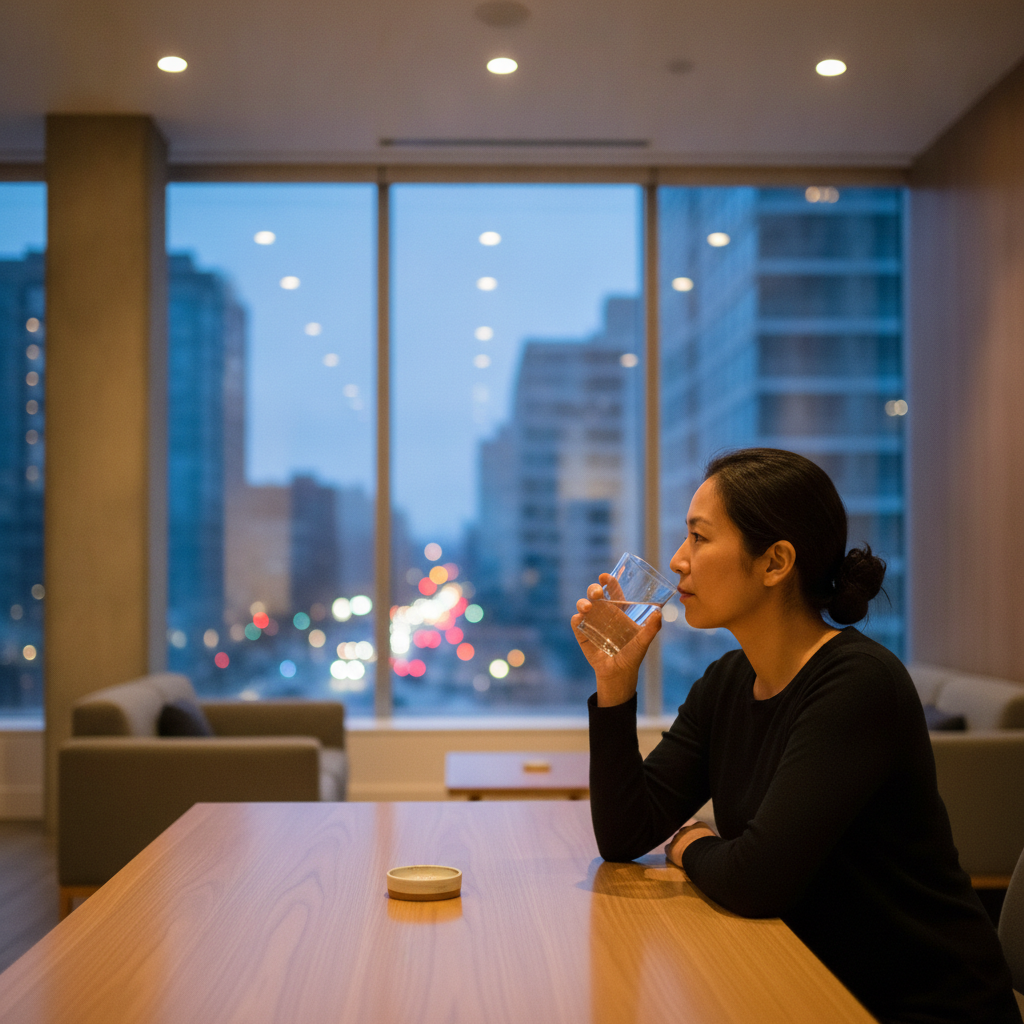
Alcohol cravings are intense, time-limited urges to drink driven by brain reward learning, stress, withdrawal, and environmental cues. They’re common in recovery and can be managed with skills, routines, and medical support. In all over ontario, Road To Recovery offers outpatient counseling and alcohol addiction treatment that helps you reduce cravings and stay on track.
By BRIAN TAYLOR • Last updated: June 15, 2026
Overview and table of contents
This guide explains what alcohol cravings are, why they happen, and how to handle them in real life. You’ll learn fast, step-by-step strategies, longer-term routines that make urges rarer, and where to find outpatient support across Ontario through Road To Recovery.
Here’s how to use this page. Skim the overview, pick one quick skill for today, and save the longer-term plan for later. If you’re supporting a loved one, jump to the FAQs and the case examples for ideas that work in day-to-day life.
- What alcohol cravings are (clear definition)
- Why cravings matter for recovery momentum
- How urges form in the brain—and fade with practice
- Types of cravings and how to spot them fast
- Step-by-step: A 10-minute craving response plan
- Best practices to make urges less frequent over time
- Therapies, medications, and outpatient resources in Ontario
- Short, anonymized case examples from outpatient care
What are alcohol cravings?
Alcohol cravings are strong, time-limited urges to drink that arise from learned brain associations, stress, withdrawal, or emotion. They feel urgent but typically crest and fall like a wave. Naming the urge and using brief skills reduces intensity and protects your next decision.
Cravings can feel physical (tight chest, restlessness), mental (rapid thoughts), or emotional (boredom, anger, loneliness). They often hit after work, during social cues, or when sleep and meals slip. Recognizing patterns helps you prepare a response before the spike.
- Key signs: urgency to drink, “just one” thoughts, body tension, scanning for excuses.
- Common triggers: stress, conflict, celebrations, certain people or places, hunger, and fatigue.
- Good news: most urges are brief. With practice, they pass faster and return less often.
At Road To Recovery, we help people in Ontario pair fast skills (breathing, movement, delay) with supports like counseling and structured routines through our alcohol addiction treatment program.
Why alcohol cravings matter
Cravings predict short-term risk of drinking, but they’re also a clear signal to use your plan. Tracking patterns, practicing fast skills, and getting outpatient support turn urges from setbacks into progress markers.
Here’s the thing: cravings are normal. Treat them as notifications from your nervous system, not as failures. Each time you ride one out, your brain relearns that relief doesn’t require alcohol. Over weeks, the average intensity tends to drop as sleep, meals, and movement stabilize.
- Measure what matters: note time, trigger, intensity (1–10), and what helped.
- Short wins add up: even a two-minute pause or a quick text can interrupt the loop.
- Stack support: pair self-help skills with counseling and medical options when appropriate.
If you prefer a structured starting point, our Ontario team outlines options and next steps in this Ontario alcohol treatment overview.
How alcohol cravings work (the brain and body)
Cravings form when the brain links alcohol with fast relief through dopamine and stress circuits. Cues that predict relief can trigger urges later. Repeatedly choosing healthy responses rewires those pathways, so urges peak sooner and end faster.
Alcohol briefly boosts dopamine (motivation/“wanting”) and blunts stress. The brain learns, “This works quickly,” so later, similar contexts—like walking past a bar after work—can spark an urge even if you weren’t thinking about drinking.
- Cue learning: people, places, times, and emotions become “drink now” prompts.
- Stress systems: poor sleep and conflict sensitize cravings; calm routines desensitize them.
- Neuroplasticity: skills practice builds new associations like “walk + tea = relief.”
We’ve found in outpatient care that consistent sleep and meals, plus counseling, noticeably shorten the average length of urges within the first few weeks. You’ll see examples in the case studies below.
Types of cravings (and how to spot them)
Most urges fall into patterns: cue-triggered, stress-driven, withdrawal-related, habitual, or emotional. Labeling the type tells you which tool to use—move your body for stress, eat for withdrawal, change context for cues, or text a supporter for emotional surges.
- Cue-induced: people, places, times. Action: change context; step outside; swap routines.
- Stress-driven: conflict, deadlines, fatigue. Action: brief movement + breathing reset.
- Withdrawal-related: early recovery, sleep disruption. Action: snack + hydration + rest.
- Habitual/automatic: end-of-day or weekend rituals. Action: anchor a new ritual.
- Emotional: boredom, loneliness, grief, celebration. Action: text support; name the feeling.
Spot the pattern, then pair it with one matched skill. Over time, you’ll build a personalized playbook. If you want help tailoring that playbook, our team can guide you through options in this recovery support guide.
Step-by-step: the 10-minute craving plan
Use a short, repeatable playbook: name the urge, delay for 10 minutes, breathe, move, hydrate, text a supporter, and choose the next right activity. This sequence reduces intensity quickly and protects your next decision.
- Name it: “This is a craving; it will pass.”
- Delay 10 minutes: set a timer; change rooms or step outside.
- Breathe 4-7-8: in for 4, hold 7, out for 8 (four cycles).
- Cold splash or cool air: brief sensory reset; then stretch shoulders and jaw.
- Move: squats, stairs, or a brisk 5-minute walk.
- Eat and hydrate: protein snack plus water or herbal tea.
- Text one person: “I’m craving; checking back in 10.”
- Urge-surf: imagine the rise-fall of a wave; track the peak sliding down.
- Choose the next right thing: shower, cook, journal, or prep for bed.
Print these steps or save them to your phone. In our experience, repeating the same short routine makes it automatic, so you spend less energy deciding and more energy recovering.

Best practices to reduce urges over time
Focus on sleep, meals, movement, social support, and environment. These basics lower baseline stress, stabilize energy, and reduce cue exposure—making cravings less frequent and easier to ride out.
Foundations that pay off
- Sleep 7–9 hours: consistent bedtime, dark room, no late caffeine.
- Regular meals: protein + fiber every 3–4 hours to keep blood sugar steady.
- Hydration baseline: aim for light-yellow urine; keep water visible at home and work.
- Move your body: 20–30 minutes most days; build tiny habits like “walk after lunch.”
- Social anchors: counseling, peer groups, or a check-in buddy at set times.
- Environment design: remove alcohol; stock alternatives; plan “exit routes.”
Skill stacking
- Breathing + movement: pair 4-7-8 with a short walk.
- Delay + text: timer plus a quick accountability message.
- Snack + tea: stop the blood-sugar dip that amps urges.
Need a structured place to start? Many people begin with our brief skills overview in Stop Drinking: 7 Steps and add counseling via our alcohol recovery therapy guide.
Tools, medications, and outpatient resources
Combine behavioral skills with counseling and, when appropriate, medication. Outpatient care coordinates therapy, medical evaluation, and referrals so you can tailor a plan that fits your life in Ontario.
Behavioral therapies. Cognitive behavioral therapy (CBT) builds craving response skills; motivational interviewing (MI) aligns change with your values; skills-based groups add structure. Many patients pair one weekly session with home practice.
Medications (discuss with a clinician). Evidence-supported options such as naltrexone or acamprosate can reduce urge intensity for some people. If you have co-occurring opioid use, stabilizing with OAT (e.g., Methadone, Suboxone, or long-acting options like Sublocade for opioids) often improves sleep and mood, which indirectly lowers alcohol urges.
| Approach | Primary benefit | Good fit when… | Watch-outs |
|---|---|---|---|
| Self-guided skills | Immediate control | You want tools today | Consistency matters |
| Counseling | Personalized coaching | You want structure | Schedule commitment |
| Medication support | Lower urge intensity | Urges feel overwhelming | Medical evaluation needed |
| Combined | Best overall outcomes | You’re ready to stack supports | Plan and follow-up |
To explore options locally, see our Ontario-wide alcohol treatment program and this practical overview of drinking treatment in Ontario.
Local considerations for all over ontario
- Winter evenings can be long. Schedule brief indoor movement and hot-decaf routines to avoid “boredom spikes” that push urges.
- Long commutes raise stress. Batch snacks and water in your bag so blood sugar and hydration don’t dip before you get home.
- Holidays and long weekends bring cues. Pre-plan alcohol-free hosts, rides, and check-ins; our clinics can help you script boundaries.

Evidence and helpful context
Cravings diminish with practice because the brain updates predictions. Consistent sleep, meals, movement, and counseling create fewer high-risk moments, while a repeatable response plan shortens each urge’s peak and duration.
Managing chronic stress and pain reduces baseline vulnerability to urges. For broader perspective on pain management strategies that can complement recovery work, see this discussion of persistent pain programs. When caregivers are supported, patients often do better too; a wellness-oriented view of caregiver health can help families pace recovery efforts—one example is this overview of caregiver burnout prevention. Building practical focus skills also helps many people follow through on daily routines; here’s a brief take on foundational productivity skills that pair well with recovery checklists.
Case studies and real-world examples
Short, anonymous examples show how people in outpatient care combine quick skills, routines, and support. The common theme: small, repeatable actions reduce urge intensity and protect the next choice.
Evening-commute cravings
A patient commuting across Ontario noticed urges peaking between 5–7 p.m. We layered a 10-minute plan after work, added a protein snack and water in the car, and scheduled a brief walk before going home. Within two weeks, the evening intensity score dropped from “8–9” to “4–5.”
Weekend social cues
Another patient swapped bar nights for early-morning commitments (gym buddy, weekend class). We drafted polite scripts and stocked alcohol-free options. Two months later, they reported fewer invites to high-risk events and felt comfortable saying, “I’m taking a break from drinking.”
Co-occurring opioid use
One patient had both opioid and alcohol use concerns. Stabilizing with Suboxone through our network improved sleep and pain management. As energy returned, alcohol urges eased. Care coordination with psychiatry referrals supported anxiety and sleep routines.
Want ideas you can start today? Our practical guide to spotting drinking patterns includes checklists you can print and share with a supporter.
Frequently Asked Questions
These quick answers cover how cravings feel, how long they last, what to drink instead, whether medication helps, and what to do after a slip. Each response is practical and designed for real life.
How long do alcohol cravings usually last?
Most urges are brief and wave-like. Many people notice a peak within minutes that eases as they breathe, move, and change context. Having a short, repeatable plan—like a 10-minute routine—helps you ride it out and protect your next choice.
What can I drink instead during a craving?
Choose options that are cold, flavorful, or warming: sparkling water with citrus, herbal tea, or a protein shake. Pairing a drink with a protein-rich snack steadies energy and often quiets urge intensity within minutes.
Do medications help with alcohol cravings?
For some people, yes. Options like naltrexone or acamprosate can reduce urge intensity when combined with counseling and skills practice. A medical evaluation can help decide if medication fits your health history and goals.
What should I do after a slip?
Treat it as data, not a disaster. Rehydrate, eat, and sleep. Write what happened—time, trigger, intensity—and update your plan. Reconnect with support and schedule counseling. Progress is about trend lines, not perfection.
Key takeaways
Cravings are normal and manageable. A repeatable 10-minute plan, steady routines, and outpatient support make urges less frequent and less intense, helping you protect your next decision.
- Cravings are brief and wave-like; skills shorten each peak.
- Sleep, meals, and movement lower baseline vulnerability.
- Stack supports: self-help, counseling, and—if appropriate—medication.
- Plan ahead for high-risk times like commutes, weekends, and holidays.
- Outpatient support across Ontario is available when you’re ready.
Next steps in Ontario
If you’re ready to take action, start with one skill, then add support. Road To Recovery offers outpatient options and coordinated referrals so you can build a plan that fits your life in Ontario.
Explore our Alcohol Addiction Treatment Program, read the Ontario treatment steps, and consider booking a counseling intake. If opioid use is also a concern, our network supports integrated planning alongside OAT options available within our clinics.
Recent Post
-
 October 23, 2026
Cocaine Outpatient Treatment Outcomes: What Progress Really Looks...
-
 October 20, 2026
Family Resources for Addiction Recovery in Hamilton: Practical...
-
 October 19, 2026
How to Choose an Opioid Agonist Therapy Clinic...
-
 October 18, 2026
Kadian for Opioid Use Disorder: How Treatment Works...

You are Valued
Road to Recovery is an outpatient opioid detoxification center, with locations across Ontario.
- Confidential care
- Same-day support
- Personalized treatment