
Starting Sublocade is the process of transitioning onto a monthly, extended‑release buprenorphine injection to treat opioid use disorder. It follows stabilization on daily buprenorphine and delivers steady medication for about 28–30 days. For people in all over ontario seeking reliable relief from cravings and withdrawal, Sublocade can simplify recovery with fewer daily decisions.
By Road To Recovery • Last updated: 2026-06-23
Above-Fold Section: Hook + Table of Contents
If you’re starting Sublocade soon, you’ll move from daily buprenorphine to a once‑monthly injection that releases medicine for about a month. Expect two 300 mg loading doses, then 100 mg monthly for maintenance, with some patients continuing 300 mg. Use this table of contents to jump to the steps, tips, and FAQs.
Here’s how this complete guide helps you prepare and feel confident about day one, week one, and month one of treatment at Road To Recovery clinics in all over ontario:
- Understand what Sublocade is and why timing matters
- See step‑by‑step induction from Suboxone to Sublocade
- Compare Sublocade, Suboxone, and methadone
- Learn best practices to reduce withdrawal and cravings
- Access tools, resources, and same‑day intake support
- What Is Starting Sublocade?
- Why It Matters
- How It Works
- Induction Methods
- Best Practices
- Tools & Resources
- Case Studies & Examples
- FAQ
- Conclusion & Next Steps
- Related Articles
Overview
Sublocade is a monthly buprenorphine injection designed to keep blood levels steady for 28–30 days. After stabilization on transmucosal buprenorphine (often 7+ days), most begin with 300 mg for two months, then 100 mg monthly. This approach reduces daily dosing burden, supports adherence, and can help prevent lapses.
At Road To Recovery, we combine medication with compassionate, judgment‑free care. New opioid addiction intakes are typically seen by a nurse and then a physician the same day, helping you start evidence‑based treatment without delay.
What Is “Starting Sublocade”?
“Starting Sublocade” means initiating monthly, extended‑release buprenorphine after stabilizing on daily buprenorphine. The goal is steady medication levels that curb cravings and withdrawal for about a month, so you can focus on recovery without carrying daily doses or tracking multiple refills.
In plain terms, you receive a subcutaneous injection once every 28–30 days. The medicine forms a small, biodegradable depot under the skin that gradually releases buprenorphine. Many patients appreciate the consistency: fewer peaks and troughs, fewer daily decisions, and predictable support between clinic visits.
- Monthly cadence: Injections are typically scheduled every 4 weeks (about 28 days).
- Loading then maintenance: Two injections at 300 mg start treatment; many patients then move to 100 mg monthly.
- Induction requirement: Stabilization on daily buprenorphine (e.g., Suboxone) reduces risk of precipitated withdrawal.
- Clinic‑administered: Given by trained clinicians in a private room; no take‑home ampoules or daily films.
For people balancing work, family, or school in all over ontario, this once‑monthly rhythm can simplify life while keeping treatment steady.
Why Starting Sublocade Matters
Starting Sublocade matters because steady buprenorphine over 28–30 days can reduce cravings and withdrawal variability. Many patients report improved focus on work, family, and therapy when they’re not managing daily doses. It’s also clinic‑administered, lowering diversion risk and easing refill logistics.
Here’s why that’s important in real life:
- Fewer daily choices: One injection each month removes 30+ dosing decisions.
- Built‑in adherence: You can’t miss a dose you don’t have to take daily.
- Steady state support: The depot releases medication consistently, helping smooth symptoms between days 1 and 28.
- Lower handling risk: No home storage, no lost films, and reduced exposure to diversion pressures.
- Integrated care: At Road To Recovery, injections pair with counseling options, mental health referrals, and ongoing guidance.
In our experience supporting patients across Ontario, the monthly structure can be a turning point—especially for those who struggled with daily adherence, travel, or privacy.
How Starting Sublocade Works (Step‑by‑Step)
You stabilize on daily buprenorphine, confirm you’re ready, and receive a 300 mg Sublocade injection in a clinic. About 28 days later, you get the second 300 mg dose. Many then shift to 100 mg monthly. Expect private visits, injection‑site care, and check‑ins to fine‑tune symptoms.
Below is a practical sequence we use to help new patients feel prepared and supported.
- Stabilize on daily buprenorphine: Most patients use transmucosal buprenorphine (e.g., Suboxone) for at least 7 days. The target is stable comfort (e.g., controlled withdrawal, minimal cravings).
- Confirm readiness: Your clinician ensures symptoms are controlled, reviews recent use, and confirms it’s safe to proceed.
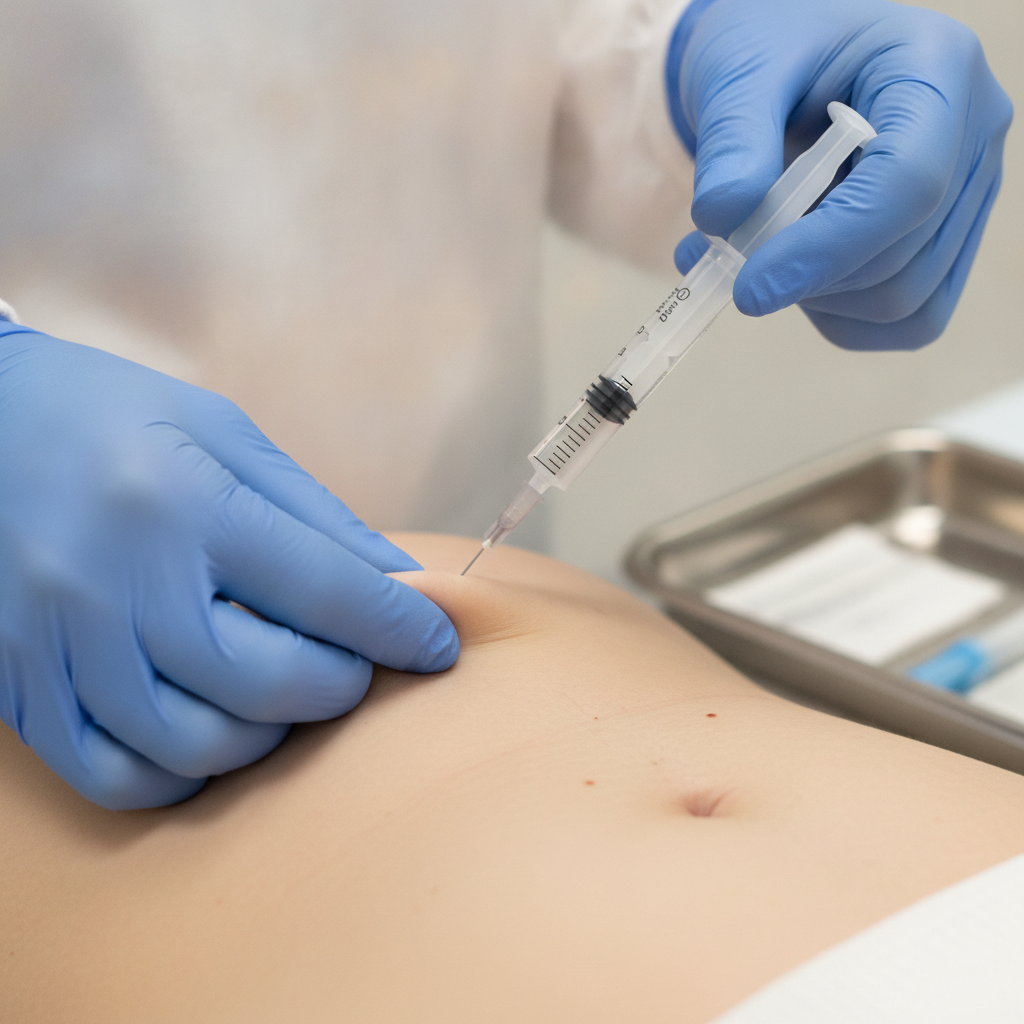
- Receive Injection #1 (300 mg): A trained provider gives a subcutaneous abdominal injection. Plan for 10–20 minutes including prep and post‑injection guidance.
- Plan weeks 1–4: Expect steady release. You’ll get guidance on activity, site care, and what’s typical versus worth a call.
- Receive Injection #2 (300 mg): Around day 28, the second loading dose is given.
- Transition to maintenance: Many shift to 100 mg monthly at visit #3; some continue 300 mg if clinically needed.
- Ongoing follow‑up: You’ll review symptoms, mood, sleep, and goals, and adjust the plan as needed.
Comfort improves when the plan is clear. We’ll also discuss counseling options, men’s health services if relevant, and psychiatry referrals coordinated locally or virtually.
Want a deeper dive into dosing and appointment flow? See our Sublocade injection guide for an expanded walkthrough.
Types, Methods, and Approaches to Induction
Most people start Sublocade after at least 7 days on daily buprenorphine, but individualized paths exist. Your clinician may use standard induction, low‑dose buprenorphine “micro‑induction,” or extended stabilization depending on recent opioid use, tolerance, and treatment goals.
Standard Induction (most common)
- Who it suits: Patients already steady on daily buprenorphine with controlled withdrawal and cravings.
- What happens: Maintain daily buprenorphine through the morning of your first injection, then receive 300 mg Sublocade. Plan follow‑up in about 28 days.
- Why it helps: Minimizes risk of precipitated withdrawal and leverages established stability for a smooth transition.
Low‑Dose or “Micro‑Induction” (for special cases)
- Who it suits: People who can’t tolerate a full switch right away (e.g., recent full‑agonist use) and need gradual receptor transition.
- What happens: Very small buprenorphine doses are overlapped with existing opioids for several days to weeks under close supervision, then Sublocade is initiated.
- Why it helps: Aims to reduce discomfort when moving from full agonists to partial agonist therapy.
Extended Stabilization
- Who it suits: Patients who benefit from extra time on daily buprenorphine (e.g., complex health needs, significant anxiety about change).
- What happens: Weeks to months of steady daily buprenorphine until you and your clinician feel confident about transitioning.
- Why it helps: Builds confidence and routine before moving to monthly injections.
Whatever the path, we keep safety first and personalize the timeline—especially if you’re managing work shifts, family routines, or travel in all over ontario.
Best Practices for Starting Sublocade
The best approach is to stabilize first, schedule injections every 28 days, and keep follow‑ups consistent. Rotate injection sites, monitor symptoms, and combine medication with counseling. If cravings break through, speak up early—dose and timing can be adjusted.
Practical Tips That Make Week 1 Easier
- Schedule smart: Book the first two injections 28 days apart before you leave the clinic.
- Plan for day 1–3: Light activity, hydration, and sleep help your body adjust to the depot.
- Know typical vs. urgent: Mild site soreness is common for 24–72 hours; call if redness, swelling, or pain worsens.
- Track symptoms: Keep a brief daily note on sleep, cravings, and mood for the first 2–3 weeks.
- Layer supports: Add counseling, peer support, or mental health referrals early to build momentum.
Clinic & Safety Best Practices
- Private administration: Injections are given subcutaneously in the abdomen by trained staff.
- Site rotation: Alternate left/right lower abdomen monthly to reduce local irritation.
- Follow‑up rhythm: Keep monthly appointments within a 28–30‑day window for steady coverage.
- Open communication: Report cravings, sedation, or mood changes promptly so we can fine‑tune care.

Local considerations for all over ontario
- Winter travel can affect timing. Aim for appointments before storms and ask about tele‑check‑ins if roads are unsafe.
- Work shifts vary by industry. Early‑morning or late‑day slots can keep you within the 28–30‑day window.
- Prefer privacy? Our judgment‑free approach keeps visits discreet; ask about quieter times and streamlined intake.
For a deeper comparison of monthly injections versus daily therapy, our team outlines real‑world tradeoffs in Sublocade vs. Suboxone and covers duration in how long Sublocade lasts.
Tools and Resources (Checklists, Guides, and Learning)
Case Studies and Real‑World Examples
Patients who struggled with daily dosing often stabilize after the first 2–3 months of Sublocade. With monthly visits, many report fewer cravings, steadier sleep, and more time for work and family. These brief, anonymized scenarios mirror common journeys we see across Ontario.
“I kept forgetting daily doses.”
After two missed daily doses in one week, a patient in all over ontario stabilized 9 days on Suboxone, received 300 mg Sublocade, and reported steadier days 3–28. By month 3, they moved to 100 mg maintenance and enrolled in counseling.
“Travel made refills hard.”
Working shifts across cities, another patient chose monthly injections to avoid pharmacy logistics. Two 300 mg injections (days 0 and 28) followed by 100 mg monthly reduced packing stress, and they used virtual psychiatry referrals to support sleep and mood.
“I wanted privacy.”
A patient concerned about workplace stigma preferred clinic‑only administration. Monthly Sublocade limited home storage, and private rooms plus consistent schedules eased anxiety. They asked for quiet early‑morning slots and kept within the 28–30‑day window.
We pair these medical plans with compassion: same‑day nurse triage, physician review, and personalized supports—including men’s health services and mental health referrals—so each person can move at a safe, sustainable pace.
Comparison Table: Sublocade vs. Suboxone vs. Methadone
Sublocade offers once‑monthly dosing and clinic‑only administration; Suboxone offers daily home dosing; methadone offers daily supervised starts with gradual take‑homes. Use this table to see how frequency, flexibility, and structure compare so you can align treatment with your life.
| Feature | Sublocade (monthly) | Suboxone (daily) | Methadone (daily start) |
|---|---|---|---|
| Dosing frequency | Every 28–30 days | Once daily (some split) | Daily initially (take‑homes evolve) |
| Administration | Clinic injection | Home films/tablets | Clinic/pharmacy observed early |
| Diversion risk | Very low (no take‑home product) | Low‑moderate | Low‑moderate |
| Flexibility | High between visits | High (self‑managed) | Moderate (structured starts) |
| Good fit for | Adherence & privacy | Self‑management | High‑tolerance stabilization |
Need help deciding? Our clinicians can walk you through these options and tailor a plan that meets your goals and routines.
Frequently Asked Questions
These direct answers cover the most common questions about starting Sublocade—induction timing, what it feels like, missed appointments, and transitioning from daily therapy. Each answer is concise, practical, and easy to act on.
How do I know I’m ready to start Sublocade?
You’re usually ready once you’ve stabilized on daily buprenorphine for at least a week, cravings and withdrawal are controlled, and you and your clinician agree it’s safe. A quick check of symptoms, recent use, and goals confirms timing.
What does the injection feel like?
Most people feel a brief pinch and pressure. Mild soreness or firmness under the skin can last 24–72 hours. Use gentle activity, hydration, and over‑the‑counter comfort measures as advised. Call the clinic if pain, redness, or swelling worsens.
What if I can’t make my 28‑day appointment?
Call us as soon as you know. We’ll aim to keep you within a 28–30‑day window. If there’s a longer gap, your clinician will advise on bridging options so you stay covered until the next injection.
Can I switch back to daily Suboxone later?
Yes. Some patients transition from Sublocade back to daily therapy. The plan depends on when your last injection was and your current symptoms. Your clinician will time the switch and prescribe appropriately to minimize discomfort.
Conclusion: Your First Month on Sublocade
Starting Sublocade replaces 30+ daily decisions with one monthly visit. Stabilize first, schedule two 300 mg injections 28 days apart, then maintain—often at 100 mg monthly. Pair the medicine with counseling and follow‑ups, and speak up early if cravings return.
Key Takeaways
- Stabilize on daily buprenorphine for about 7+ days before the first injection.
- Plan for two 300 mg loading doses, then 100 mg monthly for many patients.
- Keep appointments within a 28–30‑day window to avoid symptom gaps.
- Report breakthrough cravings promptly—dose or schedule can be adjusted.
- Layer counseling and mental health supports for stronger outcomes.
Next Steps
- Read our plain‑English overview: Sublocade prescription explained.
- Find a nearby clinic and start same‑day intake: Sublocade clinics in Ontario.
- Meet experienced providers: Sublocade doctors.
Ready to start Sublocade in all over ontario? We offer confidential, judgment‑free care with reduced wait times. Begin your journey today.
Related Articles
Explore more learning in our Sublocade content cluster—dosage, duration, and switching strategies. These topics build on what you learned here and help you plan the next steps in your recovery.
- Sublocade: How the Injection Works Month to Month
- Switching from Suboxone Films to Monthly Injections
- What to Expect When Stopping Sublocade
- Daily Buprenorphine vs. Monthly Depot: Pros and Cons



You are Valued
Road to Recovery is an outpatient opioid detoxification center, with locations across Ontario.
- Confidential care
- Same-day support
- Personalized treatment