
Choosing an opioid agonist therapy clinic in Ontario involves more than finding the nearest location or selecting a medication from a list. Look for a clinic that can assess your health and opioid use, explain appropriate treatment options, provide a clear intake plan, and coordinate ongoing support.
Medication choice should be made with a qualified clinician. It is also important to understand confidentiality, pharmacy coordination, follow-up visits, mental health referrals, and which services are available at the specific location.
What opioid agonist therapy includes
Opioid agonist therapy is a clinician-supervised approach to opioid use disorder that uses prescribed medication to help manage withdrawal and cravings while supporting greater stability. Treatment may also include medical monitoring, pharmacy coordination, recovery guidance, and support for co-occurring mental health concerns.
OAT differs from a short-term detox-only approach. Detox focuses on stopping or reducing substance use over a limited period, while OAT may provide continuing medication-based care and follow-up. Neither description determines what is suitable for you. A clinician must consider your history, health, goals, and safety.
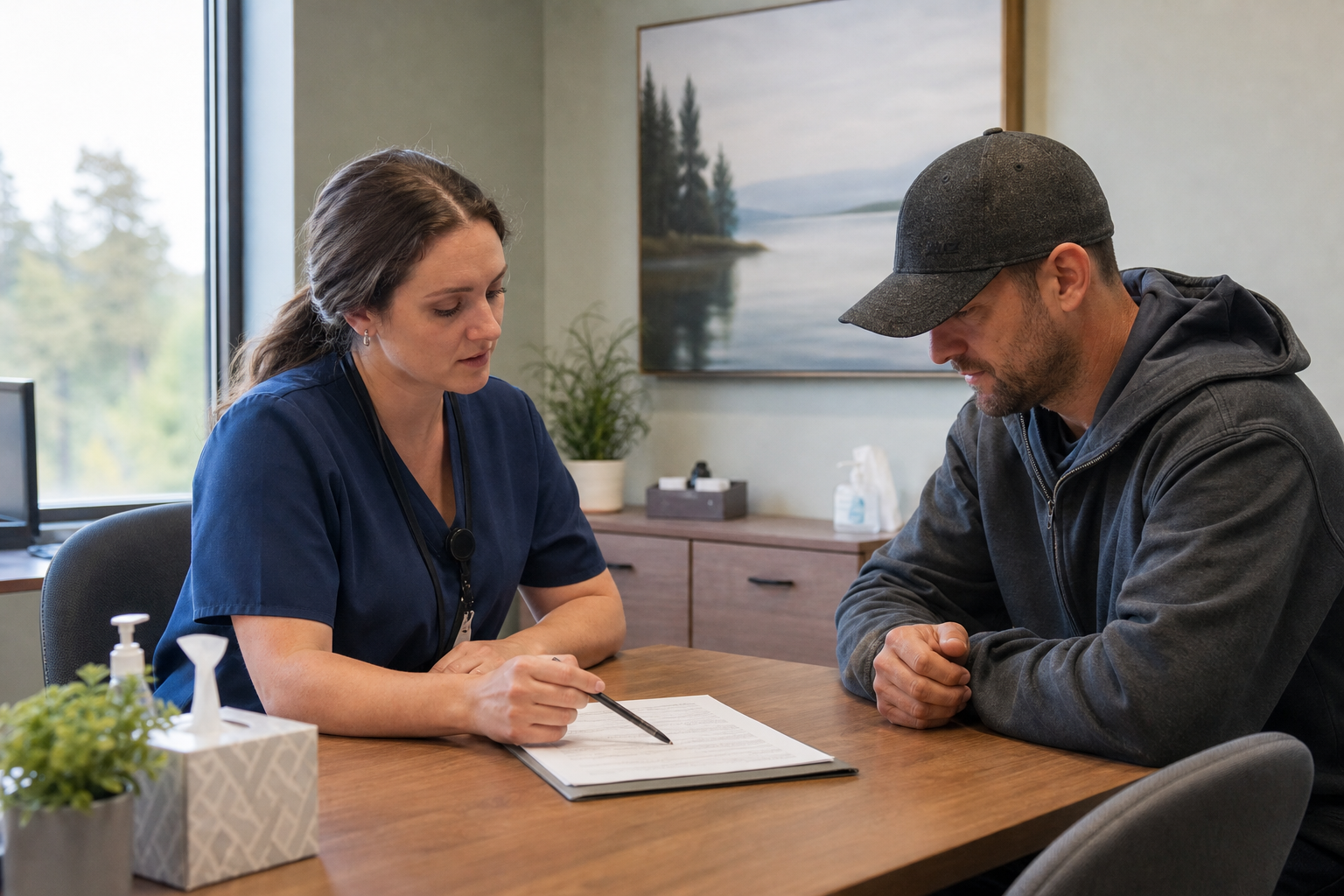
Before an assessment, review these questions about OAT medication, monitoring, and safety to prepare for an informed conversation.
Compare the main OAT medication options

Road To Recovery identifies methadone, Suboxone, Sublocade, and Kadian among the options available through its outpatient clinic network. Each has a different formulation and routine, so practical fit matters as much as the medication name.
Suboxone treatment uses buprenorphine and naloxone as part of an outpatient OAT plan. Methadone is an oral medication used within a structured treatment program. Sublocade is an extended-release buprenorphine injection administered by a healthcare professional after clinical stabilization on buprenorphine. Kadian is slow-release oral morphine used under medical supervision within an OAT pathway.
These descriptions are not recommendations. A person seeking a less frequent routine may ask about longer-acting treatment, while someone else may need to discuss daily oral medication and closer early monitoring. Only the treating clinician can determine whether an option is appropriate.
Medication format, routine, and questions to ask
This table can help you prepare for an assessment. It does not determine eligibility, dosing, or which treatment will work best.
| Option | Format | Routine to discuss | Useful question |
|---|---|---|---|
| Methadone | Oral medication | Early monitoring, pharmacy arrangements, follow-up, and possible routine changes as treatment progresses. | How will assessment and stabilization work? |
| Suboxone | Buprenorphine and naloxone | Induction timing, daily medication, follow-up, and pharmacy coordination. | How will the clinician plan the start? |
| Sublocade | Extended-release buprenorphine injection | Clinical stabilization, monthly appointments, scheduling, and coverage logistics. | What preparation and follow-up are required? |
| Kadian | Slow-release oral morphine | Supervision, pharmacy routines, monitoring, and safe storage. | Why might this option be considered? |
For more detail about assessment, supervised dosing, stabilization, and follow-up in a methadone program, prepare questions for a clinician. The same principle applies to every OAT option: treatment should follow an assessment rather than a generic online comparison.
How clinicians match treatment to your situation
An assessment may cover current and previous opioid use, past treatment experiences, medications, allergies, physical and mental health concerns, and goals for care. The clinician may also ask about your daily routine, transportation, work or family responsibilities, preferred pharmacy, and ability to attend follow-up appointments.
Be open about all substances and medications, including alcohol, sedatives, prescribed pain medication, and non-prescription products. This information helps the care team consider safety. Ask why a medication is recommended, what monitoring is expected, and what alternatives may be discussed if the first plan is not a good fit.
What intake at an Ontario OAT clinic may look like
Processes vary by clinic and location, but the purpose is to gather enough information for a safe clinical assessment. Road To Recovery describes a secure online intake route followed by nurse triage and physician assessment for new OAT patients on the same day. Medication planning occurs when clinically appropriate, rather than being guaranteed simply because an intake form was submitted.
You may provide contact details and information about your treatment needs through the intake process. A nurse may review your history and immediate concerns, followed by a physician discussion about treatment options. The team may then discuss pharmacy coordination, follow-up appointments, recovery guidance, and referrals if additional support is needed.
Ask whether the services you need are available at your preferred site. Locations may differ in hours, walk-in services, medication arrangements, or referral pathways.
Questions to ask before choosing a clinic
- Assessment: How soon can I speak with a nurse or physician?
- Medication options: Does the clinic assess methadone, Suboxone, Sublocade, and Kadian?
- Confidentiality: How is my personal and health information handled?
- Pharmacy coordination: Can the clinic work with a convenient pharmacy?
- Follow-up: What appointments and recovery supports follow the initial assessment?
- Mental health: Can the team coordinate local or virtual psychiatry referrals?
- Location: Is the site practical for transportation, work, and family responsibilities?
- Family support: Can relatives receive general guidance, and what consent is required?
- Site-specific services: Does this location offer medical walk-in care or other relevant services?
Road To Recovery describes confidential, judgment-free care, personalized treatment planning, and coordinated mental health and psychiatry referrals. Its locations include Toronto, Barrie, Brampton, Brantford, Hamilton, Newmarket, Orillia, and Sault Ste. Marie. Confirm current services and intake arrangements at the location you are considering.
Access, mental health support, and referral options
Convenience matters when it affects whether you can attend appointments, collect medication, and stay connected with follow-up care. A nearby clinic may be preferable, but a workable intake process or strong referral coordination may also influence your decision.
Road To Recovery states that psychiatry referrals can be coordinated locally or virtually through partners such as CAMH and OTN. This does not mean every patient will need or receive a referral. Ask the clinic what process applies to your situation.
Ontario’s official mental health services information directs people to ConnexOntario for information and referrals 24 hours a day, seven days a week. Its service information includes addiction treatment and Rapid Access Addiction Medicine clinics, and no appointment or referral is required to seek help through this route. Review Ontario’s mental health and addiction service information for current details.
How to prepare for your assessment
- Record recent opioid use, frequency, and approximate last use as accurately as possible.
- Prepare a list of medications, supplements, allergies, and major health conditions.
- Note previous OAT, detox, withdrawal-management, emergency, or addiction treatment.
- Write questions about medication formats, pharmacy routines, monitoring, and follow-up.
- Consider your preferred location, transportation, pharmacy, work schedule, and family responsibilities.
- Decide what information a support person may need and what consent may be required.
Seek urgent medical help if someone has severe difficulty breathing, cannot be awakened, has a seizure, or appears to be experiencing a life-threatening emergency. A clinic’s intake process is not a substitute for emergency services.
Frequently asked questions
Do I need a referral to access opioid agonist therapy in Ontario?
Not necessarily. Ontario states that ConnexOntario provides information and referrals without an appointment or referral requirement. Individual clinic rules may differ, so ask the clinic how to begin.
What should I bring to an OAT assessment?
Bring identification or health information if requested, along with your medication list, allergies, relevant history, recent opioid-use information, pharmacy details, and treatment questions. Contact the clinic if you do not have every document.
Can a family member contact an OAT clinic?
Family members can ask about general intake procedures and family resources. Privacy rules may limit information about a particular patient unless consent has been provided. Relatives can still share safety concerns and request support information.
How should I compare OAT clinic locations?
Compare travel time, appointment availability, pharmacy access, follow-up arrangements, confidentiality, medication options, and mental health referrals. Confirm details for the specific site.
Can I ask about all four medication options at one assessment?
Yes. Asking about methadone, Suboxone, Sublocade, and Kadian can clarify differences in format and routine. The clinician must still assess your health, opioid-use history, medications, goals, and safety before recommending treatment.
Conclusion: Choose the clinic that fits your care needs
The right opioid agonist therapy clinic in Ontario should provide qualified assessment, explain appropriate options, make intake understandable, and coordinate pharmacy, mental health, family, and follow-up support where needed.
Prepare your recent opioid-use information, health history, preferred location, pharmacy needs, and treatment questions. Then compare the answers, especially the services available at the specific location.
Road To Recovery provides outpatient OAT across Ontario, including methadone, Suboxone, Sublocade, and Kadian options, with a described same-day nurse and physician intake pathway for new OAT patients. To ask about assessment and available services, visit Road To Recovery.
Recent Post



You are Valued
Road to Recovery is an outpatient opioid detoxification center, with locations across Ontario.
- Confidential care
- Same-day support
- Personalized treatment