
When someone you love is affected by addiction, the most helpful response usually combines compassion, clear boundaries, and appropriate professional support. You cannot manage another person’s recovery for them, but you can make treatment easier to access, notice safety concerns, and protect your own wellbeing.
This guide explains how family resources can support addiction recovery in Hamilton, how family involvement may work with consent, which outpatient pathways to discuss, and what to ask an addiction clinic. It is educational information, not a substitute for individualized medical advice or emergency care.
Start with support, not control
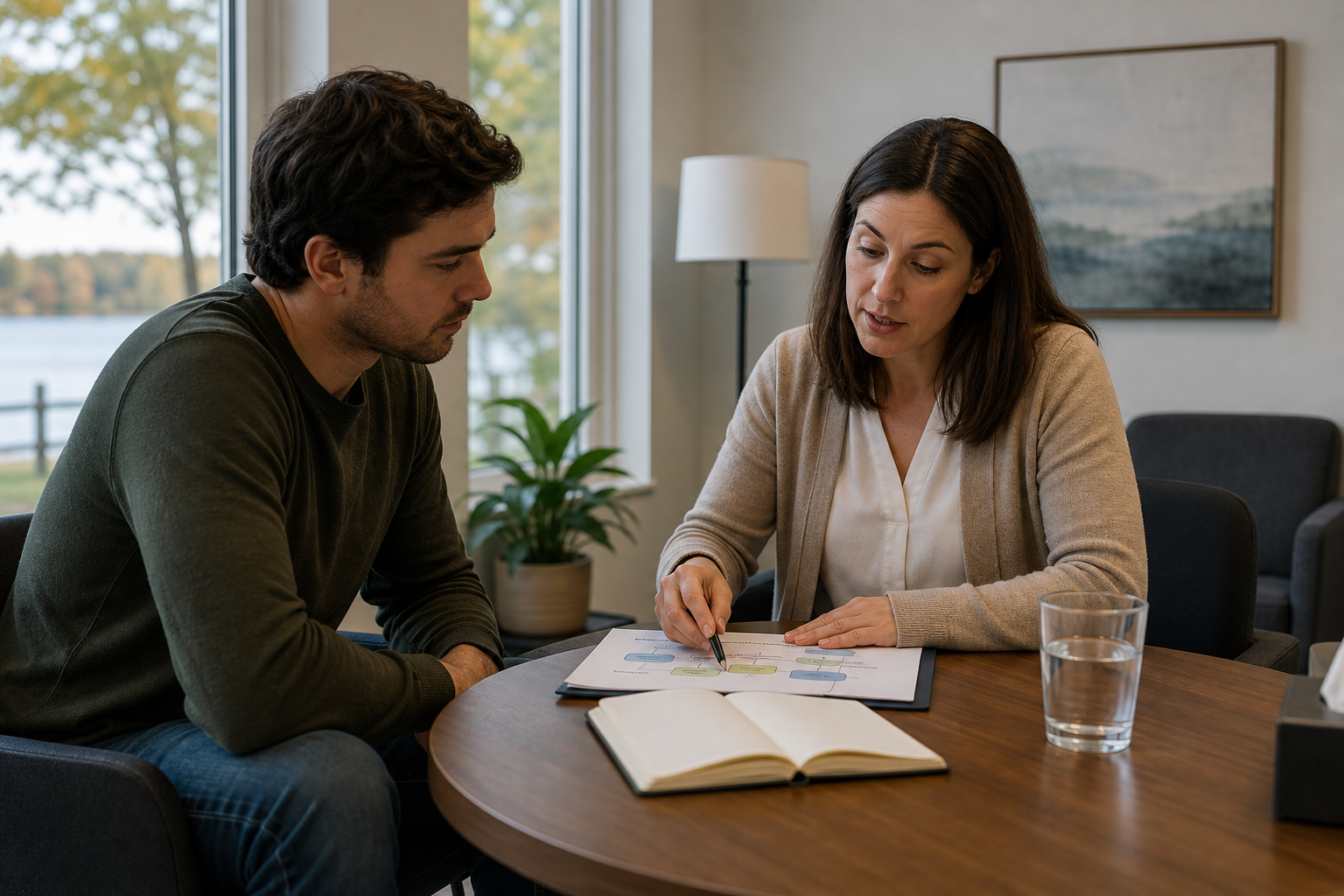
A first conversation does not need to solve everything. Its purpose may simply be to let the person know that you have noticed a concern, care about their safety, and are willing to help them explore options.
Choose a time when the person is as calm and sober as possible. Use observations such as, “I have noticed you have been missing work and seem unwell,” rather than accusations. Ask open questions, listen carefully, and avoid turning the conversation into an argument about whether they have an addiction.
Offer practical help without taking control. You might help write down questions for a clinic, arrange transportation if they want it, or sit with them while they complete an intake form. One conversation may not lead to treatment immediately, and respectful communication makes it easier to revisit the subject later.
Set boundaries while protecting your own wellbeing

Support does not require you to accept unsafe or damaging behaviour. A boundary describes what you will do to protect yourself and others. It is different from a threat intended to force someone into treatment.
- Money: Decide whether you will provide financial help and which expenses you are willing to cover.
- Substances at home: State what cannot be brought into the home, especially around children or vulnerable people.
- Transportation: Do not drive if you believe the person is impaired or doing so would create a safety risk.
- Communication: Pause conversations that become threatening, abusive, or unsafe.
- Childcare: Base plans on safety and reliability, not promises made during a crisis.
- Crisis situations: Decide in advance whom you will call if there is an overdose or immediate danger.
Boundaries work best when they are specific, realistic, and consistently followed. Families also need support of their own. A trusted friend, counsellor, family support service, or healthcare professional can provide space to discuss stress, fear, grief, and difficult decisions.
How family involvement and confidentiality may work
Addiction treatment belongs to the patient, so family participation generally depends on the patient’s consent and the clinic’s privacy requirements. A relative may be able to share observations with a care team, but that does not necessarily mean the clinic can disclose appointment details, medication information, or treatment progress in return.
Road To Recovery provides family resources as part of its addiction-care offering. These resources can help relatives understand how to support someone while recognizing that the clinical plan must be developed with the patient and care team.
Before asking to join a clinician’s conversation, discuss the idea with your loved one. Agree on what information may be shared, whether you will attend in person or virtually, and which questions you want answered. Without consent, you can still ask general questions about services and explain relevant safety concerns without expecting private patient information.
Treatment pathways families may discuss in Hamilton
The appropriate pathway depends on the substance involved, health, treatment goals, withdrawal risk, mental health, and ability to attend follow-up. An assessment is the right place to determine suitability. No single treatment works for everyone.
| Pathway | What to ask about | Important consideration |
|---|---|---|
| Opioid agonist therapy | Methadone, Suboxone, Sublocade, Kadian, monitoring, counselling, and follow-up | Medication selection and timing require clinical assessment. |
| Alcohol addiction treatment | Medical assessment, withdrawal planning, counselling, medication where appropriate, and follow-up | Stopping suddenly can be dangerous for some people with significant dependence. |
| Counselling and behavioural support | Individual support, relapse planning, coping strategies, and family participation | Support should match the person’s goals and readiness. |
| Mental health and addictions care | Assessment of anxiety, depression, trauma, and possible psychiatry referral | Coordinated care may be needed beyond addiction treatment alone. |
For opioid addiction, families may hear the broader term opioid agonist therapy, or OAT. Road To Recovery describes several medication options within personalized treatment planning. Families can review this guide to opioid addiction treatment options in Ontario and bring specific questions to a clinician.
Alcohol treatment may include medical assessment, counselling, medication-assisted treatment where appropriate, and ongoing follow-up. Families should not assume that abrupt alcohol cessation is safe without clinical guidance.
Cocaine, gambling, smoking, and co-occurring mental health concerns may require different forms of support. A clinician can help determine whether counselling, behavioural support, medication for related symptoms, medical monitoring, or a combination is appropriate.
When opioid treatment is part of the plan
A new opioid-treatment intake may involve a health history, substance-use history, current symptoms, risk assessment, and discussion of treatment goals. The clinician then determines which options are suitable and what follow-up is needed.
Road To Recovery describes a same-day intake process in which a new opioid-treatment patient is seen by a nurse and then a physician, subject to clinical assessment and suitability. This may reduce uncertainty at a stressful point, but families should confirm current arrangements directly with the clinic.
A short-term Suboxone bridge program may be discussed when someone needs rapid, medically supervised support while connecting with ongoing care. The family’s role is not to manage dosing or make medication decisions. It is to help the person attend appointments, follow clinical instructions, and communicate changes to the care team.
Some people may later discuss Sublocade, while others may be assessed for methadone, Suboxone, or Kadian. The choice should reflect clinical suitability, safety, preferences, and the person’s ability to follow the plan, not a family member’s preference alone.
What to ask an addiction clinic in Hamilton
- What happens during the first assessment, and what should the patient bring?
- Which opioid or alcohol treatment pathways does the clinic assess?
- Can a new opioid-treatment patient be assessed promptly, and what does same-day intake depend on?
- What counselling, behavioural support, or recovery guidance is available?
- How are mental health concerns assessed, and are psychiatry referrals available locally or virtually?
- With consent, can a family member attend part of an appointment or provide background information?
- How does the clinic handle confidentiality and communication with relatives?
- What follow-up is expected after the initial assessment?
- What should the patient or family do if symptoms worsen before the next appointment?
- Is there a Hamilton location or another access option that fits transportation and scheduling needs?
Families who want to prepare questions about medication monitoring and safety can review this overview of opioid agonist therapy protocols in Ontario. It supports a conversation with a clinician and does not replace an assessment.
Know when a situation needs urgent help
Call emergency services when someone is unresponsive, has severe difficulty breathing, appears to be having a seizure, has extreme confusion, or faces another immediate danger. If it is safe, remain with the person and follow emergency responders’ instructions.
Alcohol withdrawal requires particular caution. For someone with significant dependence, stopping suddenly can lead to serious symptoms, including seizures. Contact a healthcare professional about safe withdrawal planning rather than attempting to manage severe withdrawal at home.
Road To Recovery is an outpatient addiction treatment provider, not an emergency department. If you are unsure whether a situation is urgent, describe the symptoms clearly to emergency or medical professionals and follow their direction.
Hamilton and Ontario support options
A Hamilton outpatient clinic may be one part of a broader plan that includes family support, addiction treatment, mental health care, primary care, housing assistance, or community services. Road To Recovery offers family resources, opioid treatment options, alcohol treatment, and mental health and addictions support within its Ontario network.
For adults facing overlapping addiction, mental health, homelessness, or access barriers, Ontario’s HART Hub reference document describes the objectives of the Hamilton Urban Core HART Hub. This government-described resource is separate from Road To Recovery. Confirm access, eligibility, and referrals with the relevant service.
A practical checklist for the next 24 hours
- Check immediate safety. Seek emergency help for overdose, serious breathing problems, unresponsiveness, seizure, or immediate danger.
- Choose one calm conversation. Express concern and ask what help the person would consider.
- Write down treatment questions. Include assessment timing, medication, counselling, follow-up, confidentiality, and mental health support.
- Contact an appropriate service. Ask about current access arrangements rather than assuming eligibility.
- Agree on one practical boundary. Make it specific and explain how it protects safety.
- Arrange support for yourself. Identify one person or service to contact when the situation feels overwhelming.
Frequently asked questions
Can I speak with an addiction clinic about my loved one without permission?
You can ask general questions and share relevant safety information, but privacy rules may limit what the clinic can tell you. Ask the patient whether they consent to your participation or receiving updates.
What can I do if someone refuses treatment?
Keep communication open, offer practical information, set safety-based boundaries, and make clear that help remains available. You generally cannot force an adult into routine outpatient treatment. Seek urgent help if the person is in immediate danger.
What happens during a new opioid-treatment intake?
The patient may discuss substance use, health, symptoms, medications, and goals with the clinical team. Road To Recovery describes nurse assessment followed by physician review on the same day for new opioid-treatment intakes, subject to clinical assessment and suitability.
Can family members participate in treatment or counselling?
They may participate when the patient consents and the clinician believes it is useful. Families can ask about joint meetings, education, communication planning, and separate family resources.
When should a family member seek emergency help?
Seek emergency help for unresponsiveness, severe breathing problems, suspected overdose, seizures, extreme confusion, or another immediate threat to life or safety. For potentially serious alcohol withdrawal, contact medical professionals promptly.
Conclusion: support the person and the family
The most constructive family response combines empathy with limits. Listen without judgment, encourage professional assessment, respect consent and privacy, and avoid taking responsibility for decisions that belong to the person and clinical team. Protect children and household members, respond quickly to emergencies, and make space for your own support.
For families in Hamilton, the next step may be to write down concerns, discuss them with the person you are supporting, and contact an appropriate outpatient addiction service. Road To Recovery provides outpatient addiction treatment, family resources, and personalized support across Ontario, including Hamilton, with suitability determined through clinical assessment.
Recent Post
-
 October 23, 2026
Cocaine Outpatient Treatment Outcomes: What Progress Really Looks...
-
October 20, 2026
Family Resources for Addiction Recovery in Hamilton: Practical...
-
 October 19, 2026
How to Choose an Opioid Agonist Therapy Clinic...
-
 October 18, 2026
Kadian for Opioid Use Disorder: How Treatment Works...

You are Valued
Road to Recovery is an outpatient opioid detoxification center, with locations across Ontario.
- Confidential care
- Same-day support
- Personalized treatment