
A Suboxone bridge program is a short-term, medically supervised plan that starts buprenorphine/naloxone quickly and connects you to ongoing care. It reduces withdrawal and overdose risk between first contact and a regular clinic visit. For people across all over ontario, Road To Recovery provides same-day intake and rapid follow-up to make that bridge safe and seamless.
By Road To Recovery • Last updated: 2026-06-08
At a Glance
A Suboxone bridge program offers rapid, temporary buprenorphine care with scheduled follow-up, safety checks, and a clear handoff to ongoing treatment. It’s designed to minimize withdrawal, prevent relapse, and keep you engaged until your first full clinic appointment.
This quick overview highlights what matters most when you need help now and can’t wait for a standard appointment. Use it to understand timing, steps, and what Road To Recovery can do today.
- Definition: Short-term Suboxone (buprenorphine/naloxone) support that “bridges” to ongoing care
- Who it helps: People in withdrawal or at high risk who need same-day stabilization
- How it works: Screening, induction, check-ins, and handoff to a standing clinic visit
- Why it’s vital: Reduces withdrawal, overdose risk, and treatment drop-off
- Road To Recovery fit: Same-day nurse and physician access, judgment-free care, and multiple OAT options
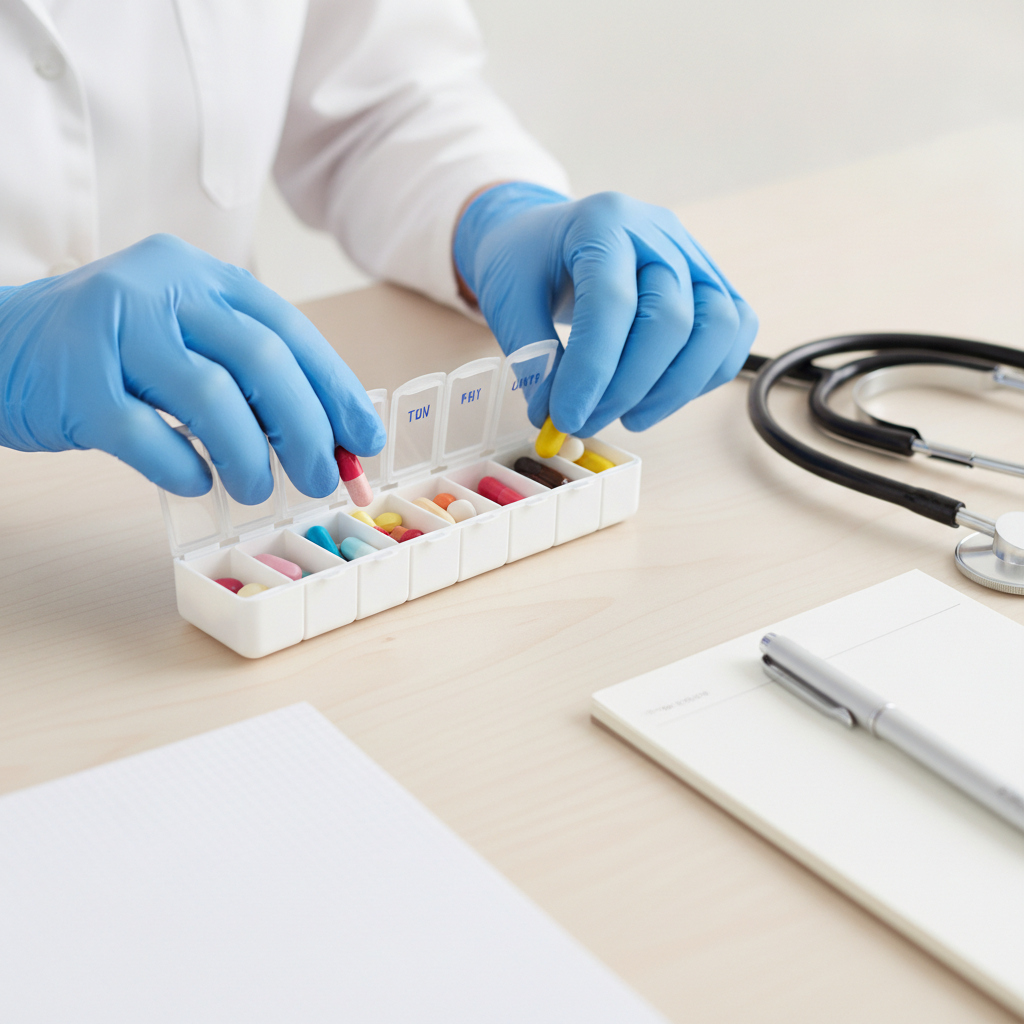
What Is a Suboxone Bridge Program?
A Suboxone bridge program is a time-limited plan to start buprenorphine safely, monitor early response, and connect you to long-term care. It fills the gap between first contact and your ongoing clinic, using brief prescriptions, check-ins, and a confirmed follow-up appointment.
Think of it as a safe on-ramp. The goal is to stabilize you fast, keep you engaged, and prevent avoidable harm during the first crucial days. That window can feel longest when you’re in withdrawal; the bridge shortens it.
- Core elements:
- Rapid eligibility screening and medical history
- Clear induction plan (home or observed) for buprenorphine/naloxone
- Brief prescription with explicit safety guidance
- Planned check-ins (virtual or in person)
- Confirmed handoff to ongoing Suboxone care
- Who typically qualifies:
- People in moderate withdrawal who can start buprenorphine safely
- Those transitioning from short hospital/ER visits who need follow-up
- Individuals who tried abstinence, feel at risk, and want medication support
At Road To Recovery, new opioid addiction intakes are seen by a nurse and then a physician the same day they start. That operational design mirrors the best parts of bridge models—fast stabilization and a warm handoff to ongoing care.
Why a Bridge Program Matters in Early Recovery
Early recovery is fragile. A Suboxone bridge program lowers withdrawal stress, reduces overdose risk, and improves follow-through by scheduling care immediately. It replaces gaps with structure—clear instructions, rapid feedback, and a firm date for ongoing treatment.
When minutes feel like hours, structure helps. A bridge replaces uncertainty with a practical plan. It’s especially helpful when weekend schedules, travel, or childcare make a traditional first visit hard to secure in time.
- Prevents “care gaps”: Like an actual bridge, it connects two points—your first contact and your clinic start—so you’re not left without support.
- Safety-first: Early buprenorphine can blunt withdrawal and cravings, which are common triggers for high-risk use.
- Momentum matters: Same-day steps keep motivation alive. Road To Recovery’s reduced wait times and same-day team access are built for that momentum.
- Family impact: Loved ones get a plan to rally around, with clearer expectations and resources.
We’ve found that when people have a written plan, a check-in, and a booked appointment, they’re far more likely to stick with treatment. The bridge model delivers all three, on purpose.
How a Suboxone Bridge Works: Step-by-Step
A Suboxone bridge follows a simple sequence: triage, induction, stabilization, and handoff. You start buprenorphine, complete one or two safety check-ins, then transition to your ongoing clinic visit with a documented plan and prescriptions aligned to that visit.
Here’s the flow you can expect with Road To Recovery. Timelines vary, but the goal is speed with safety—moving from first contact to stable follow-up without gaps.
- Same-day triage: Nurse-led intake, medical history, current substance use, medication list, and allergy check.
- Induction plan: Clinician outlines home or observed start, timing relative to last opioid use, and symptom targets.
- First doses + education: What to watch for, how to adjust with guidance, and when to call.
- Check-in #1 (24–48 hours): Virtual or in-person review of symptoms, cravings, sleep, and side effects.
- Stabilization window: Tweak doses as needed; confirm follow-up logistics and supports (transport, childcare).
- Handoff visit: Your first full clinic appointment—treatment plan, prescriptions, and support services.
| Bridge Phase | Main Goal | What You’ll Do | Road To Recovery Fit |
|---|---|---|---|
| Triage | Rapid eligibility | Brief health screen, history, risks | Same-day nurse + physician intake |
| Induction | Start safely | Begin buprenorphine with clear timing | Evidence-based Suboxone program |
| Check-ins | Stabilize | Adjust dosage; monitor symptoms | Flexible virtual or in-clinic follow-up |
| Handoff | Continue care | Attend first full visit | Direct booking into ongoing OAT |
If you prefer to start virtually, our online Suboxone care supports telehealth check-ins without sacrificing safety. That flexibility matters in early recovery.
Types of Bridge Models (and When Each Works Best)
Common Suboxone bridge models include ER-to-outpatient handoffs, telemedicine bridges, and outpatient clinic bridges. The best model is the one that starts today, offers clear follow-up, and fits your schedule, transportation, and safety needs.
Different paths work for different lives. Here’s a practical comparison to help you choose your next step with confidence.
| Model | Best For | What It Looks Like | Pros | Considerations |
|---|---|---|---|---|
| ER-to-Outpatient Bridge | People who present in withdrawal or after overdose | Buprenorphine initiated in ER; appointment booked before discharge | Immediate start; strong safety net | Follow-through depends on transport/availability |
| Telemedicine Bridge | Patients with travel, mobility, or work barriers | Virtual intake and check-ins; pharmacy coordination | Convenient; privacy at home | Requires reliable phone/internet access |
| Outpatient Clinic Bridge | Individuals near a clinic ready to start today | Same-day triage; clinic induction; rapid handoff | In-person support; exam when needed | Clinic hours and travel time matter |
Road To Recovery operates outpatient clinics across Ontario and coordinates virtual options, so you’re not locked into a single path. Your safety, schedule, and preferences guide the choice.

Best Practices for a Safe Start on a Suboxone Bridge
Start when you’re in adequate withdrawal, follow your induction plan exactly, and keep your first check-in. Use one prescriber and one pharmacy, secure medications, and commit to the scheduled handoff appointment.
The right details prevent detours. These practices come up again and again in successful bridge experiences we see across our clinics.
- Time induction wisely: Starting too early can trigger discomfort. Your clinician will guide timing from last opioid use.
- Don’t go it alone: Share the plan with a trusted person. Ask them to help you keep the first follow-up.
- Use one pharmacy: Consistent dispensing and pharmacist feedback reduce confusion and support safety.
- Document symptoms: Note cravings, sleep, GI symptoms, and mood before check-ins—it speeds fine-tuning.
- Lean on virtual options: If travel is a barrier, use our telemedicine Suboxone options to keep momentum.
- Keep medications secure: Store out of children’s reach; follow instructions exactly.
- Ask about next steps: During your handoff visit, confirm ongoing OAT choices (Suboxone, Methadone, Sublocade, Kadian).
We emphasize clarity. Patients who receive step-by-step written instructions and know when their next contact is scheduled tend to stabilize faster and feel more in control.
Tools and Resources That Make Bridging Easier
Use written plans, symptom trackers, virtual check-ins, and pharmacy coordination to simplify your bridge. Pair these tools with a scheduled handoff date and a single clinical team to keep momentum strong.
We’ve built our process to reduce friction. Here are resources and references that mirror the structure patients find most helpful.
- Road To Recovery programs: Our Suboxone program and buprenorphine effectiveness guide explain how long-term care works after the bridge.
- Financial and access help: To reduce barriers while you stabilize, see our Suboxone assistance information.
- Education examples: Patient education pages can clarify complex steps. See an example of a detailed FAQ layout here: thorough FAQ structure.
- Analogies help learning: A dental bridge connects two teeth; a treatment bridge connects two points of care. For a plain-language explainer of “bridges,” consider this simple bridge explainer.
- Aftercare mindset: Good aftercare checklists keep you on track—see how clear sequencing looks in this aftercare example and apply the same structure to your medication plan.
- Virtual care options: Our online Suboxone care supports video and phone follow-ups when travel is tough.
If you’re also considering long-acting buprenorphine later, bookmark our overview of Sublocade doctors and how injections can reduce daily decision fatigue down the road.
Case Studies and Real-World Scenarios
Bridge programs work because they combine speed with structure. These brief scenarios show how same-day triage, early follow-up, and a confirmed handoff reduce risk and keep people engaged in care.
Names and details are generalized for privacy, but the patterns reflect what we see in clinics across Ontario.
- Work schedule barrier: A patient couldn’t miss a shift. Our nurse conducted same-day triage over the phone, arranged a home induction that evening, and booked a virtual check-in the next morning before work. The handoff visit was scheduled on the patient’s day off. Result: smooth start and no lost wages.
- Family care logistics: A parent needed childcare covered. We created a written induction and coordinated a mid-day pharmacy pickup while a relative watched the kids. The first check-in happened during nap time by phone. Result: stress managed, plan maintained.
- Switching medications: Another person had tried daily-dose methadone previously but preferred buprenorphine for flexibility. The bridge stabilized them on Suboxone, then the ongoing plan explored whether staying on Suboxone or revisiting long-acting options made sense later.
- Considering long-acting options: A patient worried about carrying medication while traveling. After a successful bridge, they met with our team to discuss injections with providers listed in our Sublocade doctors guide.
- Telehealth-first start: Rural travel made in-person visits hard. Using our online Suboxone options, they completed induction and check-ins virtually, then attended the first full clinic visit when transportation became available.
Common thread: fast, flexible structure. The bridge kept each person anchored until ongoing care took over.
Local considerations for all over ontario
- Weather and travel vary widely across Ontario. If roads or transit are uncertain, choose a telemedicine bridge now and an in-clinic handoff later.
- Holiday and weekend schedules can delay routine booking. Use same-day triage to start safely and lock in your first full visit for the next business day.
- If you support a family member, ask for written steps and a check-in time that fits school or work routines—our teams coordinate around real-life schedules.
Need to start today? Our teams across Ontario offer same-day nurse triage and physician assessment for new opioid addiction intakes. Reach out to explore a bridge plan that fits your life.
How a Bridge Fits with Methadone, Sublocade, and Kadian
A Suboxone bridge stabilizes you now and keeps future options open—methadone, long-acting buprenorphine (Sublocade), or Kadian—based on your goals and history. Your first full visit is where we calibrate the long-term plan.
OAT isn’t one-size-fits-all. The bridge simply gets you to that first tailored decision safely.
- Methadone: Works well for some; requires structured dispensing. Bridge now, then discuss if it aligns with your needs.
- Sublocade (long-acting buprenorphine): Reduces daily decisions. A bridge can start on Suboxone first, then transition when appropriate; see our Sublocade doctors overview.
- Kadian: Another medication option offered within our network, considered based on clinical history and goals.
- Staying on Suboxone: Many people continue on Suboxone after a bridge because it fits work, parenting, or travel.
At Road To Recovery, your ongoing plan is personalized. The bridge ensures you arrive at that decision point stabilized and supported.
Common Pitfalls (and How to Avoid Them)
The biggest pitfalls are missed check-ins, unclear dosing, and pharmacy confusion. Avoid them by using written instructions, one prescriber/pharmacy, and calendar reminders for your first clinic visit.
Early days are busy. These quick checks prevent the small stumbles that can snowball.
- Missed first follow-up: Book it before you start. Share the time with a support person.
- Unclear dose changes: Don’t self-adjust without guidance. Keep notes and ask at check-in.
- Multiple prescribers/pharmacies: Stick with one to avoid duplication or conflicting instructions.
- Transportation surprises: If travel is an issue, set up virtual care through our online Suboxone program.
- No written plan: Request printed or digital steps; they reduce anxiety and errors.
We encourage patients to treat the bridge like a short project with a clear finish line: the handoff visit. When you plan backward from that date, small tasks fall into place.
Bridge Program Checklist You Can Use Today
Write down your induction timing, pharmacy location, check-in date/time, and handoff appointment. Pack your medication list, ID, and any naloxone kit you have. Share the plan with a support person.
Here’s a simple list you can copy into your phone notes or print.
- Today’s induction window (time since last opioid)
- Where you’ll be for the first dose(s)
- Pharmacy name and hours
- Check-in date, time, and format (video/phone/clinic)
- Handoff appointment date and location
- Medication/allergy list and ID ready
- Support person who knows the plan
- Transportation plan (or confirm telehealth)
Pro tip: Use the same checklist after your handoff visit to track ongoing medications and supports. Structure keeps recovery predictable.
Frequently Asked Questions
A Suboxone bridge answers common early-care questions: when to start, how follow-ups work, and how it connects to your long-term plan. These concise Q&As cover what most people ask in the first week.
How fast can I start a Suboxone bridge?
With Road To Recovery, new opioid addiction intakes are triaged by a nurse and seen by a physician the same day they start. Induction timing depends on your last opioid use and withdrawal level; your clinician will confirm the safest window.
Is a bridge program Suboxone plan only virtual, or can it be in person?
It can be virtual, in person, or a mix. Many patients begin with telemedicine check-ins and complete their handoff at a clinic visit. We’ll tailor the path to your transportation, work, and safety needs.
Will I stay on Suboxone after the bridge?
Many people do, because it fits work and family routines. Others later transition to long-acting buprenorphine (Sublocade), methadone, or Kadian. Your first full visit is where we confirm the long-term plan together.
What if I miss my first check-in?
Call us as soon as possible. We’ll rebook quickly to keep the bridge intact. Consider using calendar reminders and sharing the schedule with a trusted person to prevent future misses.
Key Takeaways
A bridge program Suboxone plan stabilizes you now and connects you to sustained care. Act fast, follow the written plan, and keep the first handoff appointment—those three habits drive success.
- Bridge = fast start + planned handoff
- Same-day intake reduces risk and builds momentum
- Virtual options prevent travel from derailing progress
- Use one prescriber and pharmacy for clarity
- Arrive at your first full visit stabilized and ready for a tailored plan
Conclusion
If you’re ready to start, a Suboxone bridge program gives you a safe on-ramp today. Road To Recovery provides same-day triage, clear instructions, and a confirmed handoff to ongoing care across Ontario.
Here’s what to do next:
- Contact our team for same-day intake and a personalized induction plan.
- Choose virtual or clinic check-ins based on your schedule.
- Lock in your first full visit and bring your medication list.
Ready to begin? Explore our Suboxone program and recovery options. When you’re set, book a handoff appointment and start building momentum—one well-planned step at a time.
Final CTA: Start your bridge today with a same-day intake across Ontario. Visit Road To Recovery to get started.



You are Valued
Road to Recovery is an outpatient opioid detoxification center, with locations across Ontario.
- Confidential care
- Same-day support
- Personalized treatment