
Family resources addiction recovery support refers to practical tools, education, and coordinated services that help loved ones guide someone through treatment and long-term recovery. It includes communication plans, safety steps, relapse prevention strategies, and connections to outpatient care like Methadone or Suboxone programs, counseling, and psychiatry referrals.
By Road To Recovery • Last updated: April 10, 2026
Start Here: What You’ll Learn (Above the Fold)
Use this guide to organize family support fast. You’ll get a step-by-step playbook, downloadable-style checklists, and scripts to talk about treatment, plus crisis and relapse plans. We align every step with outpatient care options like Methadone, Suboxone, and psychiatry referrals available through Road To Recovery clinics across Ontario.
- Who this is for: Families supporting someone with opioid, alcohol, cocaine, or gambling addiction; caregivers seeking judgment-free, confidential guidance.
- Primary outcome: Build a family plan that fits outpatient medication-assisted treatment (MAT) and mental health support.
- Use this when: You need structure today—before, during, or after starting treatment.
- How it helps: Reduces confusion, shortens the time to care, and improves safety at home.
Quick Summary
- Immediate actions: Agree on one communication channel, remove high-risk triggers at home, and schedule an intake or check-in.
- Evidence-based care: Medication-assisted treatment (Methadone, Suboxone, Sublocade, Kadian) improves retention and reduces overdose risk when paired with counseling.
- Family role: Support logistics (rides, reminders), reinforce boundaries, and co-create a relapse response plan.
- Where to start: Contact Road To Recovery for same-day intake for opioid addiction treatment, or request psychiatry referrals coordinated locally or virtually.
Quick Answer
Family resources addiction recovery support works best when families pair clear communication, safety steps, and boundaries with outpatient treatment. Road To Recovery’s Ontario clinics offer same-day opioid intake, medication options, and psychiatry referrals—so your plan connects to care immediately.
Local Tips
- Tip 1: If you’re near Toronto (St. James Town or Yonge & Dundas), plan travel during mid-mornings to avoid subway rush. Bring a photo ID and a current medication list to speed up intake.
- Tip 2: In winter across Ontario, pad extra time for weather and parking near clinics like Barrie or Hamilton. Have a phone charger and a water bottle for longer consults.
- Tip 3: When coordinating psychiatry referrals (local or virtual), ask about CAMH/OTN scheduling windows so your therapy sessions don’t conflict with medication pick-ups.
IMPORTANT: These tips support outpatient visits and coordination with Road To Recovery’s multi-location network across Ontario.
What Is Family Resources Addiction Recovery Support?
Family resources for addiction recovery support are structured tools, education, and services that help loved ones stabilize crises, start evidence-based care, and sustain recovery. They include plans, scripts, checklists, and local clinic options that align with medication-assisted treatment and mental health referrals.
- Core components:
- Communication frameworks (scripts, boundaries, meeting cadence)
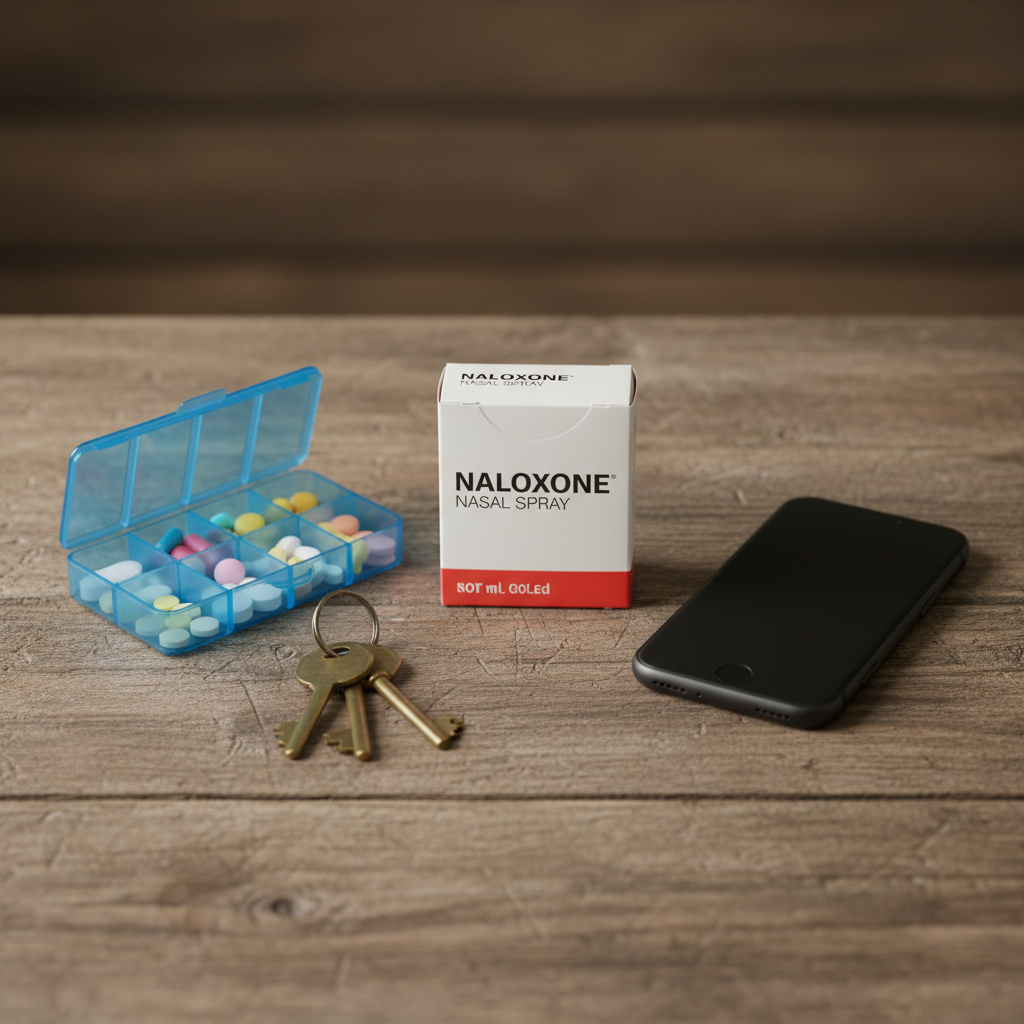
- Safety and overdose prevention steps (e.g., naloxone education)
- Relapse prevention and response plans tailored to triggers
- Connection to outpatient care (Methadone, Suboxone, Sublocade, Kadian)
- Mental health and psychiatry referrals coordinated locally or virtually
- Why it exists:
- Families often carry the logistics (rides, reminders, pharmacy coordination).
- Clear structure lowers conflict and improves follow-through.
- Alignment with clinical care reduces risk and supports momentum.
- Road To Recovery fit:
- Same-day opioid intake (nurse then physician) reduces delays.
- Multiple MAT options in one network streamline decisions.
- Psychiatry referrals (CAMH/OTN partners) advance mental health care.
Families ask, “Where do we begin?” Start by choosing one primary contact, one shared calendar, and one clinic pathway. That simplification immediately cuts friction and helps the person you love enter care with less stress.
Why Family Support Matters (Backed by Evidence)
Family involvement increases treatment engagement, improves medication adherence, and lowers relapse risk. When families coordinate logistics, reinforce boundaries, and integrate counseling, outcomes improve—especially in outpatient models that combine medication-assisted treatment with mental health support.
- Engagement and retention:
- Consistent family check-ins correlate with higher clinic attendance over time.
- Transportation and reminder support reduce missed doses and visits.
- Safety and overdose risk:
- Having naloxone and a clear emergency script can save lives.
- Home trigger reduction (secure storage, substance-free areas) supports stability.
- Mental health synergy:
- Coordinated psychiatry and counseling reduce conflict drivers and improve coping skills.
- Family sessions clarify boundaries and set shared expectations.
In our experience across Ontario, families who co-create a simple, written plan are more likely to complete same-day intakes and sustain early recovery milestones. That early traction builds confidence and reduces crisis frequency.
How Family-Centered Support Works Day to Day
Family-centered support turns recovery into a daily routine: one communication channel, one shared calendar, predictable clinic visits, and a brief weekly check-in. When this routine links to outpatient medication and counseling, momentum builds and risks drop.
- Daily rhythm:
- Morning: quick “plan for today” text; medication reminders if needed.
- Afternoon: confirm transportation for clinic or pharmacy.
- Evening: 5-minute debrief and next-day preview.
- Weekly cadence:
- One 20–30 minute family meeting (agenda + action items + gratitude).
- Check upcoming clinic appointments and refill timelines.
- Review triggers and adjust home safety list.
- Clinic alignment:
- Pair visits with counseling or psychiatry referrals when indicated.
- Ask the care team how family can support adherence and coping.
Families should keep plans portable and visible. A shared calendar and a short printed checklist on the fridge ensure everyone knows the next steps—especially helpful during stressful weeks.
Types of Resources and Approaches Families Can Use
Use a mix of communication tools, home safety steps, structured clinic pathways, and relapse response plans. Combining these approaches creates redundancy and resilience, so one hard day doesn’t derail the whole recovery effort.
Communication and Boundaries
- “I” statement scripts: “I’m worried when I don’t hear from you. Let’s text by 9 p.m.”
- Boundaries map: What support we can give (rides, meals) and what we can’t (cash).
- Meeting cadence: Weekly 20-minute review with a short agenda.
- Escalation rules: When silence or risky behavior triggers a welfare check.
Home Safety and Harm Reduction
- Naloxone readiness: Store accessibly; rehearse the steps twice a year.
- Secure storage: Lockboxes for medications; remove expired or unsecured substances.
- Trigger control: Alcohol-free zones; limit high-conflict conversations late at night.
- Environment cues: Calming lighting and routines around meals and sleep.
Clinical Pathways (Road To Recovery)
- Opioid Agonist Therapy (OAT): Methadone, Suboxone, Sublocade, or Kadian as appropriate.
- Mental health integration: Psychiatry referrals arranged locally or virtually via partners.
- Other programs: Alcohol, cocaine, gambling, and smoking cessation support.
- Access model: Same-day nurse and physician assessment for new opioid intakes.
Relapse Prevention and Response
- High-risk map: Dates/places/people; plan small substitutions for each trigger.
- Early-warning signals: Missed calls, isolating, appetite/sleep changes.
- Rapid response: Message script, pickup plan, clinic/pharmacy check, safety check.
- After-action review: What worked; one change we’ll try; one gratitude note.
Best Practices Families Can Put in Place This Week
Keep it simple: one channel, one calendar, one weekly meeting, and one-page plans for crisis and relapse. Pair these habits with outpatient medication and counseling to protect momentum and lower risk.
- Set one communication channel:
- Create a group text with “Morning check-in” and “Home safe” templates.
- Agree on response windows (e.g., respond within two hours unless at work).
- Use a shared calendar:
- Color-code clinic visits, counseling, pharmacy refills, and family meetings.
- Add travel time and a backup ride contact for each visit.
- Write a one-page crisis plan:
- Red flags, who to call, where naloxone is, and who watches kids/pets.
- Keep one copy on the fridge; one in a phone’s notes app.
- Boundaries everyone understands:
- Support in-kind (meals, rides) rather than cash when possible.
- Short, respectful “no” scripts for requests outside boundaries.
- Connect to evidence-based care:
- Ask about Methadone, Suboxone, Sublocade, or Kadian options.
- Request psychiatry referrals if mood, trauma, or anxiety complicate recovery.
For a deeper dive into medication approaches and long-term support, see our overview of options in opioid use disorder recovery and the benefits detailed in medication-assisted treatment.
Tools, Checklists, and Templates You Can Copy
Turn ideas into action with ready-to-use scripts, checklists, and meeting agendas. Print them, save to your phone, and review weekly so the whole family pulls in the same direction.
Daily Check-In Script
- “Morning plan?” (rides, appointments, meals)
- “Any triggers today?” (people/places)
- “Backup if plans change?” (who to call)
- “Tonight’s check-in time?”
Home Safety Checklist
- Naloxone stored accessibly and everyone knows where it is.
- Lockbox for medications; remove expired or unsecured substances.
- Quiet space identified for cool-down or craving waves.
- List of three safe activities (walk, shower, stretch) on the fridge.
Weekly 20-Minute Family Meeting Agenda
- Wins since last week (even small).
- Schedule review (visits, refills, therapy).
- Roadblocks (transportation, sleep, work shifts).
- One tweak we’ll try this week.
- Gratitude round (one sentence each).
Relapse Response Plan (One Page)
- Early signs we watch for and who notices.
- How we’ll message (exact script) and where we’ll meet.
- When we involve the clinic team; how to request a sooner visit.
- Post-incident debrief, no-blame, and next-step adjustments.
If substance use co-occurs with mental health symptoms, pair these tools with integrated care. Our dual diagnosis guide explains how coordinated support reduces crises and confusion.

Comparing Treatment-Linked Family Support Options
Match your family’s capacity to the right clinical supports. Outpatient OAT with counseling is often the fastest, most sustainable path, while psychiatry referrals address mood, anxiety, and trauma that commonly complicate recovery.
| Option | What Families Do | Best For | Considerations |
|---|---|---|---|
| Methadone Program (OAT) | Coordinate rides, pharmacy schedule, support routines | Severe opioid dependence needing daily structure | Ask about take-home eligibility as stability improves |
| Suboxone® Program (OAT) | Help with early induction support and check-ins | Patients preferring partial agonist profile | Follow dosing guidance; watch for interactions |
| Sublocade® (monthly) | Reminders for injection dates, logistics | Those who benefit from monthly medication consistency | Confirm appointment windows and transportation |
| Kadian® Program | Support adherence, monitor side-effect questions | Clinically indicated alternatives within OAT | Discuss adjustments with clinic team as needed |
| Mental Health & Psychiatry Referrals | Help schedule, attend, and reinforce coping skills | Co-occurring mood, anxiety, or trauma symptoms | Coordinate with OAT to avoid conflicts |
| Counseling & Recovery Groups | Provide space, time, and transportation | Skills building and community connection | Pair with OAT for stronger outcomes |
To understand how these options work together in practice, explore our ongoing counseling support guide and our overview on recovery options.
Case Examples: What Works for Real Families
Small, consistent actions compound. Families that align logistics, boundaries, and clinic care see steadier engagement, fewer crises, and clearer roles—especially in the first 90 days of recovery.
- Toronto, St. James Town: Parent set a daily 8 a.m. text; patient completed same-day intake and three weeks of consistent visits.
- Toronto, Yonge & Dundas: Sibling handled pharmacy reminders; missed doses dropped dramatically.
- Barrie (Central): Weekend calendar review reduced appointment conflicts with shift work.
- Barrie (Downtown): Grandparent kept naloxone visible; family rehearsed steps quarterly.
- Brampton: Cousin provided rides for the first two weeks; patient switched to bus route afterward.
- Brantford: Roommate agreement banned alcohol from shared spaces; tension eased.
- Hamilton: Couple used 20-minute Sunday meetings; arguments shortened and solutions improved.
- Newmarket: Aunt tracked therapy and OAT appointments in a shared calendar.
- Orillia: Adult child posted crisis plan on the fridge; everyone knew roles.
- Sault Ste. Marie: Neighbor checked in twice weekly; patient reported fewer lonely evenings.
- Virtual psychiatry (Ontario-wide): Tele-consults aligned with injection days to minimize time off work.
- Smoking cessation add-on: Replaced late-night cigarettes with 10-minute stretches and tea.
- Alcohol program: Family removed triggers from events; substituted mocktails at gatherings.
- Cocaine program: Replaced high-risk social venues with daytime family activities.
- Gambling program: Partner installed device-level blocks; reduced urges at night.
Notice the pattern: logistics, boundaries, and one-page plans—all connected back to an outpatient pathway—drive consistency without becoming overwhelming.
Frequently Asked Questions
Families often ask how to start, what to say, and how to respond to setbacks. Clear scripts, one-page plans, and clinic-aligned routines answer most of these questions and reduce stress for everyone involved.
How do we start the conversation without pushing too hard?
Lead with care and curiosity. Use “I” statements, ask what support helps today, and propose one next step such as a clinic call or brief intake. Keep it short, avoid debates when emotions run high, and agree to revisit the plan at a calm time.
What’s the fastest way to connect our plan to treatment?
Use Road To Recovery’s same-day opioid intake pathway and ask about Methadone, Suboxone, Sublocade, or Kadian. Request mental health referrals if anxiety, mood, or trauma patterns appear. Align calendars so medication, therapy, and family meetings reinforce each other.
How can we prepare for a potential relapse?
Write a one-page response plan with early warning signs, clear scripts, pickup points, and when to involve the clinic. Keep naloxone at home and rehearse steps. After any incident, hold a no-blame debrief focused on one change to try next.
What if our loved one refuses help?
Set and hold respectful boundaries. Offer in-kind support (meals, rides) and information about outpatient options. Keep the door open for a future conversation and maintain your own support network so you can stay consistent.
How do we balance support with our own self-care?
Share responsibilities, schedule breaks, and set realistic expectations. Use brief family meetings to align roles. When needed, request counseling or psychiatry referrals to address caregiver stress, which can improve the quality of support you provide.
Conclusion and Next Steps
Build a simple, durable support system: one channel, one calendar, weekly meetings, and one-page plans tied to outpatient care. This structure improves safety and treatment follow-through—and it’s realistic for busy families.
- Key Takeaways
- Family resources addiction recovery support works best when connected to evidence-based outpatient care.
- Consistency beats intensity—choose routines your family can sustain.
- Document crisis and relapse plans so roles are clear before stress rises.
- Ask about OAT medications and psychiatry referrals to address the full picture.
- Action Steps
- Pick a primary contact and create a shared calendar today.
- Draft the one-page crisis and relapse plans and put them somewhere visible.
- Book an intake or follow-up with Road To Recovery and bring your written plan.
Talk With a Clinician
Our Ontario clinics offer same-day intake for opioid addiction treatment, plus counseling and psychiatry referrals. Bring your family plan—we’ll help you refine it and connect it to care.
Recent Post
-
 October 23, 2026
Cocaine Outpatient Treatment Outcomes: What Progress Really Looks...
-
 October 20, 2026
Family Resources for Addiction Recovery in Hamilton: Practical...
-
 October 19, 2026
How to Choose an Opioid Agonist Therapy Clinic...
-
 October 18, 2026
Kadian for Opioid Use Disorder: How Treatment Works...

You are Valued
Road to Recovery is an outpatient opioid detoxification center, with locations across Ontario.
- Confidential care
- Same-day support
- Personalized treatment