
Mental health and addictions programs support people dealing with substance use, mental health concerns, or both. Depending on the person’s needs, care may include counselling, medication, withdrawal management, harm reduction, psychiatric referrals, family support, and ongoing follow-up.
The important decision is not simply which program has the longest list of services. It is whether the provider can offer the right level of care for your safety, substance use, mental health needs, goals, and preferred location. In Ontario, that may mean coordinated outpatient treatment, a higher level of withdrawal or hospital care, or urgent help when someone cannot remain safe.
Quick summary

- Mental health and addictions programs may combine medical care, counselling, withdrawal support, harm reduction, referrals, and family resources.
- Integrated or dual-diagnosis care addresses mental health and substance use together instead of treating them as unrelated problems.
- Outpatient care involves scheduled support while you live at home. It is different from inpatient, emergency, or crisis care.
- Opioid agonist therapy, including methadone, buprenorphine/naloxone, and slow-release oral morphine, is discussed and prescribed based on clinical assessment.
- Immediate danger, suspected overdose, severe withdrawal, or suicidal thoughts require urgent emergency or crisis support rather than routine intake.
What mental health and addictions programs can include
The phrase “mental health and addictions programs” describes a broad group of services rather than one standard treatment. Ontario identifies potential components such as addictions treatment, withdrawal management, counselling, therapy, crisis response, peer and family support, case management, and specialized assessment. Availability varies by provider, location, eligibility, and clinical need. Ontario’s mental health and addictions system overview explains how these services can fit together.
A program may focus mainly on one concern, such as alcohol or opioid use, or it may coordinate several forms of support. For example, someone may need medication for opioid use disorder, counselling for trauma-related symptoms, and a psychiatry referral. Another person may primarily need help with drinking, sleep, anxiety, or relapse triggers.
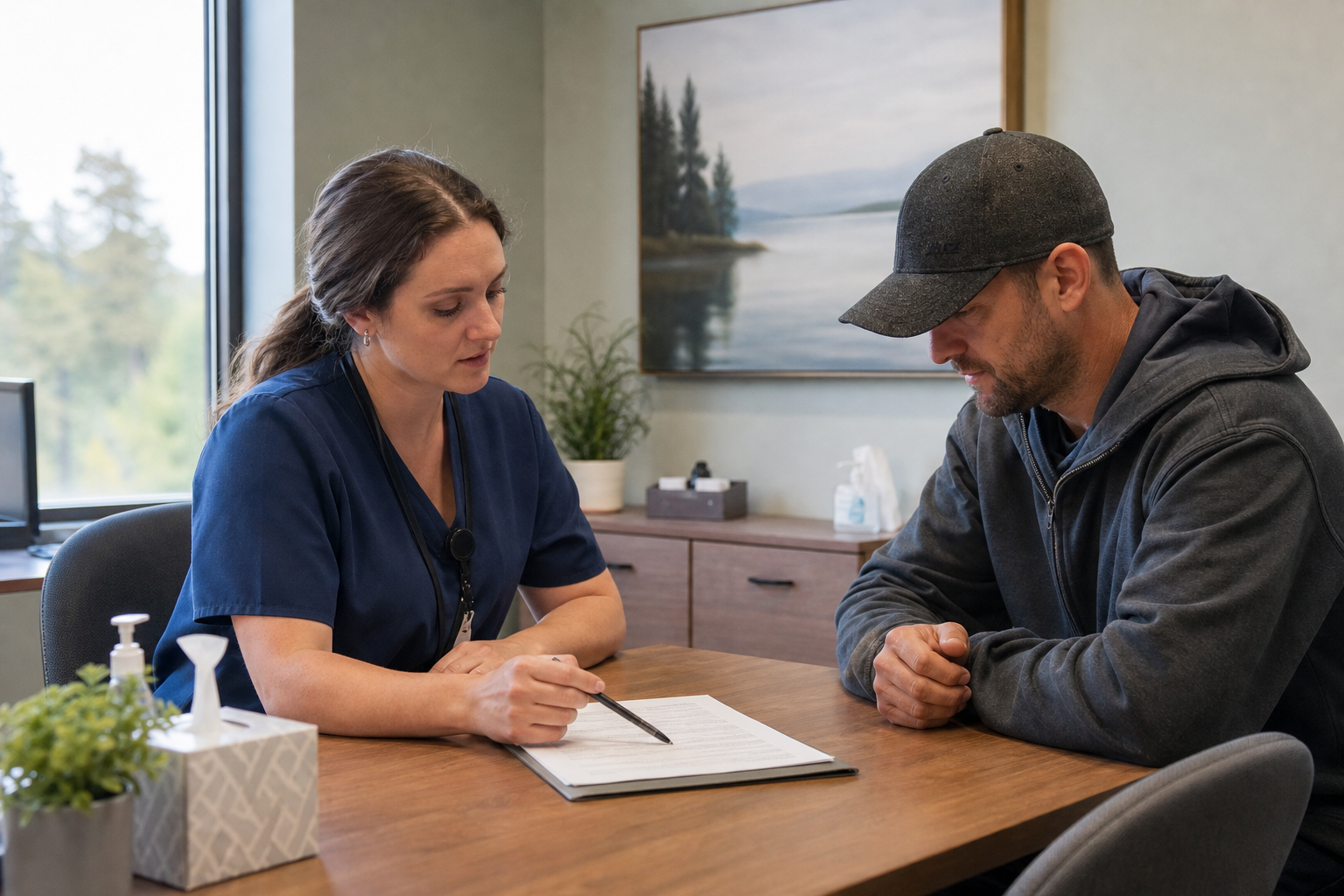
Road To Recovery describes its services as confidential, judgment-free outpatient care with personalized treatment plans. Its mental health and addictions programs address mental health and substance use together, while its broader services include support for opioid, alcohol, cocaine, gambling, and tobacco-related concerns.
Why mental health and substance use are often treated together

Mental health symptoms and substance use can influence one another. Anxiety, depression, trauma, sleep problems, or mood changes may make substance use harder to manage. Substance use can also affect mood, concentration, relationships, and daily routines.
When both concerns are present, treating only one may leave an important part of the situation unaddressed. Integrated mental health care can bring assessment, addiction treatment, counselling, and referrals into one coordinated plan, when that approach is clinically appropriate.
Integrated care does not mean every person receives every service from the same clinician or location. It may involve an outpatient addiction provider coordinating with a family doctor, therapist, psychiatrist, hospital, or community service. The practical goal is to make the plan easier to understand and reduce gaps between different parts of care.
Comparing the main types of support
Before choosing a program, ask what each service is intended to do and whether it matches your current needs.
| Type of support | What it may address | Questions to ask |
|---|---|---|
| Counselling and therapy | Cravings, coping skills, emotions, relationships, trauma, routines, and behavior change | What counselling is available, who provides it, and how often can sessions occur? |
| Medication treatment | Withdrawal, cravings, or specific substance-use conditions when medication is clinically suitable | Which medications are considered, what monitoring is required, and what alternatives exist? |
| Withdrawal management | Assessment and support during withdrawal, including decisions about whether outpatient care is safe | How is withdrawal risk assessed, and where are patients referred if more monitoring is needed? |
| Harm reduction | Reducing immediate risks while a person considers or continues treatment | What safety education, supplies, or safer-use supports are available? |
| Psychiatry referrals | Assessment or treatment of mental health conditions requiring specialized consultation | Can referrals be arranged locally or virtually, and how will information be shared? |
| Ongoing recovery guidance | Follow-up, treatment adjustments, routines, and continuing support after assessment | How often are follow-ups scheduled, and who should be contacted if needs change? |
| Family support | Education, communication, boundaries, and guidance for people supporting a loved one | Can family members access resources while the patient’s privacy is respected? |
Ontario’s public system describes support as including doctors, helplines, therapy, and HART Hub services. A suitable starting point may therefore be a clinic, primary care provider, community program, or provincial service rather than one universal treatment setting. Ontario’s mental health services information can help identify routes to support.
Where opioid agonist therapy fits
Opioid agonist therapy, or OAT, is a medical treatment approach for opioid use disorder. In Ontario, medication categories include methadone, buprenorphine, and slow-release oral morphine. These medicines can help prevent withdrawal and reduce cravings. The appropriate medication and treatment plan require individual clinical assessment. Ontario’s report on opioid agonist therapy provides further context.
Road To Recovery offers several opioid-treatment pathways, including a Methadone Program, Suboxone® treatment, Sublocade®, and Kadian®. These options are not interchangeable recommendations for every patient. A clinician considers treatment history, current opioid use, health conditions, medications, goals, and ability to attend follow-up.
A methadone program may involve regular clinical supervision and structured follow-up. Suboxone® contains buprenorphine and naloxone and may be considered in a different medication approach. Sublocade® is a long-acting buprenorphine option, while Kadian® is a slow-release oral morphine option for clinically appropriate patients. Ask the provider to explain differences, monitoring, transitions, and follow-up.
Outpatient care versus inpatient, emergency, or crisis support
Outpatient treatment means attending appointments while living at home. It may be suitable when a person can remain reasonably safe between visits and does not require continuous monitoring. Outpatient programs can still provide medical assessment, medication treatment, counselling, referrals, and follow-up.
Inpatient or hospital-based care provides more supervision for acute psychiatric symptoms, serious medical concerns, or safety risks. Withdrawal management may also be more appropriate than routine outpatient care when withdrawal could be medically dangerous or difficult to manage safely at home.
Road To Recovery is an outpatient provider, not an inpatient psychiatric facility or emergency department. Its clinics may coordinate referrals when another level of support is needed, but the receiving service and timing depend on assessment and local availability.
How an outpatient pathway may work in Ontario
A typical outpatient pathway begins with a phone call, online intake, or another point of contact. You may be asked about substance use, mental health history, current medications, physical health, previous treatment, immediate safety concerns, and goals. You do not need a perfect explanation before asking for help.
The next step is assessment and discussion of treatment options. For new opioid-treatment patients at Road To Recovery, the supplied clinic information states that a nurse and physician may see the patient on the same day they start. This is a clinic pathway, not a promise that every person will begin every treatment on the day they contact the service.
After assessment, a plan may include medication, counselling, mental health screening, harm-reduction support, referrals, or follow-up. Road To Recovery states that psychiatry referrals can be coordinated locally or virtually through partners such as CAMH and OTN when appropriate. Ask what is provided directly, what is arranged through referral, and how long each step may take.
How to find confidential support in Ontario
Start by identifying the most urgent need. If opioid use, alcohol use, cocaine use, gambling, smoking, depression, anxiety, trauma, or another concern is affecting daily life, write down what is happening and what help you are seeking.
Then compare practical access factors: location, hours, privacy, transportation, accessibility needs, referral requirements, virtual options, medication monitoring, counselling availability, and follow-up. Ontario’s public resources include confidential routes through doctors, helplines, therapy, and HART Hub services, while local clinics may offer different programs and intake processes.
Road To Recovery operates outpatient addiction treatment clinics in multiple Ontario communities, including Toronto, Barrie, Brampton, Brantford, Hamilton, Newmarket, Orillia, and Sault Ste. Marie. Confirm services and intake arrangements at the location you are considering because programs can vary by clinic.
Questions to ask before choosing a program
- What assessment will happen before treatment is recommended?
- Can mental health concerns and substance use be discussed in the same care plan?
- Which medication options may be considered, and what monitoring do they require?
- What happens if withdrawal is unsafe to manage in an outpatient setting?
- Is counselling available directly, through referral, or both?
- Can psychiatry referrals be arranged if symptoms need specialized assessment?
- How are privacy and consent handled when family members are involved?
- How often will follow-up occur, and who should be contacted between appointments?
- Are there costs, coverage requirements, transportation issues, or location limitations?
- What should I do if my symptoms, substance use, or safety situation becomes more urgent?
When to seek urgent help
Routine outpatient intake is not the right first step for every situation. Call 911 or go to an emergency department for an overdose, immediate danger, severe medical symptoms, or a situation that cannot be kept safe. If someone is having suicidal thoughts or may act on them, seek urgent crisis or emergency support and do not leave the person alone if doing so would increase danger.
Do not attempt to manage potentially dangerous withdrawal without medical guidance. Ontario’s mental health services page provides routes to confidential support and helplines, but urgent symptoms require immediate emergency assessment rather than waiting for a scheduled appointment.
Frequently asked questions
Are mental health and addictions programs usually outpatient?
Many programs are outpatient, meaning the person attends appointments while living at home. Inpatient treatment, hospital assessment, withdrawal management, or crisis care may be needed when symptoms, withdrawal risk, or safety concerns require more supervision.
Can mental health and substance-use treatment be combined in one care plan?
Yes. A plan may combine addiction treatment, counselling, medication, screening, and psychiatric referrals. Not every clinic provides every component directly, so ask how referrals and communication are handled.
What does opioid agonist therapy mean in Ontario?
OAT is a medical treatment approach for opioid use disorder involving medicines such as methadone, buprenorphine, or slow-release oral morphine. Options are considered based on individual clinical circumstances and may be combined with counselling, harm reduction, and other supports.
Do I need a referral to ask about addiction or mental health support?
Requirements differ between providers and services. Ask whether you can begin with a self-referral, whether a physician is needed, and what information is required for intake.
How can a family member help someone begin looking for treatment?
Offer practical help, such as finding providers, writing down questions, arranging transportation, or joining a conversation if the person wants you involved. Respect privacy and seek emergency help instead of waiting for routine care if there is immediate danger.
Choosing the next step
The best mental health and addictions program matches the person’s safety needs, treatment goals, substance use, mental health concerns, and ability to attend follow-up. Look for a clear assessment process, realistic explanations of treatment options, coordinated support when conditions overlap, and a plan for urgent changes.
If outpatient care appears appropriate, ask about intake, medication and counselling options, withdrawal safety, referrals, privacy, family resources, and follow-up. Road To Recovery provides confidential outpatient addiction treatment across Ontario, including mental health and addictions programs and several opioid agonist therapy options. To discuss a starting point, visit Road To Recovery.
Recent Post


You are Valued
Road to Recovery is an outpatient opioid detoxification center, with locations across Ontario.
- Confidential care
- Same-day support
- Personalized treatment