
What people mean by “once a month Suboxone shot”
When people search for a “once a month Suboxone shot” they are usually referring to a monthly injectable formulation of buprenorphine rather than the Suboxone brand sublingual film or tablet. The monthly product is an extended-release buprenorphine injection commonly known under brand names such as Sublocade. This distinction matters because the injectable is a different formulation, route, and clinical pathway than Suboxone film, and that affects eligibility, monitoring, and how a clinic delivers care. Authoritative resources explain that buprenorphine extended-release injections are formulated to release medication over a week or a month depending on the product, and may be given on a weekly or monthly schedule as indicated by the formulation and prescriber plan. See MedlinePlus for patient information on buprenorphine injections.
For local information about monthly buprenorphine options and how the injection is managed at clinic level, Road To Recovery maintains a patient guide titled Sublocade Guide: Understanding Once-Monthly Care in 2026, which explains the practical steps used in outpatient settings.
Eligibility checklist: who might be considered for a monthly injectable buprenorphine
Use the checklist below to prepare for a discussion with a prescriber. This is not a substitute for clinical assessment, but it highlights the common criteria clinicians review when considering extended-release buprenorphine.
- Current or recent treatment with buprenorphine: patients already stable on sublingual buprenorphine formulations are often considered first for transition to a monthly injection.
- Clinical stability: consistent doses and no recent severe withdrawal or intoxication episodes make a switch more straightforward.
- Adherence or access challenges: monthly injections are an option for people who prefer fewer clinic visits or who struggle with daily dosing adherence or diversion risk.
- Absence of specific contraindications: pregnancy, planned pregnancy, or certain severe hepatic conditions require careful review and specialist input; discuss these with your clinician.
- Informed consent and readiness: patients must understand injection logistics, potential side effects, and follow-up requirements before starting an extended-release product.
- Follow-up support: ability to attend scheduled clinic visits and access emergency care if needed, including clearly documented pharmacy and primary care contacts.
Clinical induction and maintenance checklists recommend documenting dose appropriateness and scheduling follow-up intervals that match patient stability, often with weekly or more frequent visits in the first month of change, so plan for closer monitoring during the transition phase. See the NCBI induction and maintenance checklist for clinical details.
How the monthly injection differs from Suboxone film and methadone
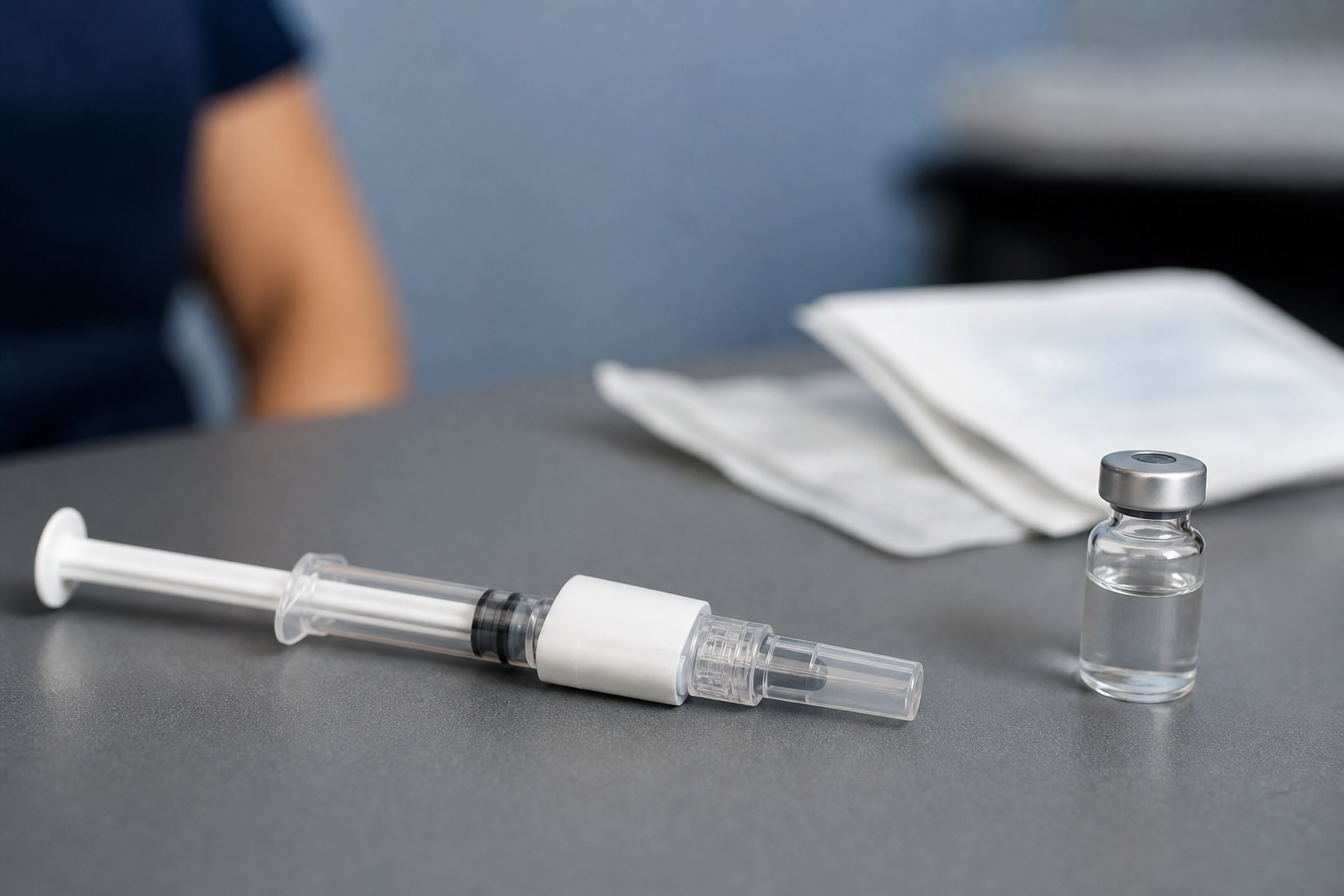
There are several practical differences that matter when choosing an option.
- Formulation and route, monthly products are extended-release injections of buprenorphine. Suboxone is a buprenorphine/naloxone sublingual film or tablet taken daily. Methadone is an oral full opioid agonist with its own clinic protocols.
- Dosing frequency, the injection is given in a clinic once monthly for the monthly formulation, while Suboxone is usually taken daily and methadone is typically daily under supervision at the start of treatment.
- Clinic administration and documentation, injections require a clinic visit for administration and monitoring of the injection site, while Suboxone and methadone often require take-home dosing arrangements and observed dosing protocols that vary by program.
- Reduced diversion risk, an injectable extended-release product removes the daily take-home medication from a patient’s possession, which reduces the chance of diversion compared with oral or sublingual formulations.
- Transition complexity, moving from methadone or from unsupervised non-buprenorphine opioids to an extended-release buprenorphine injection requires careful clinical planning to avoid precipitated withdrawal or other complications.
For an overview of buprenorphine as a medication class and practical use distinctions, clinical guidance resources provide detailed chapters on buprenorphine maintenance and dosing considerations.
What to expect at your first visit and during a switch or induction
Road To Recovery and many outpatient clinics use a same-day intake flow for new opioid agonist therapy patients. Expect a nurse-led triage followed by physician assessment on the day you start, and be prepared for baseline documentation and consent steps.
Typical elements of the first visit and transition process include:
- nurse assessment of current medications, withdrawal signs, and recent substance use.
- physician review that confirms eligibility, reviews risks and benefits, and documents the treatment plan.
- baseline checks such as a medication list, any available labs, and pregnancy screening when indicated.
- discussion of injection logistics, expected side effects, and what will be monitored after the injection.
- scheduling of the next visits for closer follow-up during the first month as recommended in induction checklists.
MedlinePlus notes that extended-release buprenorphine injections release medication over a week or a month depending on the product, so the prescriber will explain the expected duration of action for the formulation chosen. For Ontario patients, Road To Recovery’s intake flow and local guidance are described on their main site and in the outpatient Sublocade guide.
Intake checklist and practical items to bring
- government issued ID or health card
- a current list of medications including doses and prescribers
- records from any recent OAT program or pharmacy, if available
- contact information for your pharmacy and primary care provider
- a support person if you want someone to accompany you or help with decision making
- questions prepared for the clinician about side effects, follow-up schedule, and coverage options
Safety, side effects, and follow-up schedule

Common side effects with buprenorphine injections are similar to other buprenorphine formulations and can include nausea, constipation, headache, and injection-site reactions. Serious allergic reactions are rare but possible. Injection-site issues such as pain, redness, or swelling should be reported to the clinic promptly.
Clinicians document and monitor safety measures during induction and maintenance. Best practice checklists recommend more frequent visits during the first month and follow-up intervals that reflect the patient’s clinical stability. These steps help clinicians assess response, manage side effects, and schedule laboratory monitoring where indicated. See MedlinePlus and the NCBI induction and maintenance checklist for recommended monitoring items.
Questions to ask your clinic and red flags to watch for
Ask the clinic these targeted questions before you start.
- Am I clinically eligible to transition to a monthly injectable formulation?
- What induction steps or stabilization are required before the first injection?
- How often will I be seen in the first month and after you are stable?
- What should I do if I experience severe sedation, breathing difficulty, or an injection-site problem?
- Do you arrange psychiatry referrals or virtual supports if I need mental health care?
Red flags that should prompt immediate contact with your clinic or emergency services include signs of an allergic reaction such as hives or breathing difficulty, sudden severe sedation or inability to stay awake, and rapidly worsening injection-site infection symptoms. For routine questions about monthly injectable care in Ontario, Road To Recovery coordinates psychiatry referrals locally or virtually and provides same-day nurse and physician intake for opioid agonist therapy patients through their intake portal.
How to start once-monthly care in Ontario with Road To Recovery
If you are in Ontario and want to explore a monthly injectable buprenorphine, start with the clinic’s secure intake portal and patient information. Road To Recovery operates outpatient clinics across Ontario and lists Sublocade and other opioid agonist therapy options among its services, with a same-day nurse then physician pathway for new intakes to reduce delays. You can read the clinic’s local guidance in their Sublocade Guide: Understanding Once-Monthly Care in 2026 and begin the intake process at the main site.
Frequently asked questions
Is there a Suboxone shot and how does it differ from Suboxone film
People sometimes call the monthly injection a “Suboxone shot,” but Suboxone is a buprenorphine/naloxone sublingual film or tablet. The monthly injectable is an extended-release buprenorphine product, for example Sublocade, which is a different formulation and route and is given in a clinic once monthly for the monthly version. See MedlinePlus for patient drug information.
Am I eligible to switch from daily Suboxone film to a once a month injectable
Eligibility depends on clinical stability, current buprenorphine use, and individual medical factors. Many patients who are stable on sublingual buprenorphine may be considered for transition, but a clinician must assess possible contraindications and plan the induction or switch. Clinical checklists recommend closer follow-up in the first month after any transition. See the NCBI buprenorphine induction and maintenance checklist for clinical details.
What side effects and injection-site problems should I expect
Common side effects include nausea, constipation, headache, and local injection-site pain, redness, or swelling. Serious allergic reactions or severe sedation are rare but require immediate medical attention. Report any worsening local symptoms or systemic reactions to your clinic promptly.
How often will I need clinic visits after getting a monthly buprenorphine injection
Visit frequency is individualized. Many programs schedule more frequent visits during the first month, then extend intervals when the patient is stable. The exact cadence will be set by your prescriber and should be documented in your treatment plan as recommended by induction and maintenance checklists.
How do I start a Sublocade or monthly injection program at Road To Recovery in Ontario
Begin by using the secure intake portal on the Road To Recovery site, where new opioid agonist therapy intakes are triaged by a nurse and then assessed by a physician on the same day they start. For detailed local information see the clinic’s Sublocade Guide: Understanding Once-Monthly Care in 2026 and the main site for intake instructions.
Key takeaway The phrase “once a month Suboxone shot” usually means a monthly extended-release buprenorphine injection such as Sublocade, which has distinct eligibility, monitoring, and clinic procedures compared with Suboxone film or methadone. Discuss the checklist items above with a prescriber to determine whether a monthly injectable is appropriate for you.
To begin the intake process or to ask about monthly extended-release buprenorphine at Road To Recovery, start your intake online or contact the clinic through their main website.
Recent Post
-
 October 23, 2026
Cocaine Outpatient Treatment Outcomes: What Progress Really Looks...
-
 October 20, 2026
Family Resources for Addiction Recovery in Hamilton: Practical...
-
 October 19, 2026
How to Choose an Opioid Agonist Therapy Clinic...
-
 October 18, 2026
Kadian for Opioid Use Disorder: How Treatment Works...

You are Valued
Road to Recovery is an outpatient opioid detoxification center, with locations across Ontario.
- Confidential care
- Same-day support
- Personalized treatment