
If you are looking for same-day intake at Barrie Central, the most important distinction is between same-day assessment and guaranteed same-day treatment. Road To Recovery describes its new opioid addiction treatment intakes as a nurse assessment followed by a physician assessment on the same day the patient starts. That process can reduce delays, but the clinic must confirm current availability, eligibility, and whether medication can be dispensed that day.
Quick summary

- Same-day intake means a nurse reviews your situation and a physician assesses your treatment needs.
- Possible opioid agonist therapy options include Methadone, Suboxone, Sublocade, and Kadian, depending on clinical suitability.
- Prepare a medication list, allergies, recent substance-use information, relevant health history, identification if requested, and your questions.
- Assessment does not guarantee admission, a specific medication, or same-day methadone dispensing.
- Overdose symptoms, breathing problems, chest pain, severe confusion, or another immediate danger require emergency help rather than waiting for outpatient intake.
What the Same-Day Intake Process Includes
The exact workflow at Barrie Central should be confirmed when you contact the clinic, but the published Road To Recovery model gives a useful outline. New patients seeking opioid addiction treatment are seen by a nurse and then a physician on the same day they start. The purpose is to move from initial information-gathering to a clinical assessment without leaving the person waiting indefinitely between steps.
1. Initial contact and secure intake
You may begin by providing basic contact information, health details, current medications, recent substance use, and your treatment goals through the clinic’s secure intake route or another method the team provides. Be as accurate as possible. Information about your last opioid use, other substances, prescriptions, allergies, and health conditions helps clinicians assess safety.
2. Nurse review
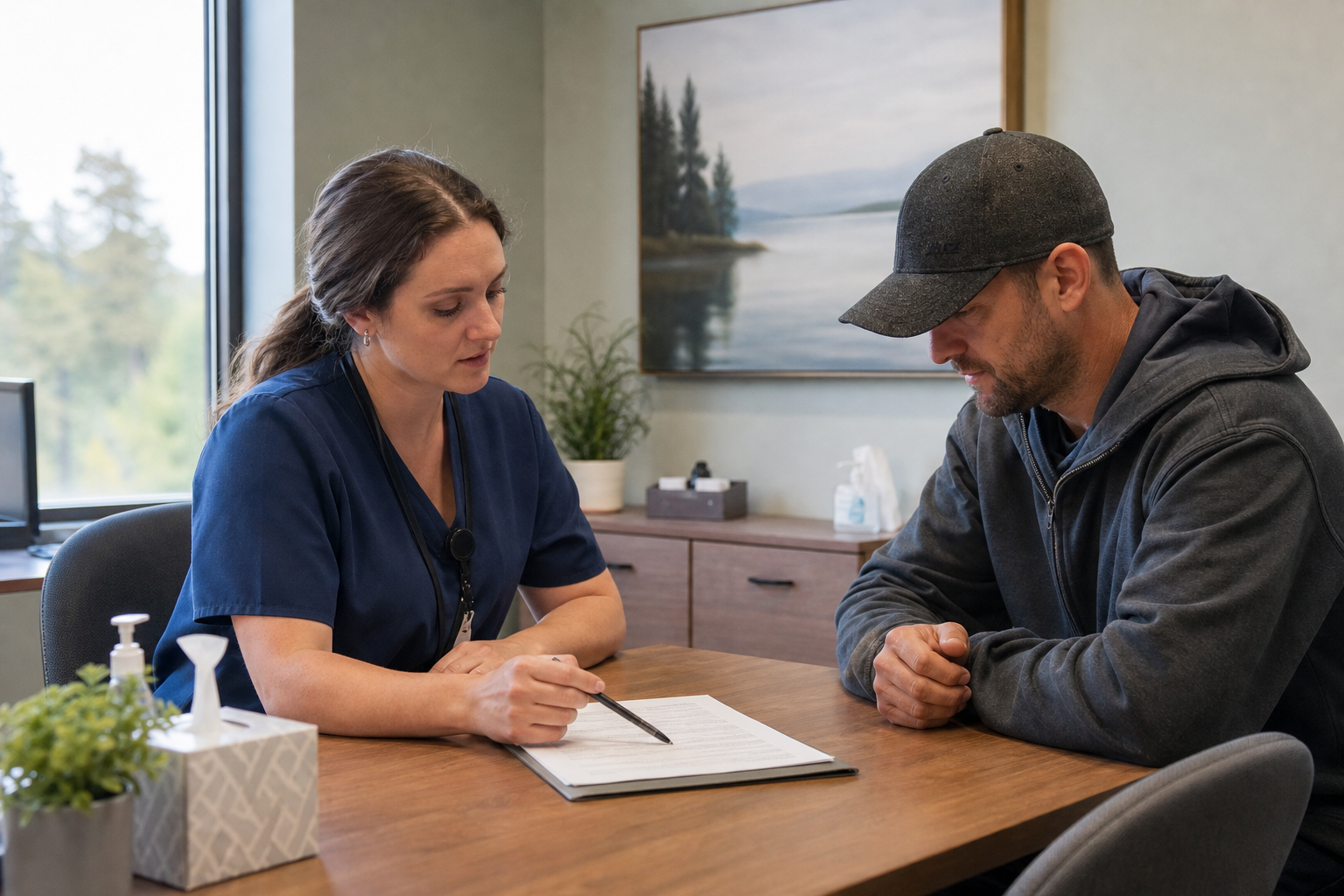
The nurse gathers relevant history, identifies immediate concerns, and helps organize the next clinical step. This is a good time to mention withdrawal symptoms, previous treatment, pregnancy or possible pregnancy, breathing problems, sedating medications, and any concern about overdose or unsafe use.
3. Physician assessment
The physician reviews your history and discusses whether opioid agonist therapy, or OAT, is appropriate. The appointment may cover medication choices, induction or dosing considerations, risks, follow-up, and other supports. The goal is an individualized plan, not simply selecting the medication a person has read about online.
Road To Recovery’s methadone guidance also describes a same-day nurse screening, physician assessment, and first supervised dose when clinically appropriate. That wording matters: a physician may determine that treatment can begin, but the assessment itself is not a promise that every person will receive medication immediately. You can review what a same-day methadone assessment involves before your visit.
4. Follow-up planning
Before leaving, ask what happens next, when you should return, how follow-up will occur, and who to contact if symptoms change. The first plan may include monitoring, medication adjustments, counselling or recovery guidance, and referrals when appropriate. These details depend on your assessment and the clinic’s current process.
Which Opioid Treatment Options May Be Discussed?

Road To Recovery lists four medication options for opioid use disorder: Methadone, Suboxone, Sublocade, and Kadian. They are not interchangeable choices that every patient can start on demand. A physician considers factors such as current opioid use, withdrawal timing, other medications, medical history, treatment experience, and practical ability to attend follow-up.
| Option | General format | Questions to ask |
|---|---|---|
| Methadone | A prescribed opioid agonist used within a structured treatment plan. | How is the initial dose determined? What monitoring and follow-up will be needed? |
| Suboxone | A buprenorphine-naloxone treatment option that may be started through a supervised induction plan. | When is it clinically safe to begin? What withdrawal timing and early check-ins should I expect? |
| Sublocade | A long-acting buprenorphine injection considered in an appropriate treatment plan. | Do I need to be stabilized on buprenorphine first? How will appointments and ongoing coverage be arranged? |
| Kadian | A morphine-based option listed by Road To Recovery among its opioid-treatment programs. | Why might this option be considered for me, and what monitoring or safety instructions apply? |
The best option depends on your clinical circumstances and preferences, not on a general ranking. If Suboxone is being considered, the clinic’s MAT Suboxone program information explains how nurse triage, physician assessment, induction, and follow-up fit together.
Questions to Ask During the Physician Assessment
Writing questions down before the appointment can help when you are tired, anxious, or experiencing withdrawal. Consider asking:
- Which treatment options are clinically appropriate for me, and why?
- What information about my last opioid use affects when treatment can begin?
- What should I expect during induction or the first dose?
- Which side effects or warning signs should prompt a call to the clinic?
- How will other prescriptions, alcohol, sedatives, or non-prescribed substances affect safety?
- When is the next appointment, and how will dose or treatment changes be monitored?
- What counselling, mental health, family, or psychiatry supports may be available?
- What should I do if I miss an appointment or cannot attend as scheduled?
For a broader preparation framework, you can review these questions about OAT medication, monitoring, and safety. Use them to guide a conversation, not to self-diagnose or change medication without clinical direction.
What to Prepare Before Same-Day Intake
Good preparation does not need to be complicated. Gather what you know, be honest about uncertainty, and ask the clinic what Barrie Central currently requires before travelling.
- Medication list: Include prescriptions, over-the-counter products, supplements, and any medication for pain, sleep, anxiety, or substance use.
- Allergies and health history: Note serious medical conditions, previous reactions, pregnancy or possible pregnancy, and past treatment.
- Recent substance use: Record what you have been using, approximately when you last used it, and any changes in tolerance or withdrawal.
- Identification and contact details: Bring identification or health information if requested, along with pharmacy or prescriber details when available.
- Your questions: Write down concerns about medication, privacy, appointments, work, childcare, transportation, or family support.
- Safety information: Tell the team about overdose events, naloxone access, breathing concerns, or combinations of substances that may increase sedation.
Do not delay contacting the clinic simply because you do not have every document or detail. Ask what is essential, what can be confirmed later, and whether the Barrie Central team can accommodate your circumstances.
What Same-Day Intake Does Not Guarantee
The phrase “same-day intake” should not be interpreted as a guaranteed appointment at a particular time, automatic admission, eligibility for every medication, or guaranteed same-day dispensing. It describes the clinic’s stated nurse-and-physician intake flow for new OAT patients. Availability and the treatment decision still need to be confirmed directly with the clinic.
It also does not mean outpatient intake replaces emergency care. Call 911 or seek emergency medical help for suspected overdose, slowed or stopped breathing, blue or grey lips, severe chest pain, unconsciousness, serious confusion, seizure, or another immediate threat to life. Do not wait for a scheduled clinic assessment when urgent symptoms are present.
If You Are Helping a Family Member
A family member can make access easier without taking control of the person’s treatment decisions. You might help gather medication information, write down questions, arrange practical support, or encourage the person to contact the clinic privately. If the person agrees, you can also help remember instructions and follow-up dates.
Respect confidentiality. The patient may need to speak with the nurse or physician alone, and clinic staff may be limited in what they can share without permission. Families can still ask what general resources are available and how to respond safely to an overdose or other emergency.
If Road To Recovery is unavailable or you need help identifying another community service, Ontario says that people can access mental health and addiction support, including opioid agonist therapy referrals, without an appointment or referral through applicable community services. The province directs people to ConnexOntario for information and referrals. Check Ontario’s mental health and addiction services information for current access routes.
How to Take the Next Step in Barrie
- Confirm that Barrie Central is accepting new patients and ask what same-day intake availability means that day.
- Ask whether you should use the secure intake route before attending and what information to have ready.
- Clarify whether the nurse and physician assessments can occur on the same day and whether treatment initiation, if appropriate, would also occur that day.
- Prepare your medication list, substance-use history, allergies, identification if requested, and questions.
- Follow the clinical plan and ask who to contact if symptoms, medication access, or appointment arrangements change.
FAQ About Same-Day Intake at Barrie Central
Does same-day intake guarantee that I will receive medication that day?
No. It indicates that a new OAT patient may be seen by a nurse and then a physician on the day treatment starts, according to Road To Recovery’s published process. It does not guarantee a specific medication, admission, appointment availability, or same-day methadone dispensing. Ask the clinic to confirm what can happen in your circumstances.
Do I need a referral before contacting an opioid treatment clinic in Ontario?
Not necessarily. Ontario states that applicable community mental health and addiction services can be accessed without an appointment or referral, including help with opioid agonist therapy referrals. Individual clinic processes may differ, so confirm the current Barrie Central intake requirements directly.
Can a family member help prepare for or attend the intake?
Yes, a family member can help gather information, prepare questions, and provide practical support. Whether someone can attend part of an appointment depends on the patient’s consent and the clinic’s privacy procedures. The patient should remain the decision-maker for their care.
What should I do if I am experiencing an overdose or another medical emergency?
Call 911 immediately and follow emergency instructions. If someone is unconscious, not breathing normally, severely confused, or showing other signs of a life-threatening emergency, do not wait for outpatient intake. Emergency responders can provide urgent care while the clinic can address ongoing treatment afterward.
Conclusion: Prepare for Assessment, Then Confirm the Details
Same-day intake at Barrie Central is best understood as a faster route into clinical assessment, with a nurse review followed by a physician assessment for new opioid treatment patients. It can help reduce delay while treatment options such as Methadone, Suboxone, Sublocade, or Kadian are considered, but the appropriate medication and timing remain clinical decisions.
Prepare accurate health and medication information, ask what the process includes that day, and distinguish assessment from a guarantee of dispensing or admission. To confirm current Barrie Central availability and begin the appropriate intake process, visit Road To Recovery.
Recent Post



You are Valued
Road to Recovery is an outpatient opioid detoxification center, with locations across Ontario.
- Confidential care
- Same-day support
- Personalized treatment