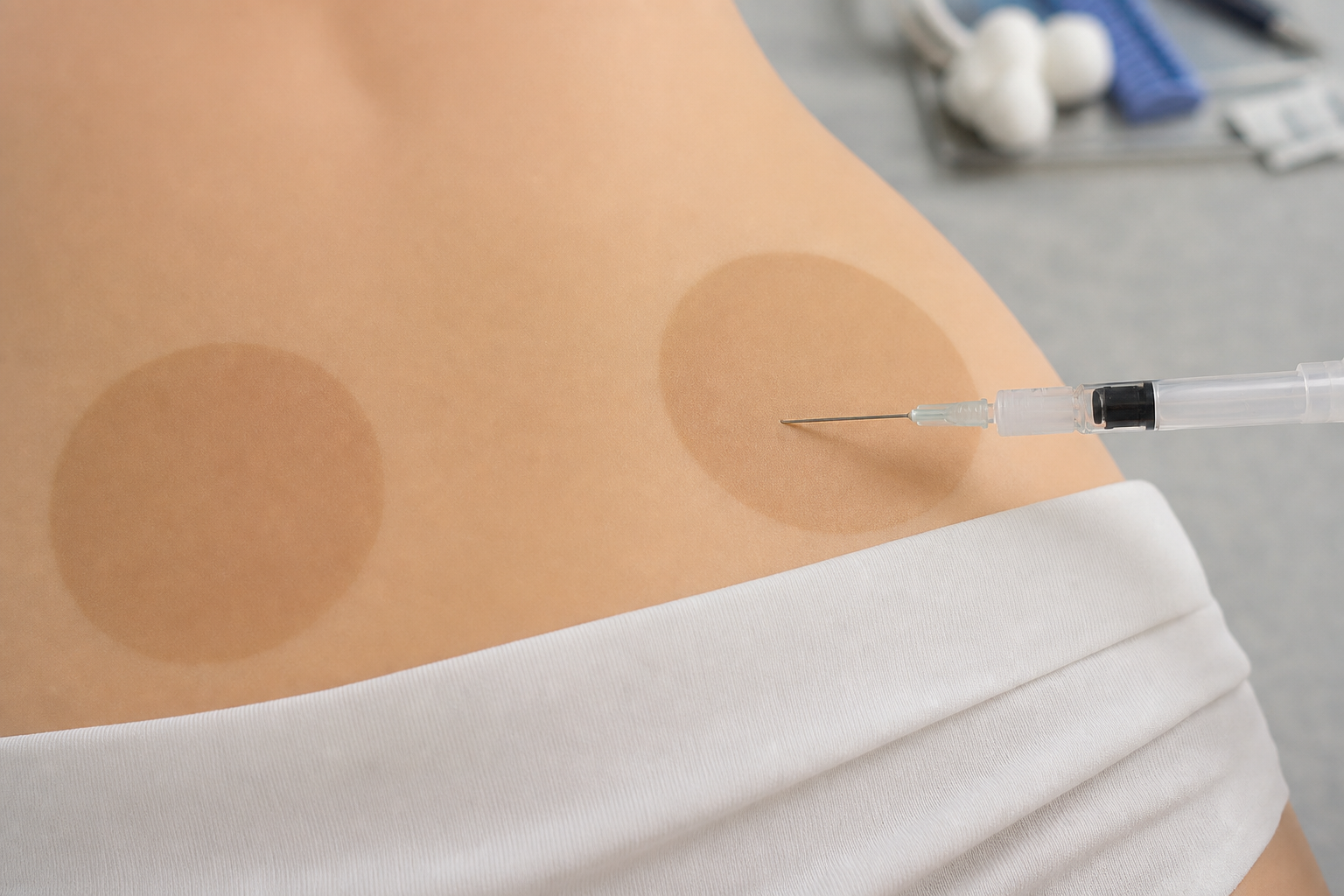
This guide explains, in plain language, how healthcare teams typically think about choosing and caring for Sublocade injection sites. You will find practical checklists for your appointment, simple frameworks for discussing site selection, and common questions to ask your clinician. Because Sublocade is a prescription treatment and injections involve clinical judgment, this article is for general education only and is not medical advice. Always rely on your prescribing clinician’s guidance for decisions about your care.
What to know about injection sites
Injection-site choice matters for comfort, consistency, and safety. While your care team will select and prepare the site, you can participate in that decision by sharing your history, preferences, and any recent issues with your skin or underlying tissue. Here are factors that commonly enter into a clinician’s site selection:
- Skin condition at the site: healthy skin without rashes, open wounds, or active irritation is generally preferred.
- Underlying tissue: a site with adequate soft tissue can help with comfort and consistency.
- Movement and friction: frequent bending, waistbands, belts, or tight clothing that rubs against the area can affect comfort after the injection.
- Visibility and access: a site that is easy for the clinician to access and for you to observe later can simplify aftercare.
- Recent injections: rotating away from very recent injection areas may reduce local irritation.
- Personal history: prior sensitivity, scarring, or procedures in a region may lead a clinician to choose a different area.
Your role is to provide accurate information and speak up about your goals and concerns. Let your clinician know about any pain, swelling, or sensitivity you have experienced near previous sites so they can take that into account.
Pre-appointment checklist
Arriving prepared can make your appointment smoother and improve your comfort afterward. Use this checklist as a simple, repeatable routine:
- Update your medication list: include prescriptions, over-the-counter products, and supplements. Note any changes since your last visit.
- Report skin issues: mention any rashes, infections, cuts, bruises, or recent procedures (e.g., biopsies) near potential injection areas.
- Allergies and reactions: tell your clinician about any allergies or prior reactions to injections, dressings, or cleansers.
- Comfort planning: wear clothing that allows easy access to potential injection areas and won’t rub tightly against the site afterward.
- Pain and comfort history: describe what felt comfortable or uncomfortable about previous injections so your team can adjust.
- Schedule awareness: plan light activity after your appointment in case you want to minimize movement while the site settles.
- Questions prepared: bring a written list (see “Questions to ask your clinician” below) so you leave with clear next steps.
How clinicians choose a site
Although each visit is unique, clinicians often follow a consistent decision path to select a site that aligns with your medical needs and comfort. Here’s a general overview of the process you can expect to discuss. The exact steps and techniques are determined by your clinician’s judgment and your treatment plan.
- Screen for suitability: your clinician reviews your history, medications, allergies, and any new symptoms, then inspects potential areas for healthy skin and adequate tissue.
- Discuss preferences: you and your clinician align on comfort, privacy, and clothing considerations so the site works for your day-to-day routine.
- Prepare the skin: the area is cleaned according to clinic protocol, which helps support sterile technique.
- Administer the medication: a qualified healthcare professional gives the injection, monitors your immediate response, and applies any dressing if needed.
- Aftercare briefing: before you leave, you receive instructions for site care, what sensations may be expected, and when to reach out for help.
Important: Sublocade injections are given by qualified healthcare professionals. Do not attempt to inject or alter your treatment plan on your own. If you have concerns about a selected site, ask your clinician to explain their reasoning and discuss alternatives appropriate for your situation.
Aftercare and comfort
Good aftercare is straightforward and focused on observation, gentle protection of the area, and clear communication with your care team. Follow the specific instructions provided at your visit. The points below are general considerations you can discuss with your clinician:
- Keep it clean and dry as directed: your team will tell you how to care for the area and when you can shower or resume typical activities.
- Avoid rubbing or pressure on the site: minimize tight waistbands, belts, or activities that place repetitive friction on the area right away.
- Monitor the site: watch for changes such as persistent redness, warmth, swelling, drainage, or worsening pain, and contact your clinician if you notice concerning changes.
- Note expected sensations vs. warning signs: mild, temporary tenderness can occur; your clinician will outline what is typical for you and what merits a call.
- Plan your next day: if you tend to feel sore after injections, consider lighter activity for 24 hours and adjust clothing for comfort.
Documenting how you feel in the first 48 hours, any steps you took for comfort, and how long sensations lasted can help your clinician tailor future site choices.
Site rotation and tracking
Many people benefit from a simple rotation and tracking approach that reduces repeated irritation in the same area and gives your clinician a clear record. Consider the following framework and confirm details with your care team:
- Agree on a rotation pattern: for example, alternating sides or areas from one visit to the next if your clinician advises it.
- Keep a one-page log: note the date, general site location, immediate comfort level, and how it felt over the next 48 hours.
- Flag sensitive zones: mark any areas that led to more prolonged soreness so your clinician can consider alternatives at the next visit.
- Bring your log to appointments: a quick review helps align site selection with your recent experiences.
Your notes do not replace clinical assessment, but they provide useful context that can make each subsequent visit more comfortable and predictable.
Managing expectations and communication
Clear communication with your clinician is one of the best ways to support consistently comfortable injections. Try these practical steps:
- Share your goals upfront: for example, minimizing friction with work clothing, gym wear, or seat belts.
- Ask for a walkthrough: request a short explanation of why a site was chosen and what to expect over the next day or two.
- Use a 1–10 comfort scale: rate soreness or tenderness to create a common language you can compare across visits.
- Confirm aftercare in writing: a brief printed or patient-portal summary can help you remember instructions at home.
When to contact your clinician
Questions to ask your clinician
Bring this list to your next visit. Checking off answers as you go can make your appointment more efficient and help you feel confident about the plan.
- Which areas are appropriate options for my Sublocade injection, and why might one be preferred today?
- How will clothing or daily activities affect today’s site choice?
- What aftercare steps should I follow for the first 24–48 hours?
- What sensations are typical for me after this injection, and what changes should prompt me to call the clinic?
FAQ
Can I choose my Sublocade injection site myself?
You can and should share your preferences and comfort concerns, but a qualified healthcare professional selects and administers the injection based on clinical considerations. Ask your clinician to explain options that make sense for your situation.
Why do injection sites sometimes feel tender afterward?
It’s common for injections to cause temporary local sensations. Your clinician can explain what is typical for you, how long it may last, and which changes would warrant contacting the clinic. Let them know what you’ve experienced after previous visits so they can adjust future site choices.
How do I reduce clothing friction on the site?
Plan clothing that allows easy access at the appointment and avoids tight bands or seams over the area afterward. If you’re unsure what to wear, ask your clinician in advance which styles minimize rubbing for the chosen site.
What if I develop redness or swelling at the site?
Follow the aftercare instructions you received and monitor the area. If you notice changes your clinician identified as concerning—or if symptoms are worsening or feel unusual—contact your care team for guidance. Seek urgent medical care if you think you’re experiencing an emergency.
Do I need to rotate injection sites?
Your clinician will advise whether rotation is appropriate for you. Keeping a simple log of prior sites and comfort levels can support that discussion at each visit.
Key takeaways
- Site selection is a collaborative process: your clinician provides medical judgment, and your input helps tailor comfort and convenience.
- Preparation matters: arrive with an updated medication list, note any skin issues, and plan clothing that won’t rub the area.
- Document and share: a short log of prior sites and how they felt can improve future choices.
- Aftercare is simple but important: follow instructions, protect the area from friction, and contact your clinician if you notice concerning changes.
- When in doubt, ask: clarity about what to expect—and what to watch for—reduces stress and supports continuity of care.
Medical disclaimer: This article is for general information only and is not a substitute for professional medical advice, diagnosis, or treatment. Always speak with a qualified healthcare professional about questions specific to your health and your Sublocade injection plan.