
Sublocade is a once-monthly, long-acting buprenorphine injection used to treat moderate to severe opioid use disorder. It maintains stable medication levels to reduce cravings and withdrawal while supporting recovery. If you’re asking “sublocade what is it,” think of it as extended-release buprenorphine given under the skin by a clinician once per month.
By BRIAN TAYLOR • Road To Recovery • Last updated: 2026-06-24
Above-Fold: Hook, quick answers, and what you’ll learn
Sublocade is a monthly, extended-release buprenorphine injection for opioid use disorder that keeps blood levels steady and lowers cravings. It’s administered in a clinic, not at home. With consistent dosing and recovery supports, many patients experience fewer lapses and steadier progress month to month.
Wondering if one monthly shot can really help you feel more like yourself again? Here’s how a long-acting option can remove daily dosing friction and put structure back into your routine—especially if you live or work in all over ontario and need care that fits a busy schedule.
- What Sublocade is, how it works, and who it’s for
- How it compares with Suboxone films/tablets and Methadone
- What to expect at Road To Recovery clinics in all over ontario
- Best practices, safety tips, and common side effects
- Action steps for starting quickly with same-day intake
- Quick Summary
- What is Sublocade?
- Why Sublocade matters
- How Sublocade works
- Types/Methods/Approaches
- Best Practices
- Tools/Resources
- Case Studies/Examples
- Frequently Asked Questions
- Conclusion
- Related Articles
Quick Summary
Sublocade is extended-release buprenorphine given monthly after stabilizing on daily buprenorphine. It helps control cravings, reduces daily decisions, and supports steady routines. At Road To Recovery, we pair it with counseling, mental health referrals, and practical tools so you can focus on life—not dosing.
- Purpose: Treat moderate to severe opioid use disorder with a once-monthly injection.
- Setup: Stabilize first on daily buprenorphine; then transition to monthly shots.
- Benefits: Steady coverage for ~1 month, fewer lapses, less daily management.
- Support: Counseling, psychiatry referrals, and family resources through our clinics.
- Access: Same-day intake for new OAT patients across our Ontario network.
What is Sublocade?
Sublocade is a prescription buprenorphine injection that slowly releases medication over one month to treat opioid use disorder. It’s intended for adults already stabilized on daily buprenorphine who then receive a monthly dose, administered by a healthcare professional at a clinic.
Put simply, Sublocade keeps therapeutic buprenorphine levels steady for about 28–30 days at a time. That stability can blunt withdrawal and reduce cravings so you can focus on therapy, work, school, or family. Because it’s clinic-administered, there’s no take-home vial or daily film to worry about losing or misusing.
At Road To Recovery, new OAT intakes see a nurse and then a physician on the same day they start. That same-day flow—combined with a monthly medication rhythm—often helps people regain momentum quickly. Patients in all over ontario tell us the predictability matters: one appointment, one injection, one plan for the month.
For deeper onboarding details, see our Sublocade injection treatment guide, which outlines stabilization, first-dose logistics, and follow-up timing step by step.
Why Sublocade matters
Sublocade matters because long-acting buprenorphine can lower relapse risk, reduce cravings, and simplify adherence. Monthly administration limits missed doses and diversion, freeing up time and focus for counseling, routines, and rebuilding relationships that make recovery durable.
Opioid use disorder is a chronic medical condition. Medication-assisted treatment (MAT) is one of the most studied and effective approaches. A long-acting option removes up to 30 daily dosing decisions per month. Fewer decisions can mean fewer vulnerable moments—especially in the first 90 days when structure is crucial.
In our experience across Ontario communities, people who struggle with daily adherence (busy shifts, childcare, or forgetfulness) often do better when dosing is set-and-forget. Monthly visits also create a dependable check-in for coaching, mental health support, and safety reviews—elements we emphasize through our coordinated psychiatry referrals and family resources.
If you’re comparing options, our Sublocade prescription explained page breaks down practical benefits, eligibility, and how we personalize plans without disrupting work or school schedules.
How Sublocade works
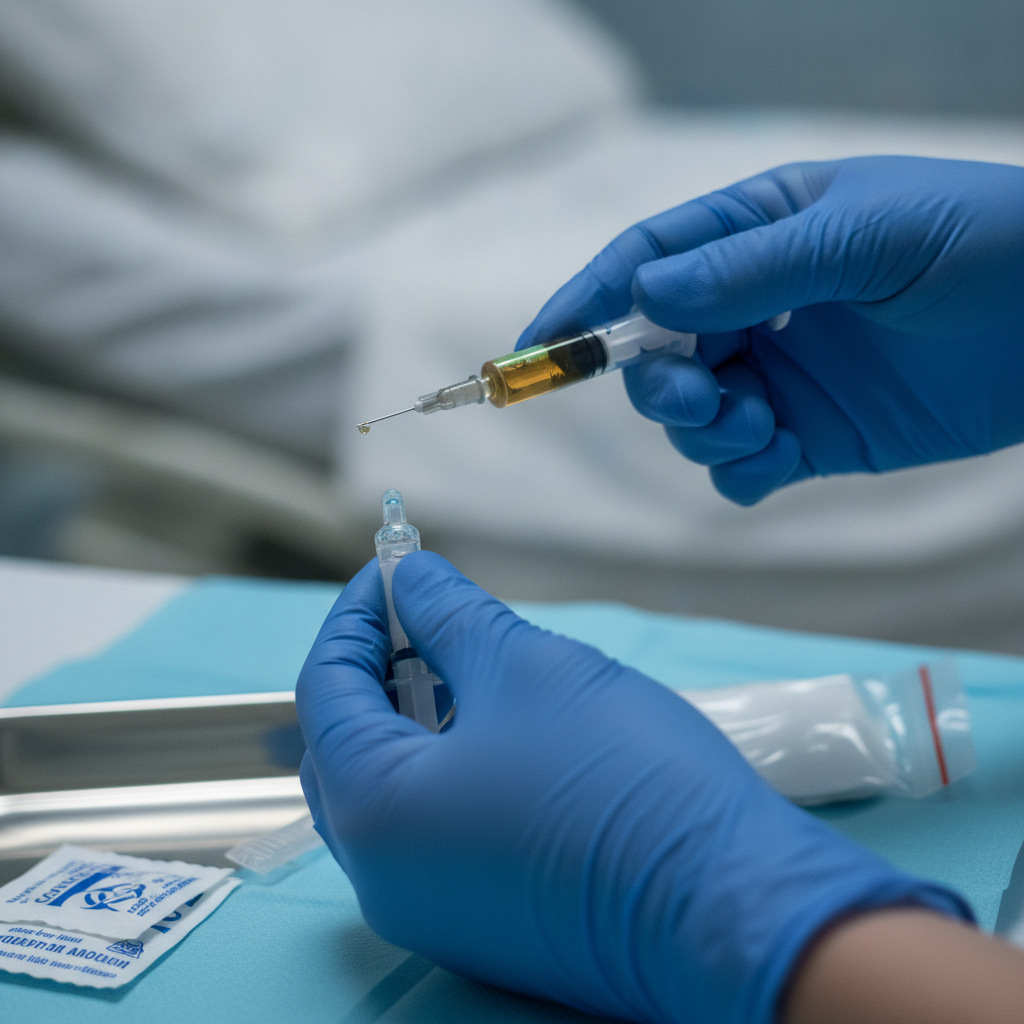
Sublocade is injected just under the skin of the abdomen, forming a small depot that releases buprenorphine steadily for about a month. That steady exposure curbs cravings and withdrawal while avoiding the peaks and troughs some people feel with daily dosing.
Mechanism in plain language:
- Partial agonist effect: Buprenorphine partially activates opioid receptors. It eases withdrawal without the full “high” of stronger opioids.
- Depot release: A small medication depot under the skin dissolves gradually, maintaining therapeutic levels over weeks.
- Steady state: Most patients experience more even coverage between day 7 and day 28–30, the interval many clinics target for reinjection.
Clinical flow at our clinics:
- Stabilize first: You begin on daily buprenorphine (like Suboxone films/tablets) until stable.
- First injection: The clinician administers the shot in a private room; observation follows.
- Monthly rhythm: Follow-up occurs in about 4 weeks; we adjust supports as needed.
To understand how duration feels across a month, see how long Sublocade lasts. For background on long-acting formulation design, you can also review this overview of sustained-release methods in long-acting injectables from formulation development experts.
Types/Methods/Approaches (and how Sublocade compares)
Sublocade complements—not replaces—other MAT options. Choosing among Sublocade, Suboxone, and Methadone depends on your history, goals, and routines. A clinician helps you match the approach that keeps you safest and most engaged with recovery.
Options in context
- Sublocade (monthly buprenorphine): Long-acting, clinic-administered injection that supports adherence and reduces diversion risk through in-clinic dosing.
- Suboxone (daily buprenorphine/naloxone): Home dosing via films/tablets; flexible but requires daily consistency.
- Methadone (daily full agonist): Highly effective for some; often begins with daily clinic pickups, then transitions to take-home doses with stability.
Comparison at a glance
| Treatment | Dosing cadence | Administration | Key strengths | Ideal when… |
|---|---|---|---|---|
| Sublocade | Monthly | Clinic injection | Steady levels; low diversion | You want fewer daily decisions |
| Suboxone | Daily | At home | Flexible, adjustable | You prefer self-dosing flexibility |
| Methadone | Daily → take-homes | Clinic, then take-homes | Works for high tolerance | You benefit from structure |
Many people transition between options as life changes. For example, a person might start on Suboxone, move to Sublocade for steady coverage during a demanding work season, then consider Methadone if cravings remain high. If you’re deciding, this side-by-side on Suboxone vs. Methadone explains strengths and trade-offs. You can also explore our Suboxone Program to see how daily dosing is supported here.
For a broader look at the long-acting injectables landscape, this market snapshot highlights growth trends and adoption patterns for sustained-release medicines: long-acting injectables market trends.
Best Practices for safe, effective use
The best plan is personal: stabilize on daily buprenorphine first, receive Sublocade monthly, and pair medication with counseling and practical supports. Avoid mixing with sedatives unless coordinated with your clinician, and keep monthly follow-ups to fine-tune care.
What to do
- Confirm stability: Take daily buprenorphine long enough to feel comfortable before your first shot.
- Lock the calendar: Book your next visit at checkout; aim for a 28–30 day interval.
- Build supports: Layer therapy, recovery groups, and family resources—medication works best with community.
- Know effects: Injection-site tenderness, headache, constipation, and nausea are among common effects.
- Plan for travel: If you’ll be away, coordinate an appointment within your dosing window before leaving.
What to avoid
- Unsupervised benzodiazepines or alcohol: Combining sedatives increases safety risks—discuss all meds with your provider.
- Skipping follow-ups: Long gaps can raise withdrawal and craving risk as levels wane.
- Medication-only mindset: Recovery is stronger with counseling, mental health support, and skills practice.
If you’re preparing for month one, our Starting Sublocade guide covers stabilization timing and appointment-day tips so you can arrive confident and ready.
For a technical look at depot design and release characteristics, see these notes on critical attributes for long-acting injectables: quality attributes in LAIs.
Tools/Resources at Road To Recovery
Road To Recovery offers same-day intake for opioid agonist therapy, multiple MAT options under one roof, and coordinated psychiatry referrals. Our clinics across Ontario provide confidential, judgment-free care with practical resources for patients and families.
- Same-day intake: New OAT patients see a nurse and then a physician on the same day they start—streamlining momentum.
- Medication choice: Sublocade, Suboxone, Methadone, and Kadian are available across our network.
- Mental health support: We coordinate psychiatry referrals locally or virtually through trusted partners.
- Family resources: Guides and tools help loved ones show up in ways that truly support recovery.
- Judgment-free care: Compassionate teams, private spaces, and personalized plans anchored to your goals.
Have questions before your first appointment? Start with our concise primer: Sublocade treatment—5 common questions. It’s designed to answer what patients ask most in the first 24–48 hours.

Thinking about Sublocade? Schedule a confidential conversation with our team. We’ll review your goals, discuss options, and map next steps so you can feel steady and supported.
Case Studies and examples
Monthly buprenorphine can remove daily dosing friction. In practice, patients often report steadier routines, fewer urgent cravings, and better engagement with therapy. The scenarios below mirror what our teams see across Ontario communities and illustrate how we tailor plans.
“I kept forgetting doses”
After several restarts on daily buprenorphine, a patient chose Sublocade for accountability and consistency. With one clinic visit each month, they reported fewer cravings during weeks two to four. They also began meeting a counselor weekly and restored healthier sleep—two habits that strengthened recovery momentum.
“My job schedule is all over the place”
Shift work made daily dosing challenging. After induction and stabilization, monthly injections simplified adherence. The patient described feeling more even across the month and used therapy to plan for high-risk moments after overtime shifts, when fatigue historically triggered use.
“I wanted fewer clinic trips”
Transitioning from Methadone, a patient appreciated fewer visits and less focus on daily dosing. With consistent coverage in place, they added a smoking cessation plan and began addressing anxiety through a psychiatry referral—changes that would have been hard to tackle while juggling daily pickups.
Local considerations for all over ontario
- Coordinate monthly visits around winter travel and weather; book early to keep your dosing window on track.
- Ask about virtual psychiatry if scheduling in-person follow-ups is difficult in your city.
- If your work shifts vary, request reminders and try to schedule your injection at the same time of day.
Frequently Asked Questions
Here are clear answers to common Sublocade questions—how to start, what to expect, and how it compares to daily options. For personal guidance, book time with a clinician who can tailor a plan to your goals and routines.
How do I start Sublocade?
A clinician confirms you’re stable on daily buprenorphine first, then schedules your first monthly injection at the clinic. You’ll have brief observation after the shot, get education on common effects, and leave with your next visit booked in about a month.
Is Sublocade better than Suboxone?
“Better” depends on your goals. Sublocade reduces daily decisions and diversion risk with steady month-long coverage. Suboxone allows flexible self-dosing. Many people try one, then transition as life changes. A clinician can help you weigh the trade-offs.
What are common side effects?
Common effects include injection-site tenderness, headache, constipation, nausea, and sleepiness. Most are manageable. Avoid mixing with sedatives or alcohol unless coordinated with your provider, because doing so can increase safety risks.
What if I miss a dose?
Call your clinic as soon as possible to get back on schedule. Your clinician will help you re-align the window and monitor for withdrawal or cravings while you wait for the next injection.
Can I travel with Sublocade?
Yes. Plan injections ahead of trips. If you’ll be away for several weeks, tell your clinic early to coordinate an appointment within the recommended window. Keep a copy of your medication plan in case you need care while traveling.
Conclusion and next steps
Sublocade is a monthly buprenorphine injection that supports steadier recovery with fewer daily decisions. When paired with counseling and practical supports, patients often report fewer cravings and better routines. The next step is a quick conversation with a clinician about fit and timing.
- Stabilize on daily buprenorphine first.
- Discuss pros and cons vs. Suboxone or Methadone.
- Book monthly visits and add reminders to your phone.
- Layer in therapy, psychiatry, and family supports.
- Use travel planning to keep your window on track.
Key takeaways
- Sublocade = monthly, extended-release buprenorphine given in a clinic.
- Reduces daily decisions, cravings, and risk of diversion versus take-homes.
- Works best when paired with counseling and mental health support.
- Road To Recovery offers same-day intake and multiple MAT options.
Ready to explore monthly buprenorphine in all over ontario? Our team will help you start quickly—compassionately and confidentially.
Related Articles
Keep learning with these in-depth explainers from our team:
- Understanding timelines: How long Sublocade lasts
- Getting started: Starting Sublocade—ease withdrawal stress
- Alternatives and complements: Our Suboxone Program
Recent Post
-
 October 23, 2026
Cocaine Outpatient Treatment Outcomes: What Progress Really Looks...
-
 October 20, 2026
Family Resources for Addiction Recovery in Hamilton: Practical...
-
 October 19, 2026
How to Choose an Opioid Agonist Therapy Clinic...
-
 October 18, 2026
Kadian for Opioid Use Disorder: How Treatment Works...

You are Valued
Road to Recovery is an outpatient opioid detoxification center, with locations across Ontario.
- Confidential care
- Same-day support
- Personalized treatment