If you or someone you care about is exploring options for opioid addiction treatment, it’s normal to have questions about medications and how they support recovery. One name you may hear is Sublocade. This guide explains, in plain language, what Sublocade is used for, how it fits within broader care approaches like medication-assisted treatment and Opioid Agonist Therapy (OAT), and the kinds of questions to ask a qualified clinician when deciding whether it may be appropriate. Because medical decisions are personal and situation-specific, use this information as a starting point and speak directly with a licensed healthcare professional before making any choices about treatment.
What is Sublocade used for?
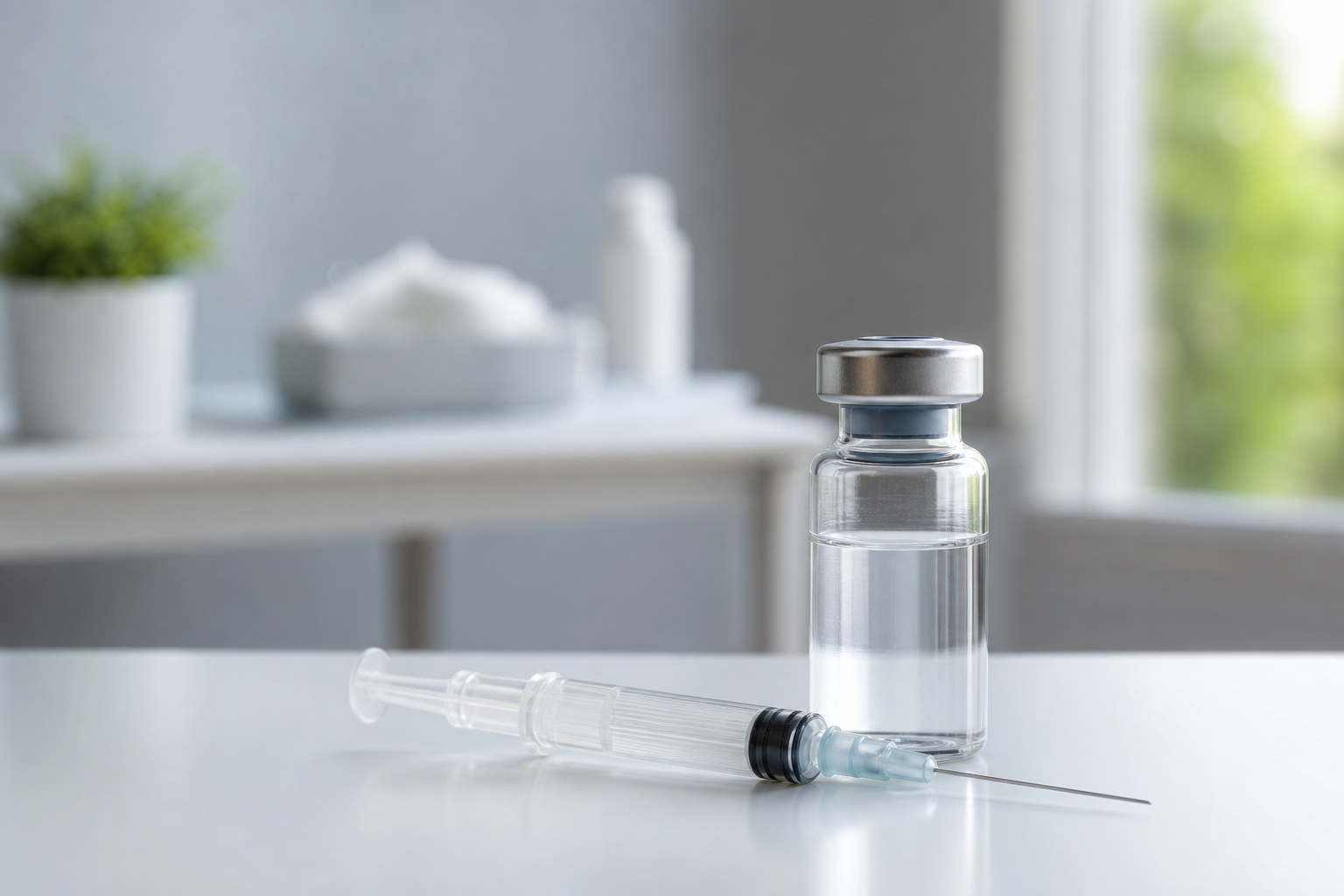
In the context of addiction care, Sublocade is used as a medication option for people living with opioid use disorder. It is one of several evidence-based choices that can be included in a treatment plan designed to help reduce the harms associated with opioid addiction and support ongoing recovery efforts. Within clinical programs that address opioid addiction, Sublocade may be offered alongside other established options such as Methadone, Suboxone, and Kadian.
Importantly, Sublocade is not a stand-alone “cure.” It is typically considered within a comprehensive plan that can also include counseling, peer and family supports, and connections to mental health and social resources. The goal is to create a stable foundation for recovery, tailored to the person’s needs and guided by clinical judgment.
How it fits into treatment plans
Many treatment settings use approaches often called medication-assisted treatment or Opioid Agonist Therapy (OAT). In these programs, medications are selected to help manage opioid dependence while additional supports address the broader picture of recovery. Sublocade is one of the medication options that may be considered within these frameworks.
Here’s how Sublocade is commonly incorporated conceptually within a plan of care:
- Assessment and planning: A clinician completes a thorough assessment and works with the patient to identify goals, safety needs, and practical considerations (for example, how follow-up appointments and supports fit into daily life).
- Medication selection: Sublocade may be discussed alongside other options such as Methadone, Suboxone, and Kadian. The choice depends on individual health history, preferences, and clinical guidance.
- Coordinated supports: Counseling, mental health and addictions programs, and family or peer supports may be added to help address stressors, triggers, and long-term recovery skills.
- Ongoing review: Treatment plans are revisited regularly to check what is working well and what might need adjusting over time.
This kind of structured, multi-faceted approach recognizes that opioid addiction affects many parts of a person’s life, and effective care often combines medication with practical resources and supportive relationships.
Who might consider it
People living with opioid use disorder who are exploring evidence-based medication options might consider asking a qualified clinician about Sublocade. Whether Sublocade is a good fit depends on individual factors, which are best reviewed with a healthcare professional who can weigh benefits, risks, health history, other medications, personal preferences, and recovery goals.
Situations where a discussion about Sublocade may come up include:
- When someone wants to explore medication options as part of OAT or a medication-assisted approach to recovery.
- When previous strategies have been challenging, and a person is reassessing which treatment components could support greater stability.
- When a clinician recommends considering multiple options (such as Methadone, Suboxone, Sublocade, and Kadian) and invites the patient to compare them with guidance.
The specifics of eligibility, dosing, and monitoring should always be discussed with a licensed prescriber who can tailor recommendations to the person’s needs.
Questions to ask your clinician
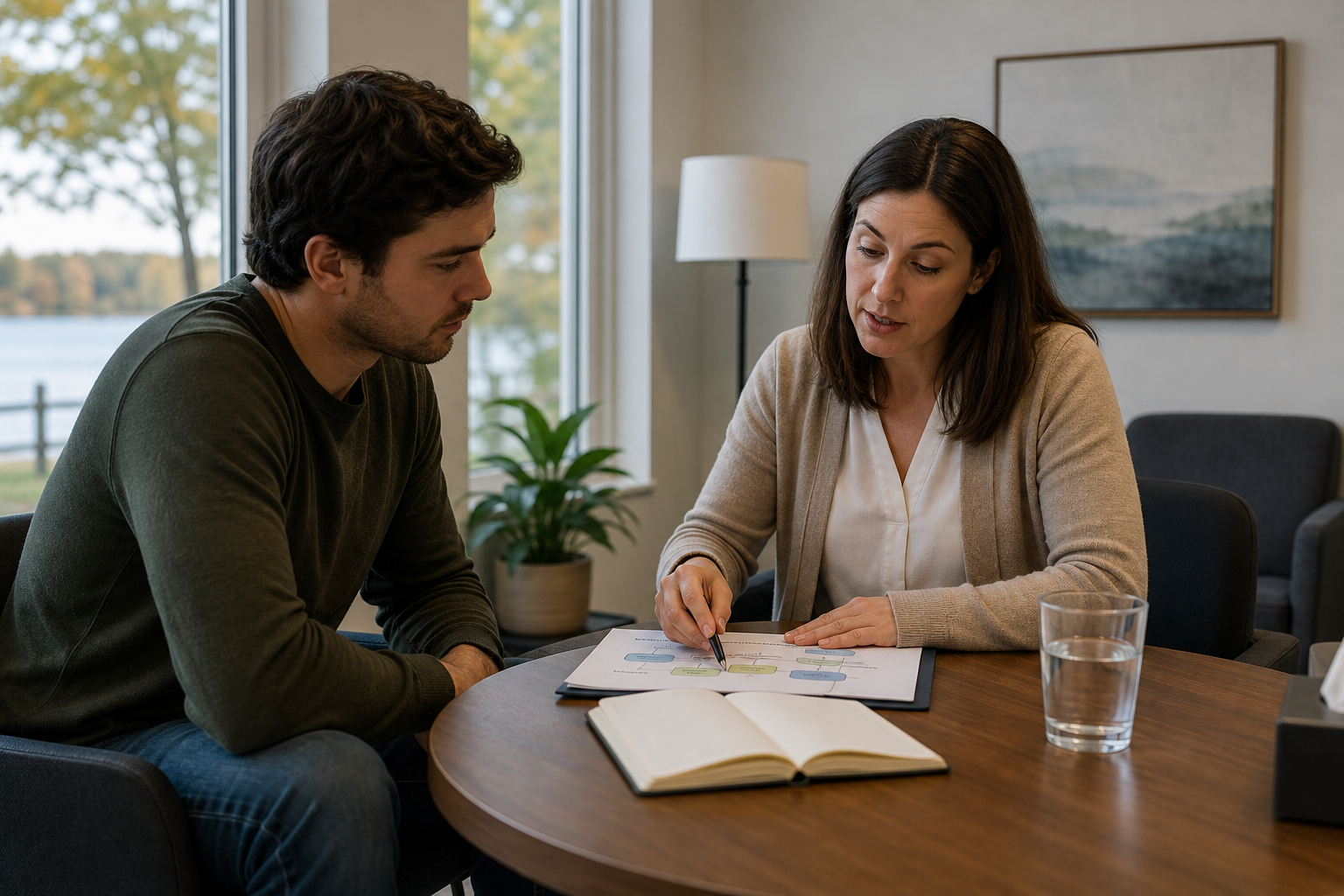
Arriving prepared can make medical appointments more productive. Consider bringing these questions to your discussion about Sublocade and related options:
- Based on my health history and current situation, is Sublocade an option for me? Why or why not?
- How would Sublocade fit into a broader plan that might include counseling or mental health and addictions programs?
- What should I do if I miss an appointment, have concerns between visits, or need additional support?
- What resources are available for family members or trusted supports who want to help?
Bringing a list of medications you take, past treatments you’ve tried, and your personal recovery goals can give your clinician a clear starting point.
Comparing common options thoughtfully
Within opioid addiction care, clinicians may discuss several medication choices, including Methadone, Suboxone, Sublocade, and Kadian. Rather than focusing on one medication as universally “best,” many people find it more helpful to compare options using a practical, decision-focused lens. Consider the following factors as you talk with your clinician:
- Your goals: What matters most to you right now—stability, comfort, minimizing certain risks, or simplifying your routine?
- Your history: Which medications or approaches have you tried before? What worked or didn’t, and why?
- Medical fit: How does each option align with your health history and current medications?
- Follow-up and support: What appointment cadence and support system will you have in place?
- Adaptability: If your needs change, how easily can your plan be adjusted?
A collaborative conversation with your clinician can help you weigh these considerations and choose a path that aligns with your values and day-to-day reality.
Practical steps to get started
If you are considering Sublocade as part of treatment for opioid use disorder, the following steps can help you prepare for a productive first conversation with a healthcare professional:
- Clarify your goals: Write down what you hope treatment will change in the next few weeks and months. Be specific about outcomes that would feel meaningful to you.
- Gather your history: Note prior treatments and medications, any side effects you experienced, and which aspects seemed most helpful.
- List current medications and health conditions: This helps clinicians evaluate safety and identify potential interactions or precautions.
- Identify supports: Consider who can help you with reminders, transportation, encouragement, or accountability as you begin or adjust treatment.
- Plan for follow-up: Ask about appointment scheduling, what to do if issues arise between visits, and how to access additional resources.
These steps can make the initial appointment more focused and ensure your care team has what they need to tailor a plan to your situation.
Risks and safeguards to discuss
All medications carry potential risks and require ongoing monitoring. Before starting or changing any treatment, discuss the following with a qualified clinician:
- Interactions: Are there medications, supplements, or substances I should avoid?
- Emergency plans: What steps should I take if I experience concerning symptoms?
- Follow-up cadence: How often should I be seen early on, and how might that change over time?
- Supportive services: Which counseling or mental health and addictions programs are available to help with triggers, stress, and relapse prevention?
Being proactive about safety creates a more predictable and supportive treatment experience.
Supporting recovery beyond medication
Medication options like Sublocade can be one part of a broader recovery plan. Many people also benefit from resources that help with daily life, resilience, and mental health. Depending on what is available to you, this might include individual or group counseling, family education, and other programs designed to address the mental health and social dimensions of addiction. If you think these supports would help, ask your clinician about referrals and ways to integrate them into your plan.
How to talk with family and supports
It can be helpful to involve trusted people in your recovery—if and when you feel comfortable. Consider the following tips:
- Share your goals first: Explain what you’re working toward and how support can make a difference.
- Set boundaries: Be clear about what is helpful and what is not, and how you want to handle setbacks.
- Use consistent updates: Agree on how and when you’ll share progress, concerns, or changes to your plan.
- Ask for practical help: Transportation to appointments, help with reminders, and encouragement add up.
Recovery is personal; choose the level of involvement that aligns with your comfort and needs.
FAQ
Is Sublocade the same as other opioid addiction medications?
Sublocade is one of several established medication options used in the treatment of opioid use disorder, alongside others such as Methadone, Suboxone, and Kadian. It is not “the same” as these medications; each option has distinct considerations. A qualified clinician can help determine which choice aligns best with your health history, preferences, and goals.
Can Sublocade be used without counseling or other supports?
Medication can play an important role, but many treatment plans also include counseling and other mental health and addictions programs. Combining medication with supportive services often provides a more comprehensive path to recovery. Ask your clinician which resources are available and how they can be integrated into your care.
How do I know if Sublocade is right for me?
Determining whether Sublocade is appropriate requires an individualized assessment by a licensed healthcare professional. Bring your medical history, current medications, and recovery goals to your appointment, and review potential benefits, risks, and alternatives together. Your clinician can help you compare options such as Methadone, Suboxone, Sublocade, and Kadian within the context of your overall plan.
What should I do if I have concerns between appointments?
Ask your clinician in advance about the best way to reach the care team with questions or concerns. If you experience urgent or severe symptoms, follow local emergency guidance. Having a clear communication plan helps ensure timely support.
Can my plan change over time if my needs evolve?
Yes. Treatment plans for opioid use disorder are often revisited and updated over time. Regular check-ins with your clinician allow you to discuss what is working well, what could be improved, and whether a different medication or additional supports might better fit your situation.
Important limitations
This article provides general information about the use of Sublocade within opioid addiction treatment. It is not medical advice, diagnosis, or a substitute for care from a qualified professional. Do not start, stop, or change any medication without guidance from a licensed clinician.