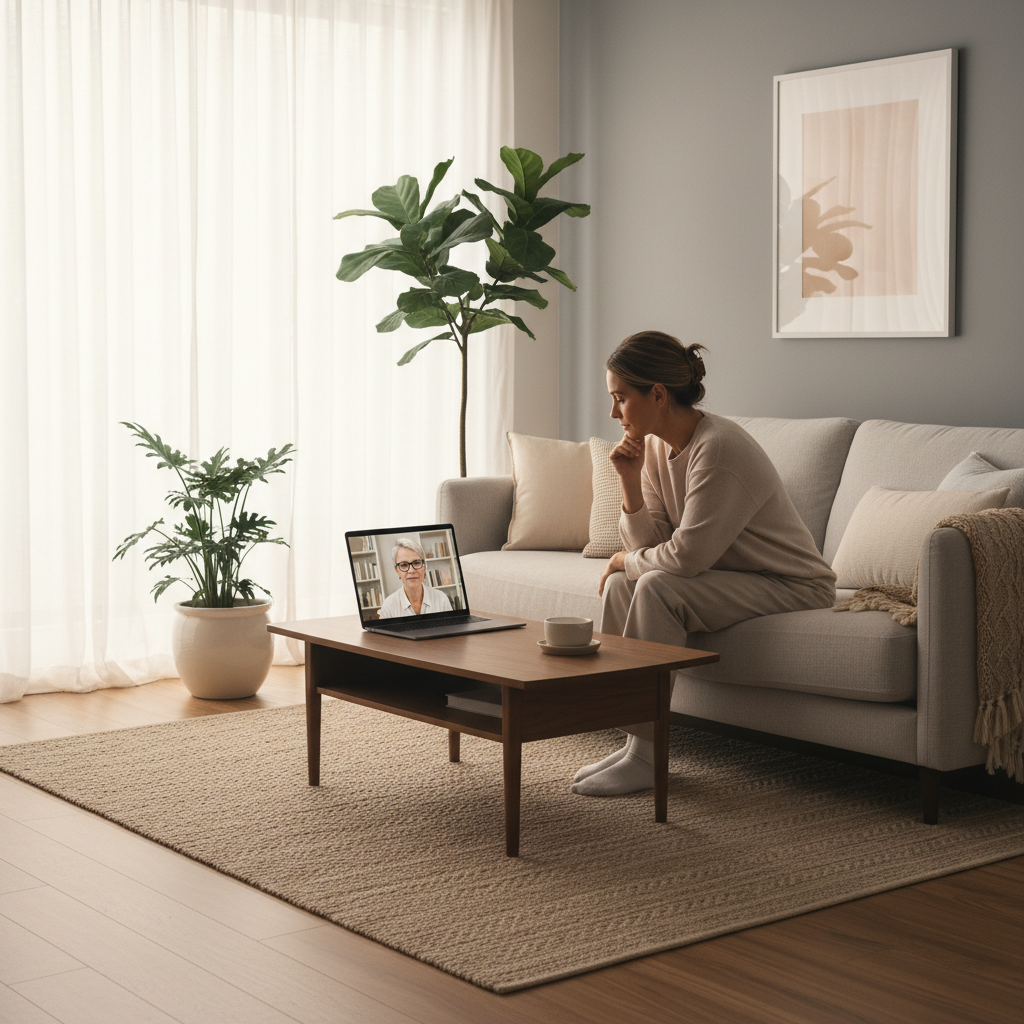
If you or a loved one is navigating addiction recovery, understanding virtual psychiatric consultation benefits can remove barriers and speed up care. In Ontario, Road To Recovery coordinates secure, virtual psychiatry referrals through trusted partners like CAMH and OTN—so you can get timely mental health support that fits your life. This complete guide explains what virtual psychiatry is, why it matters for opioid and other substance use disorders, how it works step by step with our clinics, and the practical tips you need to feel confident before your first video visit.
Quick Answer
Virtual psychiatric consultation benefits people across Ontario by improving access, privacy, and continuity of care—especially when paired with medication-assisted treatment at Road To Recovery. We coordinate secure referrals through CAMH/OTN so patients in communities like Toronto, Barrie, and Hamilton can see a psychiatrist faster without travel.
At a Glance
- What you’ll learn: Clear definitions, practical benefits, setup steps, best practices, tools, comparison tables, and real Ontario use cases.
- Who it’s for: Individuals and families seeking judgment-free help for opioid use disorder and other addictions, plus those needing mental health support.
- Why it matters: Faster access, less disruption to daily life, and integrated support with Methadone, Suboxone, Sublocade, Kadian, and broader programs.
- How we help: Road To Recovery enables same-day OAT intake (nurse then physician) and coordinates virtual psychiatry via CAMH/OTN partners.
- Primary focus: Virtual psychiatric consultation benefits for addiction recovery—what to expect and how to make it work for you.
Table of Contents
- What Is a Virtual Psychiatric Consultation?
- Why Virtual Psychiatry Matters in Addiction Care
- How It Works at Road To Recovery (Step by Step)
- Types of Virtual Psychiatric Care
- Best Practices to Get the Most From Your Visit
- Tools & Resources (Checklist Included)
- Virtual vs. In-Person vs. Hybrid (Comparison)
- Access and Coverage (No-Surprise Approach)
- Real-World Examples From Ontario Patients
- Frequently Asked Questions
- Key Takeaways & Next Steps

What Is a Virtual Psychiatric Consultation?
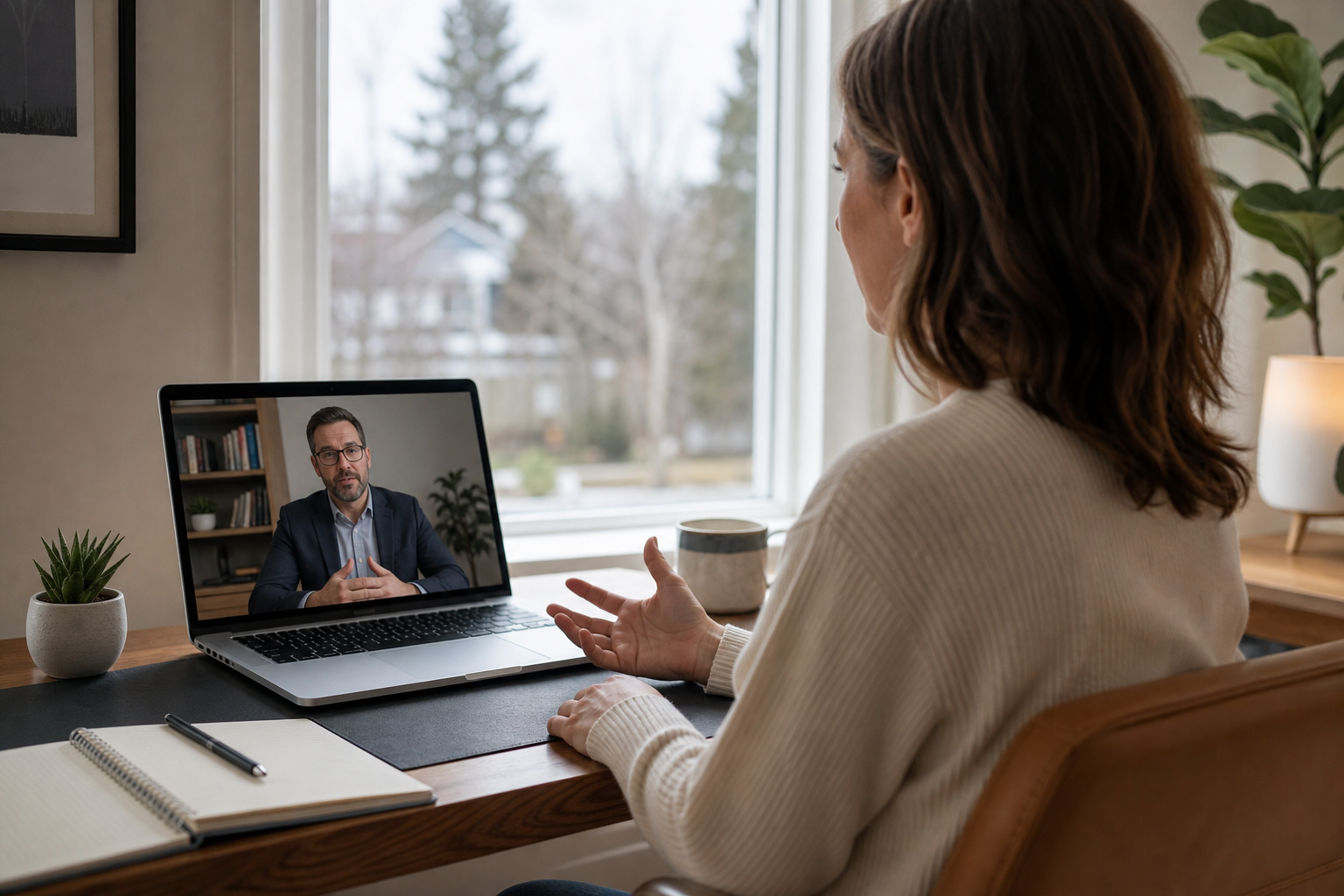
A virtual psychiatric consultation—often called telepsychiatry or video psychiatry—is a secure appointment with a licensed psychiatrist conducted by video or phone instead of in person. It’s designed to assess symptoms, confirm or refine diagnoses, recommend treatment, and coordinate follow-up care without requiring travel.
- Core purpose: Evaluate mood, anxiety, trauma, ADHD, psychosis spectrum symptoms, sleep issues, or other mental health concerns that intersect with addiction recovery.
- Clinical activities:
- Review history, medications (e.g., Methadone, Suboxone, Sublocade, Kadian), and recent changes.
- Conduct mental status examination via video (appearance, affect, thought content, insight, judgment).
- Provide diagnostic impressions and adjust or recommend psychiatric medications when appropriate.
- Coordinate therapy or community supports and set a follow-up plan.
- Where it fits: Complements Opioid Agonist Therapy (OAT) and other addiction programs by addressing co-occurring mental health conditions that can impact cravings, sleep, motivation, and stability.
- Security and privacy: Sessions are arranged through secure, health-compliant platforms (e.g., OTN) and follow strict privacy standards so you can focus on care—not logistics.
Here’s the thing: mental health symptoms and substance use triggers are closely linked. Virtual psychiatric consultation benefits include the ability to intervene earlier, fine-tune medications around your recovery plan, and keep momentum when life gets busy.
Why Virtual Psychiatry Matters in Addiction Care
Virtual care isn’t just convenient—it’s clinically meaningful for individuals working through opioid and other substance use disorders. When access improves, outcomes can follow.
- Faster access, fewer delays: Road To Recovery’s same-day OAT intake shortens the path to stabilization, and coordinated virtual psychiatry adds timely mental health input without wait-room fatigue.
- Privacy and dignity: Attend from a quiet space at home or a private room—ideal for patients who value judgment-free, confidential support.
- Continuity with OAT: Psychiatrists can coordinate with your Methadone, Suboxone, Sublocade, or Kadian plan to manage sleep, anxiety, depression, or ADHD that influence cravings and adherence.
- Reduced travel burden: Saves time for people in Toronto, Barrie, Brampton, Hamilton, Newmarket, Orillia, Sault Ste. Marie, and smaller communities—especially during winter or shift work.
- Family-inclusive options: With your consent, loved ones can join portions of a video visit to align on goals and supports.
- Stability during transition: Whether you’re changing jobs, moving, or navigating child protection requirements, virtual visits keep care consistent.
- Better follow-up cadence: Shorter, more frequent check-ins can catch issues early—before they snowball into lapses or crises.
You might be wondering, does video lose something compared to in-person? In some scenarios, yes—but for many patients, the gains in access, frequency, and privacy outweigh the trade-offs. That’s why hybrid models are popular.
How It Works at Road To Recovery (Step by Step)
We organize virtual psychiatry referrals through established partners (CAMH/OTN) while keeping your addiction treatment plan front and center. Here’s the typical flow.
- Start with intake: New OAT patients are seen by a nurse and then a physician the same day. Share concerns like anxiety, depression, trauma, sleep, or attention.
- Referral coordination: If psychiatric input will help, our team arranges a secure virtual referral through local or virtual partners (e.g., CAMH/OTN).
- Scheduling your session: You’ll receive instructions, device requirements, and privacy pointers. Choose a time that works around work, classes, or childcare.
- Pre-visit prep: Complete brief questionnaires, gather your current medications (including Methadone/Suboxone/Sublocade/Kadian), and jot down goals.
- Join the video visit: Click the link on your phone, tablet, or laptop from a quiet, well-lit spot. Headphones help with privacy.
- Assessment and plan: The psychiatrist reviews history, assesses symptoms, and discusses options—medication changes, therapy, sleep hygiene, or follow-up cadence.
- Care team alignment: Recommendations are shared back to your Road To Recovery clinician so your OAT plan and mental health plan move in sync.
- Follow-up cadence: You may book brief virtual check-ins to adjust medications or reinforce coping strategies between clinic visits.
Soft CTA: If you’re ready to add virtual psychiatric support to your recovery plan, ask your Road To Recovery clinician about a coordinated CAMH/OTN referral today. Prefer to learn more first? Explore our overview of medication-assisted treatment benefits and how mental health care fits in.
Types of Virtual Psychiatric Care
Different formats serve different goals. Your team will help you choose what fits best—often a mix over time.
- Video consultation (standard): Real-time evaluation and treatment planning using a secure platform. Best for initial assessments and medication reviews.
- Phone consultation: Helpful when bandwidth is limited or devices are older. Suitable for brief follow-ups, safety check-ins, and medication tweaks.
- Hybrid visits: Combine in-person clinic visits (for vitals, urine drug screens, injections like Sublocade) with virtual psychiatric sessions for therapy or med management.
- Family or collateral-involved sessions: With consent, bring in a partner, parent, or case worker to coordinate supports and reduce misunderstandings.
- Group psychoeducation (virtual): Skill-building on sleep, stress, or relapse prevention delivered online in a moderated format.
- Asynchronous follow-ups: Secure messaging to report side effects or ask clarifying questions between scheduled sessions, when available through partner platforms.
Most patients use video for deep-dive assessments and brief virtual follow-ups to fine-tune care—a rhythm that fits with work and family life.

Best Practices to Get the Most From Your Visit
A few small steps can make your appointment smoother and more productive.
Set Up Your Space
- Choose privacy: A bedroom, parked car, or private room at home works well. Use headphones to reduce noise and protect privacy.
- Light your face: Sit facing a window or lamp. Good lighting helps the clinician read nonverbal cues.
- Stabilize your device: Prop your phone or laptop so you can relax and speak freely without holding it.
Bring the Right Information
- Medication list: Include all prescriptions and supplements—especially your OAT medication (Methadone/Suboxone/Sublocade/Kadian) and any recent changes.
- Symptom notes: Jot down sleep times, mood swings, cravings, triggers, or attention challenges from the past two weeks.
- Goals and questions: Examples: “Improve sleep,” “reduce panic on transit,” “manage attention at work,” “plan for finals week,” or “align with my CAS plan.”
Tech Check
- Test your link early: Click the visit link 10 minutes before your appointment.
- Backup plan: If video drops, switch to phone. Keep your ringer on.
- Headphones and charger: Better audio, fewer distractions, and battery peace of mind.
After the Visit
- Summarize your plan: Note medication changes, coping skills, and next steps.
- Book follow-ups: Brief virtual check-ins can prevent small issues from becoming setbacks.
- Loop in your clinic team: Your Road To Recovery clinician aligns OAT and psychiatric plans so everything works together.
Tools & Resources (Checklist Included)
You don’t need much to get started, but a few tools make virtual psychiatric care easier and more private.
- Smartphone, tablet, or laptop: Any recent device with a camera and microphone works.
- Stable internet or data: Video is ideal; phone works if bandwidth is low.
- Headphones with mic: Improves audio quality and privacy.
- Quiet, well-lit space: Better communication and focus.
- Secure platform access: Follow your referral instructions for OTN or partner portals.
| Tool | Why It Helps | Quick Tips |
|---|---|---|
| Phone or Laptop | Access video visits anywhere | Update browser; keep charger nearby |
| Headphones | Privacy and clear audio | Wired or Bluetooth both fine |
| Quiet Space | Better focus and comfort | Face a light source; sit comfortably |
| OTN/CAMH Portal | Security, reliability, reminders | Save the link; test before visit |
One-Page Prep Checklist
- Confirm your appointment time and referral link.
- Pick a private, well-lit spot; grab headphones.
- List all meds, including your OAT and any side effects.
- Write 2–3 goals and 3 questions.
- Test your device and backup to phone if needed.
- Have pen and paper (or notes app) ready.
Virtual vs. In-Person vs. Hybrid (Comparison)
Use this quick comparison to decide what fits your current goals. Many patients rotate approaches over time.
| Approach | Strengths | Trade-Offs | Best Use |
|---|---|---|---|
| Virtual (Video/Phone) | Fast access, private, flexible, easy follow-ups | Tech hiccups; limited physical exam | Assessments, med management, frequent check-ins |
| In-Person | Full exam, labs, in-clinic monitoring | Travel/time; scheduling constraints | Complex presentations; injections; urgent assessments |
| Hybrid | Best-of-both; flexible cadence | Requires coordination | Ongoing care with changing needs |
Access and Coverage (No-Surprise Approach)
People often ask about “pricing,” but the smarter first step is understanding access and coverage. While policies vary, here’s how to think about it without getting lost in details.
- Coverage basics: Psychiatric services may be supported through provincial coverage or private benefits. Your referral includes instructions about the virtual platform and any administrative steps to confirm eligibility.
- No wasted time: Virtual care reduces time away from work, school, childcare, and transit—savings that matter during recovery.
- Efficient follow-ups: Shorter, more frequent virtual check-ins can keep you on track without disrupting your day.
- Coordination first: Road To Recovery helps coordinate referrals through partners like CAMH/OTN so you spend less energy navigating systems and more on healing.
- What to ask: “Do I need anything for the visit?” “Which portal do I use?” “Who receives the psychiatrist’s notes?” “When should I book follow-up?”
Bottom line: focus on value—speed, privacy, and continuity. Those are the virtual psychiatric consultation benefits that protect your progress.
Real-World Examples From Ontario Patients
These brief, anonymized scenarios reflect how virtual psychiatry integrates with addiction care at Road To Recovery. They’re illustrations, not medical advice.
- Methadone + insomnia (Toronto): Virtual assessment adjusts timing and sleep hygiene, reducing late-night cravings.
- Suboxone + ADHD (Barrie): Video evaluation clarifies attention challenges; treatment plan supports school deadlines.
- Sublocade + anxiety (Brampton): Psychiatrist adds non-sedating strategies to reduce panic on public transit.
- Kadian + depression (Hamilton): Medication review plus behavioral activation increases routine and energy.
- Alcohol program + sleep (Newmarket): Virtual plan addresses early-morning wakeups that trigger relapse risk.
- Cocaine program + mood (Orillia): Mood stabilization reduces binge patterns; frequent brief video check-ins maintain gains.
- Gambling program + stress (Sault Ste. Marie): Coping plan targets payday triggers with structured supports.
- Smoking cessation + anxiety (Toronto): Telepsychiatry guidance on anxiety management improves quit attempts.
- Men’s health + PTSD (Hamilton): Trauma-informed strategies integrated with OAT promote steadier sleep and focus.
- OAT + exam season (Barrie): Virtual session aligns study plan, nutrition, and breaks to prevent burnout.
- SOS + housing move (Toronto): Follow-ups continue by video during relocation; no care gap.
- CAS involvement (GTA): With consent, case worker joins part of visit to synchronize expectations and documentation.
- Shift work (Hamilton): Early-morning virtual check-ins maintain medication adherence and sleep rhythm.
- Winter travel (Orillia): Phone visits keep care consistent when weather disrupts transit.
Frequently Asked Questions
Quick, clear answers to common questions about virtual psychiatric consultation benefits and how they work with addiction care.
How do I know if virtual psychiatry is right for me?
It’s a good fit if you want faster access, privacy, and flexibility without pausing your routine. It complements OAT—Methadone, Suboxone, Sublocade, or Kadian—by addressing co-occurring symptoms like sleep problems, anxiety, depression, or attention issues. Your Road To Recovery clinician will help decide the best mix of virtual, in-person, or hybrid based on your goals and safety considerations.
What technology do I need for a video visit?
A smartphone, tablet, or laptop with a camera and microphone works. A stable internet connection is ideal, but phone visits are an option if bandwidth is limited. Headphones improve privacy. You’ll receive a secure link and instructions for the partner platform (e.g., OTN) with your referral.
Can family or supports join my virtual session?
Yes—with your consent. Many patients invite a partner, parent, or case worker for part of the visit to align on safety plans, daily routines, or documentation needs (such as CAS). You can also request time alone with the psychiatrist to speak privately.
Will the psychiatrist coordinate with my addiction treatment plan?
Yes. Recommendations are shared with your Road To Recovery clinician so OAT and psychiatric care move together. This integration helps prevent mixed messages, reduces risk of medication conflicts, and supports stable routines for sleep, work, or school.
What if my connection drops during the appointment?
No problem—switch to phone. Keep your ringer on and stay near a charger. Platform instructions usually include a dial-in alternative, and your clinician can reschedule if needed. The focus is on continuity, not perfection.
Local Tips
- Tip 1: If you commute near Yonge–Dundas Square or St. James Town, consider booking early-morning video visits to avoid rush-hour noise and ensure privacy.
- Tip 2: Winter weather can complicate travel across the GTA and Simcoe County; plan virtual follow-ups during storms so care stays consistent.
- Tip 3: Living with roommates? Use headphones and sit facing a window for better lighting and privacy during your session—quick, simple, and effective.
IMPORTANT: Ask your Road To Recovery clinician to coordinate CAMH/OTN referrals so your virtual psychiatry plan fits seamlessly with your OAT or other program.
Key Takeaways & Next Steps
- Virtual psychiatry speeds up access and protects privacy—critical for momentum in recovery.
- Integration with OAT matters: Align Methadone, Suboxone, Sublocade, or Kadian plans with psychiatric support.
- Prepare your space and tech for a smoother, more productive visit.
- Use hybrid care to combine clinic essentials with flexible virtual follow-ups.
- Coordinate through your clinic so referrals, notes, and follow-ups stay in sync.
Ready to start? Speak with your Road To Recovery clinician about arranging a virtual psychiatric consultation through CAMH/OTN partners. If you’re exploring broader supports, our overview of alcohol addiction treatment programs in Ontario is a helpful next read.
Final CTA: Your recovery plan can include timely virtual psychiatric support. Ask us about setting up a secure referral today and keep your care moving forward—on your schedule.
Recent Post



You are Valued
Road to Recovery is an outpatient opioid detoxification center, with locations across Ontario.
- Confidential care
- Same-day support
- Personalized treatment