
You want a safe, fast way to start recovery without leaving your life behind. That’s exactly what the outpatient addiction detoxification process delivers. In this complete, practical guide, we’ll demystify the first 72 hours, show you how medical support eases withdrawal, and explain how Ontario’s Road To Recovery clinics help you stabilize—without a hospital stay.
Quick Answer
The outpatient addiction detoxification process uses evidence-based medications, nursing checks, and physician oversight to control withdrawal without an inpatient admission. Across Ontario, Road To Recovery offers same-day intake for opioid addiction and rapid starts with Methadone, Suboxone, Sublocade, or Kadian—confidential and judgment-free.
At a Glance
- What you’ll learn: what outpatient detox is, why it matters, and the exact steps from secure intake to stabilization and maintenance.
- Who this helps: people in Ontario who want confidential, judgment-free care, reduced wait times, and coordinated mental health support.
- Why Road To Recovery: multiple medication-assisted treatment (MAT) options under one network, same-day nurse and physician support for new opioid intakes, and psychiatry referrals (local or virtual via CAMH/OTN partners).
Table of Contents
- Overview
- What Is the Outpatient Addiction Detoxification Process?
- Why Outpatient Detox Matters
- Who Is a Good Fit (and who isn’t)
- How the Process Works: Step-by-Step
- Treatment Types and Approaches
- Typical Withdrawal Timelines
- Best Practices for Safe Ambulatory Detox
- Checklists, Tools, and Resources
- Real-World Examples
- FAQ
- Key Takeaways
- Conclusion and Next Steps
Overview
- Core concept: Start recovery in a clinic (not a hospital), using medication-assisted treatment and frequent check-ins to calm withdrawal and cravings.
- Speed: Road To Recovery streamlines intake so new opioid addiction patients see a nurse and then a physician the same day they start.
- Personalization: Plans span Methadone, Suboxone, Sublocade, Kadian, and supportive therapies—matched to your substance history and goals.
- Whole-person care: Coordinated psychiatry referrals (CAMH/OTN) and mental health supports address co-occurring conditions.
- Privacy and dignity: A confidential, judgment-free environment helps you focus on getting well.
Here’s the thing: clarity lowers anxiety. When you understand the outpatient addiction detoxification process, the first week feels manageable—and that momentum matters.
What Is the Outpatient Addiction Detoxification Process?
Outpatient detox is a structured, medically supervised way to reduce withdrawal and stabilize substance use without staying overnight in a hospital. Care happens in scheduled clinic visits while you sleep at home.
- What it includes: secure intake, nursing triage, physician assessment, medication induction, and frequent follow-ups.
- What it’s for: opioid use disorder and other substance concerns when it’s safe to manage symptoms in a community clinic.
- What it isn’t: DIY detox, inpatient rehab, or a one-size-fits-all plan. Your dosing and follow-up cadence are individualized.
- Medication backbone: evidence-based MAT (Methadone, Suboxone, Sublocade, Kadian) chosen to fit your tolerance, history, and goals.
- Supportive care: brief counseling, harm reduction tools, and psychiatry referrals when needed.
Want a deeper dive on why medications help? See our plain-language explainer on medication-assisted treatment benefits—how these medicines calm withdrawal and protect your progress.
Why Outpatient Detox Matters
For many people, outpatient care is the fastest way to start feeling better while staying close to family, work, and daily routines.
- Faster start: same-day intake for opioid addiction prevents long, risky delays.
- Life-friendly: you attend clinic visits, then return home—no hospital admission needed.
- Privacy: discreet clinic settings and a judgment-free culture let you focus on recovery, not stigma.
- Choice under one roof: Methadone, Suboxone, Sublocade, and Kadian are available within the same network.
- Whole-person support: psychiatry referrals coordinated locally or virtually through CAMH/OTN partners.
Local Tips
- Tip 1: If you’re heading to downtown Toronto, build in extra time around Yonge & Dundas or St. James Town—traffic and parking can add stress on day one.
- Tip 2: In winter, road conditions can change quickly in Barrie, Newmarket, and Sault Ste. Marie. Book earlier appointments to avoid late-day storms.
- Tip 3: Planning a virtual psychiatry visit? Test your device and connection ahead of time; clinic teams can help you run a quick tech check.
IMPORTANT: These small steps make same-day intake and early follow-ups smoother—when it counts most.
Who Is a Good Fit (and who isn’t)
Safety first. Your care team screens to confirm outpatient detox is appropriate—and flags when more intensive monitoring is safer.
- Generally a good fit:
- Motivated to start MAT and attend frequent early visits.
- Stable vital signs and no severe medical complications.
- Has a safe place to sleep and a reachable phone.
- Can arrange transportation for induction and dose titration days.
- May require higher-level care (inpatient or ER):
- Signs of complicated alcohol withdrawal risk (e.g., history of seizures or delirium tremens).
- Uncontrolled medical conditions requiring continuous monitoring.
- Pregnancy with additional risk factors—needs specialized assessment.
- Severe psychiatric instability or imminent risk to self.
- What if you’re unsure? Start the secure intake. Nursing triage will guide you to the safest setting, even if that means arranging a higher level of care.
How the Process Works: Step-by-Step
Here’s how a typical outpatient pathway runs at a community clinic like Road To Recovery.
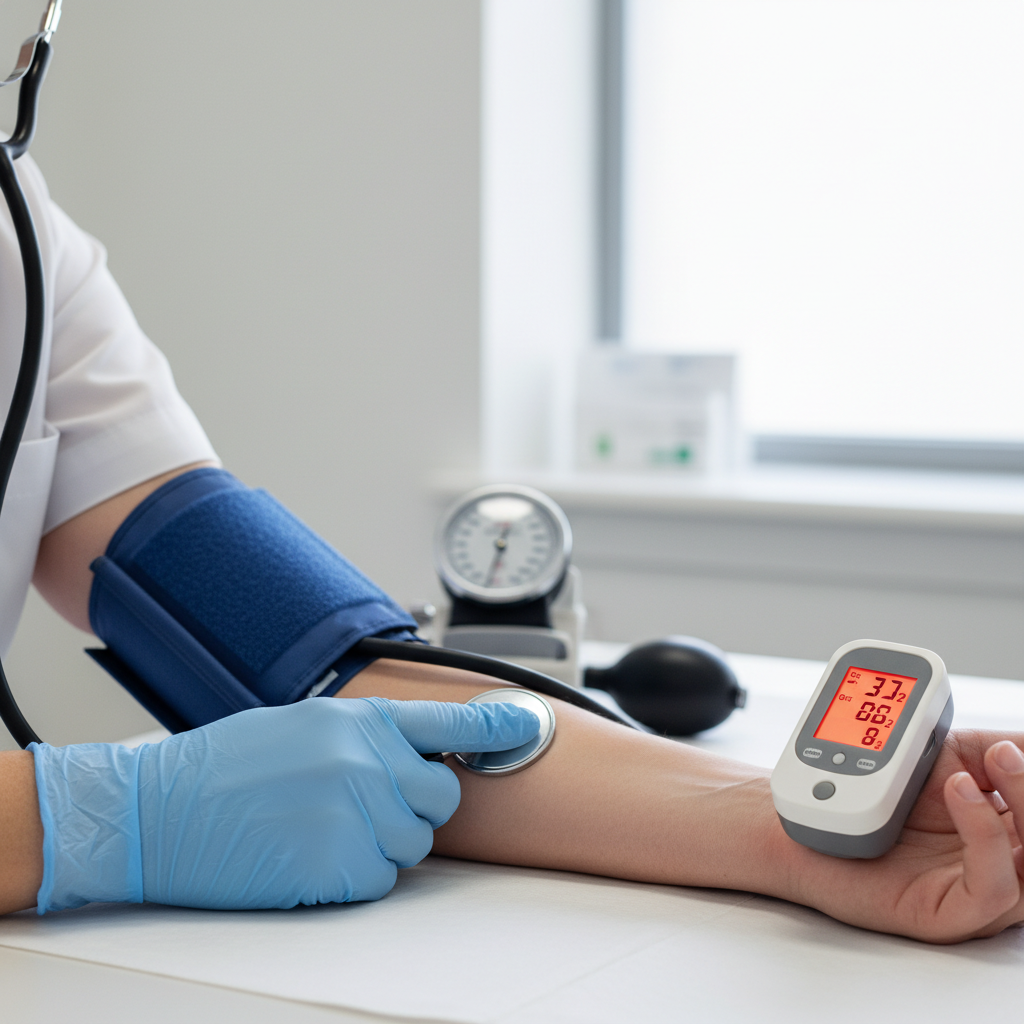
Step 1: Secure Intake (Online or Walk-In)
- Complete a confidential online intake to accelerate day one, or walk in for guided support.
- Share medical history, allergies, current medications, and recovery goals.
- With your consent, a family member can provide helpful context.
Not sure which medication fits? Our overview of opioid use disorder recovery options outlines common starting points you can discuss with your clinician.
Step 2: Nursing Triage and Safety Screen
- Vital signs and withdrawal assessments (when indicated) establish a baseline.
- Red flags (e.g., severe dehydration, confusion) trigger a higher level of care.
- Recent substance use timing is reviewed to plan safe induction and avoid precipitated withdrawal.
Step 3: Physician Assessment and MAT Plan
- Physician reviews your history and exam findings, then recommends a medication path.
- Methadone: full agonist suitable for higher tolerance; gradual titration suppresses cravings and withdrawal.
- Suboxone (buprenorphine/naloxone): partial agonist with a ceiling effect; start once mild-to-moderate withdrawal begins.
- Sublocade (extended-release buprenorphine): once-monthly injection after buprenorphine stabilization; supports adherence.
- Kadian (slow-release morphine): selective option in experienced hands, following provincial guidance.
Step 4: Induction and Early Stabilization
- First doses are supervised with clear instructions for the next 24–72 hours.
- Short, frequent check-ins fine-tune dosing to your physiology and symptoms.
- Harm reduction tools (e.g., take-home naloxone) and safety planning reduce risk early on.
Step 5: Add Counseling and Mental Health Supports
- Brief counseling in clinic focuses on sleep, nutrition, triggers, and coping skills.
- Psychiatry referral services (local or virtual) address depression, anxiety, PTSD, or ADHD.
- With your permission, family receives education and boundaries guidance.
Step 6: Transition to Maintenance or Taper
- When stable, decide with your clinician whether to maintain (e.g., Methadone, Suboxone, or Sublocade) or consider a gradual taper.
- Relapse prevention planning covers trigger management, routines, and community supports.
- Follow-up frequency tapers as you progress and feel confident.
Process Snapshot: Outpatient vs. Inpatient
| Feature | Outpatient Detox | Inpatient Detox |
|---|---|---|
| Setting | Clinic visits; home between visits | 24/7 supervised unit |
| Speed to start | Often same-day intake for opioid use | Dependent on bed availability |
| Privacy | Discreet community clinics | Hospital environment |
| Suitability | Stable patients with support | Complex medical/psychiatric needs |
| Medications | Methadone, Suboxone, Sublocade, Kadian | Broader options under continuous monitoring |
Treatment Types and Approaches
There’s no single “right” plan—your clinician matches options to your goals, tolerance, and medical history.
Opioid Agonist Therapy (OAT) Options
- Methadone Program: best for higher tolerance or long-standing use; daily dosing with gradual, safe titration.
- Suboxone Program: buprenorphine/naloxone with a safety ceiling; flexible take-home schedules as you stabilize.
- Sublocade: monthly buprenorphine injection after stabilization; reduces daily decision fatigue and supports adherence.
- Kadian Program: long-acting morphine option considered selectively by experienced teams.
- Safer Opioid Supply (SOS): harm reduction service for eligible patients, integrated within a comprehensive care plan.
Alcohol, Cocaine, and Nicotine
- Alcohol: low-to-moderate risk may be managed outpatient; higher-risk cases (history of seizures/DTs) need monitored settings.
- Cocaine: no FDA-approved MAT, but structured therapy, sleep support, and psychiatric care improve outcomes.
- Smoking cessation: nicotine replacement, medications, and coaching can begin alongside OAT to support whole-person health.
Behavioral and Mental Health Supports
- Brief interventions and motivational interviewing during early visits.
- Psychiatry referral services via local partners or virtual care (CAMH/OTN pathways).
- Family and individual resources to strengthen your support network.

Typical Withdrawal Timelines
Timelines vary, but understanding windows helps you plan rides, meals, and rest.
- Fentanyl/heroin (with OAT induction):
- Onset: 8–24 hours after last use (often sooner for short-acting opioids).
- Peak: 24–72 hours; cravings and body aches are common.
- Stabilization: dose adjustments over the first week help smooth symptoms.
- Prescription opioids (oxycodone, hydromorphone):
- Onset: 8–24 hours depending on formulation.
- Peak: 48–72 hours; sleep and temperature swings may flare.
- Stabilization: weekly follow-ups tailor dosing to function and comfort.
- Alcohol (outpatient-appropriate, low-to-moderate risk only):
- Onset: 6–12 hours; anxiety and tremor possible.
- Peak: 24–72 hours; higher-risk signs warrant monitored care.
- Stabilization: counseling, sleep support, and medical follow-up.
- Cocaine:
- Onset: hours; “crash” involves fatigue and sleep changes.
- Peak: 1–3 days; low mood and cravings common.
- Stabilization: therapy, routine building, and psychiatric support.
Best Practices for Safe Ambulatory Detox
These habits make the first week safer and more comfortable.
- Use the meds: don’t white-knuckle withdrawal—MAT is there to relieve symptoms safely.
- Show up early and often: short, frequent check-ins during induction enable precise dose adjustments.
- Fuel and fluids: small, frequent meals and hydration reduce nausea, cramps, and dizziness.
- Sleep hygiene: keep a regular bedtime, dim lights, and avoid screens late to reset your sleep-wake cycle.
- Plan transportation: pre-arrange rides for induction and early titration days.
- Bring a supporter: a trusted person can help remember instructions and keep you accountable.
- Track symptoms: use a simple craving/symptom log to guide dose changes.
- Carry naloxone: vital harm-reduction tool for you and your community.
- Book next visits before leaving: protect your calendar while motivation is high.
Checklists, Tools, and Resources
Move from reading to action with these simple, practical tools.
What to Bring on Day One
- Government-issued ID and your health card (if applicable).
- Medication list, allergies, and recent prescriptions.
- Emergency contacts and preferred pharmacy.
- Comfort items (water bottle, light snack) and a charged phone.
- Transportation plan for the next 48–72 hours.
Your First 72 Hours Plan
- Induction day: arrive a little early, eat lightly, and bring your ride plan.
- Evening of day 1: hydrate, light meal, wind-down routine, set out clothes and documents for morning.
- Day 2–3: brief clinic check-in, dose review, note triggers and relief patterns in your log.
- End of day 3: confirm your next appointment and review your safety plan.
Conversation Starters (to make appointments count)
- “My worst symptom in the last 24 hours was…”
- “The dose helped with X but I still struggle with Y.”
- “I noticed sleep/cravings improved when I did…”
- “Here’s my goal for the next 7 days and the barrier I expect.”
Helpful Articles from Our Team
- Understanding MAT benefits in plain language so you know what to expect.
- Comparing common recovery options for opioid use disorder to decide your next step.
- Exploring whether you fit an outpatient alcohol treatment pathway in Ontario.
Talk to a Clinician (Soft CTA)
If you’re ready to start, our intake flow is designed to get you seen by a nurse and a physician on the same day for opioid addiction care. Tell us your goals—we’ll tailor the plan.
Real-World Examples
Details are changed to protect privacy, but the patterns reflect real clinic pathways.
- “R,” downtown Toronto; fentanyl use and shift work:
- Same-day intake, Suboxone induction once mild withdrawal started.
- By week 3, transitioned to monthly Sublocade to fit night shifts.
- Result: cravings eased, work attendance and sleep stabilized.
- “L,” Barrie commuter; long history of prescribed opioids:
- Methadone start with careful titration and weekly counseling.
- Sleep hygiene plan and hydration check-ins reduced daytime fatigue.
- Result: steady energy, fewer triggers by week 4.
- “A,” Hamilton parent seeking privacy:
- Kadian considered after thorough review; local psychiatry referral for anxiety.
- Family received boundary-setting resources with patient consent.
- Result: fewer panic spikes, calmer home routines.
- “T,” Newmarket; previous precipitated withdrawal fear:
- Suboxone micro-induction across 5 days with daily check-ins.
- Switched to standard dosing once comfortable; maintained weekly for a month.
- Result: avoided precipitated withdrawal, built confidence in the plan.
FAQ
How long does outpatient detox take?
Acute stabilization commonly spans 3–7 days, with the most active dose adjustments in the first 72 hours. Many people continue maintenance medications for months or longer while they rebuild routines and supports. Your timeline depends on substance, tolerance, health, and daily responsibilities.
Is outpatient detox safe?
Yes—when medically supervised with proper screening, evidence-based medications, and frequent follow-ups. If nursing or physician assessments find red flags (for example, a high risk of severe alcohol withdrawal), you’ll be directed to a safer, higher level of care first.
Which is better—Methadone, Suboxone, Sublocade, or Kadian?
It depends on your history, tolerance, and goals. Many start with Suboxone or Methadone; some transition to monthly Sublocade after stabilizing. Kadian may be considered in select cases by experienced clinicians following provincial guidance.
Can I keep working or caring for family during outpatient detox?
Often, yes. That’s a major benefit of outpatient care. You’ll schedule clinic visits around responsibilities while receiving medical support, counseling, and (if needed) coordinated psychiatry referrals.
What if I slip?
Tell your clinician—no judgment. Plans can be adjusted, doses fine-tuned, and extra supports added. Recovery is a process; slips are data, not destiny.
Key Takeaways
- The outpatient addiction detoxification process uses medications and frequent check-ins to stabilize you without a hospital admission.
- Road To Recovery reduces wait times with same-day nurse and physician support for new opioid addiction intakes.
- Multiple MAT options—Methadone, Suboxone, Sublocade, Kadian—are available within one confidential, judgment-free network.
- Coordinated psychiatry referrals (local or virtual) support whole-person recovery.
Conclusion and Next Steps
- Start quickly: a secure intake and same-day nurse and physician support help you move from research to relief.
- Stick with the plan: early, frequent check-ins fine-tune comfort and prevent avoidable setbacks.
- Build your circle: counseling, family education, and psychiatry referrals strengthen long-term results.
You don’t have to do this alone. If you’re in Ontario and ready to begin, our clinics can help you start—discreetly, compassionately, and fast.





You are Valued
Road to Recovery is an outpatient opioid detoxification center, with locations across Ontario.
- Confidential care
- Same-day support
- Personalized treatment