A Sublocade prescription is a monthly, extended-release buprenorphine injection used to treat opioid use disorder. It delivers steady medication levels for 26–30 days, helping reduce cravings and withdrawal. In all over ontario, Road To Recovery offers judgment-free, same-day intake to help eligible patients transition to Sublocade safely and continue care with coordinated mental health support.
By Road To Recovery • Last updated: 2026-06-06
Quick Summary
Sublocade is a once-monthly buprenorphine injection for opioid use disorder. You typically stabilize on Suboxone first (at least 7 days), then switch to monthly 100 mg or 300 mg injections. Road To Recovery supports same-day intake, physician evaluation, and ongoing monitoring across Ontario locations.
Here’s what you’ll learn and how this guide helps you move forward with confidence:
- What a Sublocade prescription actually involves and who qualifies
- How induction from Suboxone works and what “steady state” means
- Step-by-step: intake, evaluation, first injection, and follow-ups
- Safety, side effects, and real-world tips from outpatient practice
- How Road To Recovery coordinates psychiatry referrals and support
What is a Sublocade prescription?
A Sublocade prescription authorizes once-monthly, extended-release buprenorphine injections for opioid use disorder. Patients usually stabilize on daily Suboxone first, then receive 300 mg for two months, followed by 100 mg or 300 mg monthly. The medicine forms a depot under the skin, releasing steadily over 26–30 days.
Sublocade refers to buprenorphine extended-release (ER) given as a subcutaneous injection by a trained clinician, not a take-home product. Two prefilled syringe strengths are available: 100 mg/0.5 mL and 300 mg/1.5 mL. The injection is administered into abdominal subcutaneous tissue and rotates sites to reduce local reactions.
- Therapeutic goal: Maintain stable buprenorphine levels to curb cravings and withdrawal.
- Monthly interval: Injections are scheduled every 26–30 days to maintain coverage.
- Office-administered: There is no at-home self-injection; dosing is clinic-based.
- Depot mechanism: Medication polymerizes into a small depot that slowly dissolves.
- Steady state: Typically achieved after several monthly doses (often 4–6 months).
For people who struggle with daily dosing or medication storage, a Sublocade prescription can simplify routines, reduce diversion risk, and support privacy. At Road To Recovery, clinicians align dosing and behavioral supports to each person’s stage of recovery.
Why Sublocade matters
Sublocade helps stabilize recovery by removing daily dosing decisions and delivering consistent buprenorphine levels. Monthly injections can improve adherence, support privacy, and reduce diversion risk compared with take-home medications—key advantages in outpatient, community-based care.
Why does this matter? Recovery is a marathon of small, consistent wins. Daily tablets or films can be lost, stolen, or skipped during stressful periods. A once-monthly injection removes that burden for many patients while keeping therapeutic buprenorphine on board every day between visits.
- Consistency: The 26–30 day release window smooths peaks and troughs that can fuel cravings.
- Privacy: Monthly clinic visits can feel more discreet than managing daily medication at home.
- Safety: Office-based administration lowers diversion and accidental exposure.
- Structure: Scheduled check-ins promote early problem-solving and relapse prevention.
- Integration: Road To Recovery coordinates psychiatry referrals (local or virtual) when mood, anxiety, or trauma symptoms complicate recovery.
In our experience supporting patients all over ontario, the patients who benefit most are those who are stable on Suboxone but want less daily friction, work irregular shifts, travel frequently, or juggle family responsibilities that make daily dosing hard.
How Sublocade works
Sublocade is injected under the skin of the abdomen, where it forms a depot that releases buprenorphine steadily for about a month. Two loading doses (300 mg each) usually start therapy, followed by 100 mg or 300 mg monthly based on cravings, withdrawal control, and clinical assessment.
Buprenorphine is a partial opioid agonist with strong receptor affinity. In depot form, it maintains steady plasma levels, often reaching steady state after several months of consistent dosing. The injection site is rotated monthly. Most injections take a few minutes, and patients remain briefly afterward for observation.
- Typical induction path: Stabilize on sublingual buprenorphine/naloxone (Suboxone) for ≥7 days to confirm tolerance and dose needs.
- Loading phase: 300 mg at Month 1 and Month 2 helps build therapeutic tissue levels.
- Maintenance phase: 100 mg monthly often suffices; 300 mg may continue if cravings persist.
- Visit cadence: Every 26–30 days for assessment, consent, injection, and planning.
- Monitoring: Vitals, side effects, urine drug screens, and recovery goals guide adjustments.
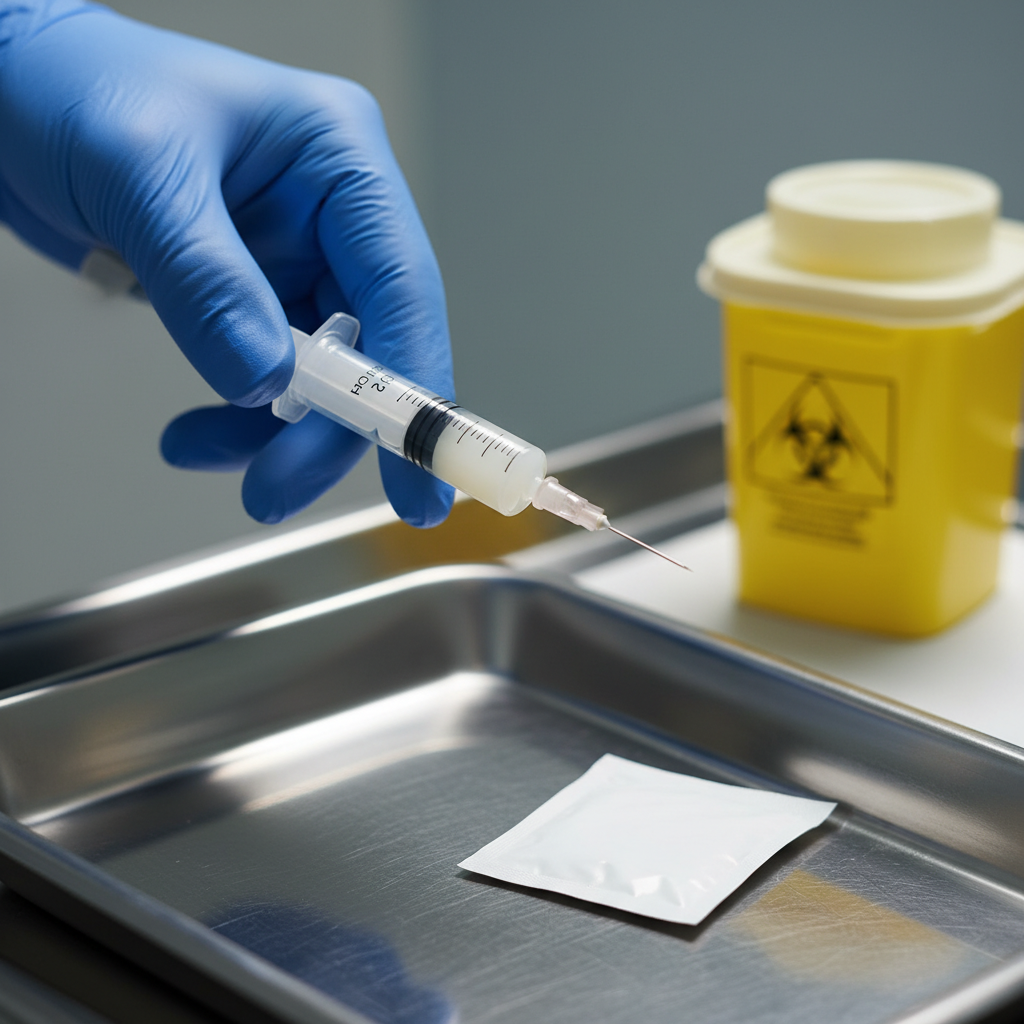
Common side effects include injection-site pain or redness, constipation, headache, and sedation. Rarely, significant local reactions may require site changes. Because buprenorphine can cause respiratory depression when combined with sedatives, clinicians review all medications and substance use prior to each dose.
How to get a Sublocade prescription in Ontario
Start with a same-day intake at Road To Recovery. You’ll meet a nurse and physician, review your history, stabilize on Suboxone if needed, and schedule your first monthly injection. Follow-up visits every 26–30 days include assessment, monitoring, and coordinated supports.
- Start your intake: Use our secure online portal to share history, goals, and current medications.
- Same-day nurse triage: We check vitals, withdrawal symptoms, and urgent concerns.
- Physician assessment: Confirm diagnosis, discuss options (Suboxone, Methadone, Kadian, Sublocade), and align on a plan.
- Stabilize (if needed): Most patients spend ≥7 days on Suboxone to confirm dose tolerance.
- First injection: Receive 300 mg in-clinic with brief observation; plan next appointment in 26–30 days.
- Ongoing monitoring: Review cravings, side effects, mental health, and recovery goals each month.
To connect with a prescriber today, explore our network of Sublocade doctors in Ontario. For a step-by-step overview, see our Sublocade injection treatment guide. If you’re still exploring options, our core overview of Sublocade treatment explains benefits, safety, and expectations.
Approaches and transitions (Suboxone, Methadone, or fentanyl)
Most patients transition to Sublocade after stabilizing on Suboxone for at least 7 days. Some switch from Methadone via taper and buprenorphine induction. Others use micro-induction strategies when fentanyl exposure raises precipitated withdrawal risk—always guided by a clinician.
From Suboxone to Sublocade
- Stabilization dose: Many patients stabilize between 8–24 mg/day of sublingual buprenorphine/naloxone for ≥7 days.
- Assess readiness: Consistent symptom control and no precipitated withdrawal during induction increase success.
- Switch timing: Schedule the first 300 mg dose when daily dosing feels stable and side effects are minimal.
From Methadone to Sublocade
- Taper plan: A supervised Methadone taper followed by buprenorphine induction reduces the risk of precipitated withdrawal.
- Bridging: Some patients use brief Suboxone stabilization before their first Sublocade injection.
- Monitoring: Close follow-up is essential during the transition window.
When fentanyl exposure is likely
- Micro-induction: Very small, gradually increasing buprenorphine doses can help avoid precipitated withdrawal in fentanyl environments.
- Observation: Early visits may be more frequent to manage symptoms promptly.
- Harm reduction: Naloxone training and safer use education remain critical adjuncts.
If you need help deciding the best path, our team can walk you through the trade-offs and timing at a local clinic. You can also review practical considerations in our Suboxone program and browse Sublocade clinics in Ontario to plan visits that fit your schedule.
Best practices for success
Plan your first three injections in advance, rotate sites, and pair medication with counseling, peer support, and mental health care. Bring a current medication list, avoid sedative combinations, and keep visits every 26–30 days to maintain coverage.
Before your first injection
- Confirm stabilization: At least 7 days on a consistent Suboxone dose minimizes surprises.
- Share a full med list: Include benzodiazepines, sleep aids, and OTC products.
- Plan logistics: Arrange transport and time for brief post-injection observation.
During the appointment
- Rotate sites: Abdomen is standard; alternate quadrants month to month.
- Discuss symptoms: Note cravings, mood, sleep, constipation, or sedation.
- Set goals: Functional goals (work, school, parenting) help guide care.
Between visits
- Hold steady routines: Keep appointments 26–30 days apart; reschedule early if traveling.
- Mind interactions: Combining opioids, alcohol, or sedatives with buprenorphine increases risk.
- Use supports: Peer groups, counseling, and psychiatry referrals accelerate progress.
At Road To Recovery, we also help with practical barriers—childcare coordination, work notes, and flexible scheduling—so you can keep momentum through the first 90 days, when new habits and steady state typically consolidate.
Tools and resources
Leverage structured guides, clinical checklists, and coordinated supports. Road To Recovery provides same-day intake, psychiatry referrals (local or virtual), Suboxone and Methadone programs, and clinic locations across Ontario to keep care consistent and accessible.
Clinical teams use checklists for stabilization, site rotation, and side-effect monitoring. Patients often benefit from a monthly agenda: cravings rating (0–10), sleep hours, mood notes, and a short wins list. This structure pairs well with ongoing outpatient counseling and virtual psychiatry when needed.
For background on how long-acting depots deliver steady medication, you can explore sustained-release depot design principles, including polymer matrices and release kinetics, as covered in these overviews on depot formulations: sustained-release case study, formulation challenges, and bioequivalence considerations.
To plan your next step with us, review our Sublocade injection guide, connect with Sublocade doctors near you, and check nearby Ontario Sublocade clinics for the most convenient schedule.

Thinking about a monthly injection? Talk with our team today to see if a Sublocade prescription fits your goals. Start with a same-day intake and meet a physician quickly: Find a Sublocade prescriber.
Case examples (de-identified)
These brief, anonymized scenarios reflect patterns we see across Ontario clinics. They illustrate when Sublocade helps most and how we tailor induction, counseling, and monitoring to each person’s life, work schedule, and recovery goals.
- Shift-worker parent: Stabilized on 16 mg Suboxone for 10 days, then transitioned to 300 mg Sublocade. Monthly visits aligned with alternating shifts. Cravings dropped from 7/10 to 2/10 by Month 3.
- Returning to school: After a supervised Methadone taper and Suboxone induction, the student began Sublocade to minimize daily dosing. Reported steady concentration and improved sleep by Month 2.
- Traveling contractor: Long drives and hotel stays complicated daily meds. Sublocade’s 26–30 day coverage simplified routines, and telehealth check-ins supported mental health goals between injections.
Local considerations for all over ontario
- Weather and travel: Winters can affect road conditions. Book injections slightly early (day 25–27) during storm-prone weeks to avoid gaps.
- Seasonal schedules: Summer festivals and holidays change routines. Plan appointments ahead to keep the 26–30 day window intact.
- Virtual support: When work or distance gets in the way, we coordinate virtual psychiatry and check-ins so you won’t lose momentum.
Sublocade vs Suboxone vs Methadone
Sublocade offers monthly dosing and low diversion risk; Suboxone provides flexible, daily self-administration; Methadone can be ideal for high-tolerance cases with structured dispensing. The best choice depends on history, goals, and clinical assessment.
| Medication | Dosing frequency | Administration | Diversion risk | Good fit when… |
|---|---|---|---|---|
| Sublocade (BUP-ER) | Every 26–30 days | Clinic injection | Lower | Daily dosing is hard; privacy and structure are priorities |
| Suboxone (BUP/NLX) | Daily | Self-administered film/tablet | Moderate | Flexible, adjustable daily dosing suits current routine |
| Methadone | Daily (often supervised) | Oral solution | Variable | High tolerance, prior buprenorphine challenges, or better response to full agonists |
Not sure which path is right? Read our overview of Sublocade treatment and compare it with our Suboxone program. We’ll help you weigh stability, side effects, and lifestyle factors—then create a plan.
Frequently Asked Questions
These quick answers cover eligibility, induction timing, safety, and daily-life logistics. Each response is designed for fast scanning and to help you prepare for your first visit and monthly follow-ups.
How do I know if I’m eligible for a Sublocade prescription?
You’ll complete a same-day intake, meet a clinician, and confirm an opioid use disorder diagnosis. Most patients stabilize on daily Suboxone for at least 7 days first. Eligibility also considers medical history, current medications, and your goals for recovery and privacy.
Do I need to stop Suboxone before my first injection?
No. Sublocade is typically started after you’ve been stable on Suboxone for several days. Your clinician will time the first 300 mg injection to maintain symptom control without forcing a gap that could trigger withdrawal or cravings.
Where is the injection given and how long does it last?
It’s injected under the skin of the abdomen by a trained clinician. The depot releases medicine for about 26–30 days. You’ll schedule monthly visits for assessment and the next dose, rotating injection sites to reduce local irritation.
Can I travel or work night shifts while on Sublocade?
Yes. Many patients choose Sublocade for flexibility. Keep injections every 26–30 days, book early if you’ll be away, and let us know your schedule. We can coordinate virtual check-ins and psychiatry referrals to keep support consistent.
What side effects should I watch for?
Common effects include injection-site pain or redness, constipation, headache, and drowsiness. Call us urgently for severe site reactions, breathing problems, or confusion—especially if combined with sedatives, alcohol, or other opioids.
Key takeaways
Monthly buprenorphine injections simplify routines, reduce diversion risk, and support privacy. Stabilize on Suboxone first, plan injections every 26–30 days, and combine medication with counseling and mental health care for stronger, longer-lasting recovery.
- Sublocade is clinic-administered, once monthly, and designed for steady coverage.
- Most patients stabilize on Suboxone for ≥7 days before the first 300 mg injection.
- Rotate abdominal sites and keep visits every 26–30 days to avoid gaps.
- Pair medication with counseling, peer support, and psychiatry when needed.
- Road To Recovery offers same-day intake and coordinated supports across Ontario.
Conclusion
A Sublocade prescription can remove daily dosing friction and keep therapeutic buprenorphine on board month to month. With same-day intake and coordinated supports, Road To Recovery helps you move from decision to action—and stay the course with steady, structured care.
When routines get busy or unpredictable, monthly injections can be the steady anchor that keeps recovery goals in reach. If this sounds like the right fit, we’re ready to help you plan induction, schedule your first injection, and coordinate the supports that make change stick.
Related articles from Road To Recovery
If you’re comparing options, read our in-depth Sublocade injection treatment guide. Not sure whether daily dosing or a monthly injection suits you? Explore our Suboxone program. Ready to connect now? Meet experienced Sublocade doctors in Ontario or find a convenient Sublocade clinic near you to get started.
Recent Post
-
 October 23, 2026
Cocaine Outpatient Treatment Outcomes: What Progress Really Looks...
-
 October 20, 2026
Family Resources for Addiction Recovery in Hamilton: Practical...
-
 October 19, 2026
How to Choose an Opioid Agonist Therapy Clinic...
-
 October 18, 2026
Kadian for Opioid Use Disorder: How Treatment Works...

You are Valued
Road to Recovery is an outpatient opioid detoxification center, with locations across Ontario.
- Confidential care
- Same-day support
- Personalized treatment