
Substance treatment is the organized set of services and supports offered to people who are using substances in ways that cause harm, dependence, or distress. The goal of substance treatment is to reduce immediate risks, manage withdrawal and cravings, stabilise health, and help people regain control of day-to-day life. Treatment is a continuum, not a single one-time event, and can include harm reduction, medications, counselling, withdrawal management, residential programs, and ongoing recovery supports.
Why the term matters for people in Ontario
Understanding what substance treatment means helps you identify the right entry point when you or someone you care about needs help. Canada’s federal guidance emphasises that there is no single approach to substance use treatment and that effective programs commonly combine medications, psychological supports, peer help and withdrawal management depending on individual needs. For practical, local options across Ontario you can look at clinic networks that deliver medication-assisted options along with counselling and referrals, such as the services described by Road To Recovery. When treatment is started early it reduces immediate safety risks and creates more choices about managing health and social supports.
The continuum of care: prevention, harm reduction, treatment and recovery
Treatment is one part of a wider continuum that public health guidance recognises. Typical stages include prevention and early supports, harm reduction, withdrawal management, outpatient and residential treatment, and aftercare or recovery supports. In many communities, supervised consumption and outreach services act as practical bridges to treatment by offering low-barrier access to counselling, naloxone, and referrals to detox or clinics; Health Canada describes how these sites connect people to local services.
What is harm reduction
Harm reduction includes practical measures that lower risk without requiring abstinence. Examples are naloxone distribution, safer supply models, needle services, and supervised consumption sites, which often provide counselling and referrals to treatment when people are ready. These services aim to keep people alive and engaged with care so treatment can happen on the person’s timeline.
Where treatment fits
Treatment sits alongside harm reduction and prevention. Someone may begin with harm reduction services, move to outpatient medication-assisted treatment and counselling, and later use residential care or peer supports as needed. The best plans match services to goals, whether that is reduced use, recovery, or improved function and safety.
Medication-assisted treatments commonly used in Ontario
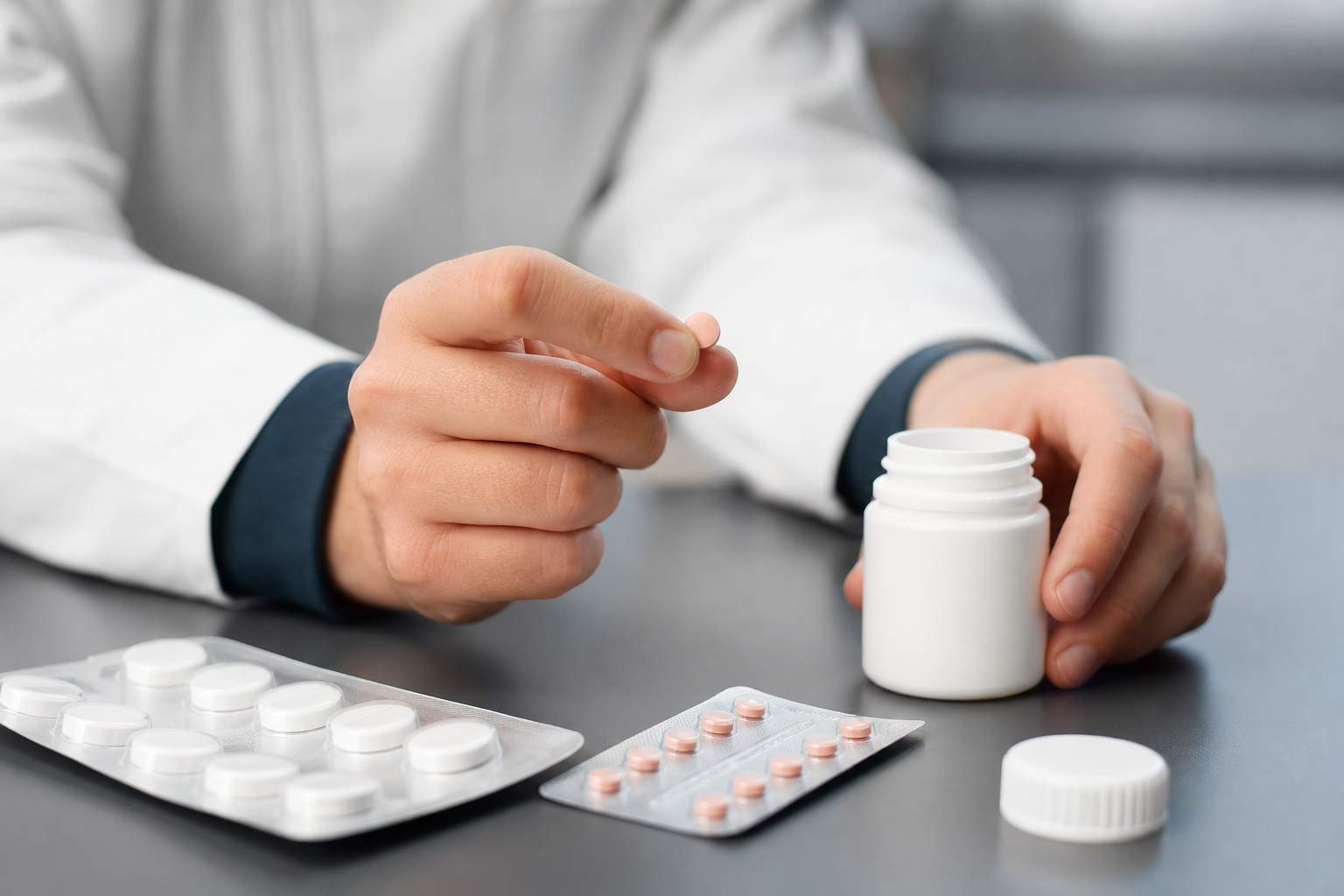
Medication-assisted treatment, often called MAT or Opioid Agonist Therapy (OAT), is widely used for opioid use disorder and is one component of the overall treatment continuum. MAT aims to reduce withdrawal, curb cravings, and lower the risk of overdose while people engage in counselling and other supports. In Ontario, several medications are commonly offered within outpatient clinics; below are neutral descriptions of options that some clinics provide, including the medication choices offered by Road To Recovery.
Methadone
Methadone is a long-established opioid agonist used to stabilise people with opioid dependence. It is administered as an oral liquid in a supervised or prescribed program and is intended to reduce withdrawal and craving, enabling people to participate in therapy and rebuilding activities. Road To Recovery lists methadone among its medication options for opioid addiction treatment.
Suboxone (buprenorphine-naloxone)
Suboxone combines buprenorphine with naloxone and is commonly used as a first-line option for many people because of its safety profile. It can be prescribed through outpatient programs to reduce cravings and withdrawal, and is frequently offered as part of a Suboxone program in Ontario clinics, including those in multi-site networks.
Sublocade (monthly buprenorphine injection)
Sublocade is an extended-release buprenorphine injection given monthly by a clinician. It is an option for people who prefer or require a long-acting formulation to support stability and reduce the need for daily dosing. Clinics that provide monthly injection options will explain eligibility, administration, and follow-up.
Kadian (slow-release morphine)
Kadian is a slow-release morphine formulation sometimes used as an alternative OAT medication. It is another maintenance option that some programmes offer according to individual clinical assessment and local guidelines.
For general, authoritative information on treatment and the range of supports that typically accompany medications, Health Canada’s substance use treatment page summarises how medication and psychosocial supports are combined to address wellbeing and recovery.
Other treatment components: counselling, withdrawal management and residential care
Medications are often paired with non-medication interventions. Typical components include:
- Individual and group counselling, including cognitive behavioural approaches.
- Peer support groups and recovery coaching.
- Withdrawal management or detox services for people who need medically supervised stabilisation before starting maintenance treatment.
- Residential programs when intensive, 24-hour support is required.
- Culturally specific services, including Indigenous-led programs, which can include on-the-land healing and culturally focused counselling; Indigenous-specific program descriptions are available from Indigenous Services Canada.
Canada’s federal guidance emphasises that these components form a flexible continuum, and services are designed to be mixed according to the person’s goals and clinical needs.
How to start substance treatment in Ontario: practical next steps
If you want to begin substance treatment in Ontario, these pragmatic steps help you find the right path quickly:
- Decide who will contact services, whether you call personally or a trusted family member helps with initial arrangements.
- Look for clinics that offer the medication options and supports you want, and check whether they provide psychiatry referral services if mental health care is needed; Road To Recovery notes psychiatry referrals can be arranged locally or virtually through partners like CAMH and OTN.
- Use secure online intake portals when available to streamline triage and reduce delays. Road To Recovery accepts new patient intakes via a secure portal, and their substance treatment programs guide explains available options and locations.
- Ask about same-day intake flows where offered. Some outpatient clinics triage new opioid agonist therapy intakes with a nurse and then a physician on the same day to reduce delays to starting treatment; Road To Recovery describes this nurse then physician intake process as part of their approach.
- If there is an immediate safety concern, use local emergency or urgent services, or check supervised consumption or rapid-access addiction medicine (RAAM) clinics for urgent assessment and referral to ongoing care, as described in federal guidance on supervised consumption sites.
Prepare basic information to make triage faster, such as a brief medical history, current medications, any previous treatment attempts, and contact information for supports. Clinics will walk you through consent and confidentiality during intake.
Confidentiality, consent and common privacy concerns

Concerns about privacy and stigma are common. Many outpatient clinics operate with confidential, judgement-free intake processes and personalised treatment plans, but it is reasonable to ask a clinic how they protect records and when they must disclose information. Typical limits to confidentiality include immediate safety risks, court-ordered disclosure, or situations mandated by law. Road To Recovery states that clinics focus on confidentiality and a judgment-free environment, and federal treatment guidance explains the range of supports and privacy considerations to expect when engaging with services.
How to choose a program: decision criteria and honest objections
When comparing programs, consider these practical criteria:
- Treatment goals: Are you aiming to reduce use, stabilise with medication, or pursue abstinence-based recovery?
- Medication options: Does the clinic offer Methadone, Suboxone, Sublocade, Kadian or other OAT choices?
- Integrated mental health: Can the clinic arrange psychiatry referral or coordinate with local mental health services?
- Access: Does the clinic accept same-day intake and use a secure online portal to reduce delays?
- Cultural fit: Are there culturally appropriate or Indigenous-specific supports if you need them?
- Location and hours: Is the clinic geographically and practically accessible for you?
Common objections people raise include fear of side effects, stigma, and concerns about control or long-term commitment. Useful questions to ask a clinic are about expected supports during the first weeks, how medication is monitored, and what privacy safeguards are in place. Federal and provincial resources can help you weigh those answers against standard practice.
Local supports and trusted resources to consult now
- Canadian government: Substance use treatment, for broad treatment and support information.
- Canadian Drugs and Substances Strategy: Services and supports, for the continuum of care concept.
- Supervised consumption explained, for how low-barrier services connect people to treatment.
- CAMH, for community resource sheets and referrals in Ontario.
- OTN, for virtual psychiatry and telemedicine referral pathways.
- Canadian Centre on Substance Use and Addiction, for evidence and guidance on treatment and recovery.
- Indigenous Services Canada: Substance use programs, for culturally specific and Indigenous-led options.
- substance treatment programs guide from Road To Recovery, for details on services, medication options and local clinic information.
Frequently asked questions
What does substance treatment include?
Substance treatment includes a mix of harm reduction, medication-assisted therapies, counselling, withdrawal management, residential services and recovery supports. The mix varies by individual needs and local service availability; federal guidance explains the typical components and how they are combined.
What is medication-assisted treatment and who is it for?
Medication-assisted treatment, or MAT, combines prescribed medications with psychosocial supports to reduce withdrawal and cravings and lower overdose risk. It is used for people with opioid dependence and is tailored by clinicians based on individual assessment; common options in Ontario include Methadone, Suboxone, Sublocade and Kadian.
How do I get same-day intake for opioid agonist therapy in Ontario?
Some outpatient clinics offer same-day triage where a nurse evaluates a new patient and a physician reviews care the same day. Ask prospective clinics whether they offer a nurse then physician same-day intake and use secure online portals to start the process more quickly. Road To Recovery describes a same-day intake flow and accepts intakes through its secure portal.
Will my treatment records be kept confidential?
Most clinics follow privacy rules and consent processes, but limits to confidentiality can exist for immediate safety risks or legally mandated disclosure. Ask the clinic how they store records and when they may need to share information, and expect staff to discuss consent during intake.
Where can I find culturally appropriate services for Indigenous people?
Indigenous Services Canada outlines Indigenous-specific substance use programs, including culturally informed counselling and on-the-land healing. Many local treatment systems also partner with Indigenous-led organisations to provide culturally safe care.
Next step: where to start now
If you are ready to begin, review the Road To Recovery substance treatment programs guide to see which medication and counselling options match your needs, and use the secure intake portal to start triage. Clinics that offer same-day nurse then physician intake aim to reduce delays to care, but availability is determined at intake.
Ready to begin? Start the secure intake portal at Road To Recovery?
Recent Post
-
 October 23, 2026
Cocaine Outpatient Treatment Outcomes: What Progress Really Looks...
-
 October 20, 2026
Family Resources for Addiction Recovery in Hamilton: Practical...
-
 October 19, 2026
How to Choose an Opioid Agonist Therapy Clinic...
-
 October 18, 2026
Kadian for Opioid Use Disorder: How Treatment Works...
You are Valued
Road to Recovery is an outpatient opioid detoxification center, with locations across Ontario.
- Confidential care
- Same-day support
- Personalized treatment