
Substance treatment programs are structured medical and counseling services that help people stop or reduce harmful substance use and sustain recovery. Programs range from outpatient care to inpatient rehab and medication-assisted treatment. For people across all over ontario, Road To Recovery delivers fast, confidential outpatient options that start the same day for opioid addiction.
By Road To Recovery • Last updated: 2026-05-06
Above-Fold Overview: Hook, Promise, and How to Use This Guide
Use this complete guide to quickly understand substance treatment programs, compare options, and start care without delay. You’ll see how medication-assisted treatment, counseling, and mental health support work together—and how Road To Recovery offers same-day opioid intake across Ontario for confidential, judgment-free help.
This guide is designed for clarity and speed. You’ll find concise definitions, clear steps, and practical checklists alongside deeper explanations so you can act today and stay informed tomorrow.
- What programs are, why they work, and who they help
- How intake, stabilization, and ongoing recovery typically unfold
- Medication-assisted treatment options: Methadone, Suboxone, Sublocade, Kadian
- How therapy, family support, and psychiatry referrals fit in
- Actionable checklists, red flags, and questions to ask any provider
Prefer to jump to specifics? Use the table of contents below.
At a Glance
Substance treatment programs combine medical care, counseling, and recovery supports to reduce harm and improve health. Outpatient options let you live at home while receiving daily, weekly, or monthly care. With Road To Recovery, new opioid patients are triaged by a nurse and seen by a physician the same day they start.
- Primary focus: Outpatient, evidence-based care with rapid access
- Core methods: Medications for opioid use disorder (MOUD), therapy, harm reduction, mental health support
- Fit for: People seeking confidential help with opioids, alcohol, cocaine, gambling, or smoking
- Accessibility: Multiple Ontario locations and secure online intake
Local considerations for all over ontario
- Winter travel and weather can disrupt routines—ask about flexible appointment windows and virtual check-ins to keep care consistent.
- Holiday periods may heighten triggers; plan extra support and prebook visits for continuity during long weekends and school breaks.
- If you move between cities for work or family, confirm cross-location continuity so dosing and counseling remain uninterrupted.
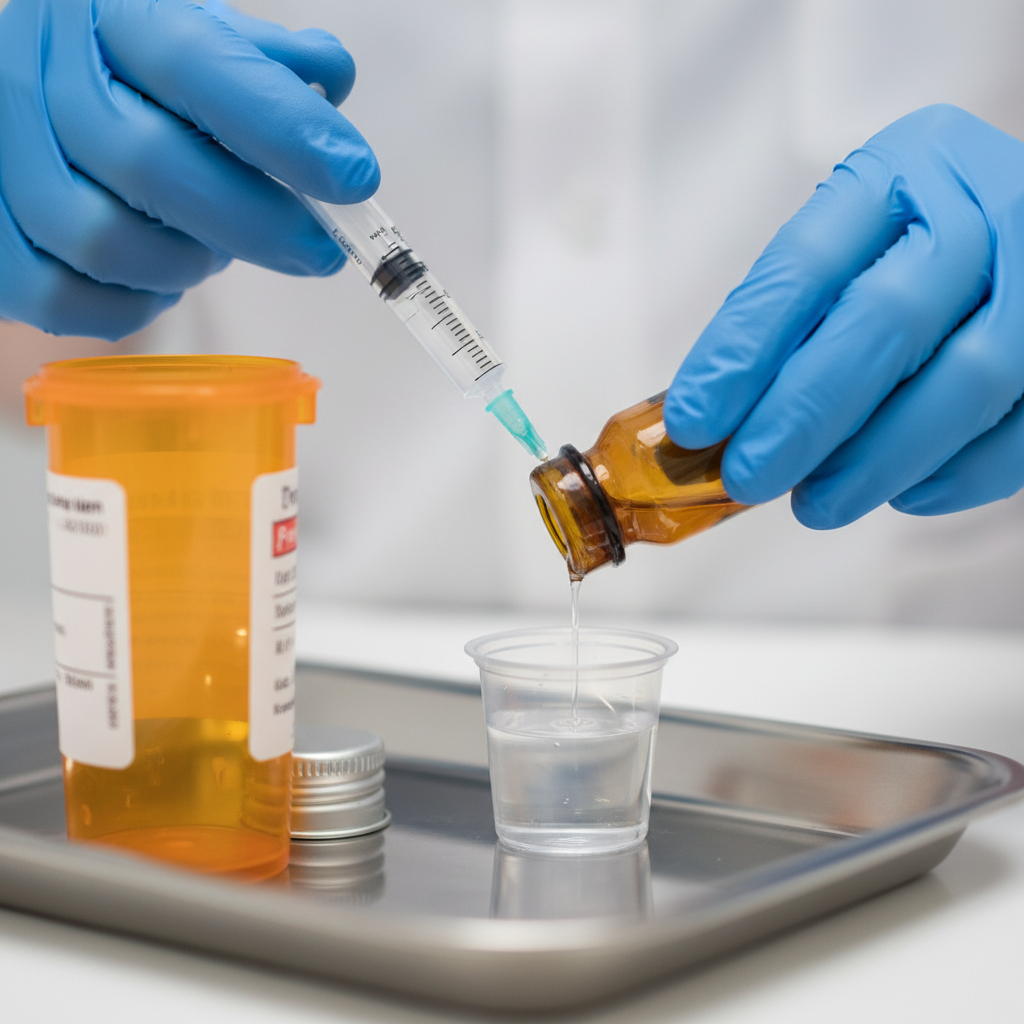
What Are Substance Treatment Programs?
Substance treatment programs are coordinated medical and behavioral services that help people stop or reduce drug or alcohol use and stabilize health. Programs blend medication, counseling, and recovery supports. Outpatient models keep you in your community while providing structured, ongoing care tailored to your goals.
In plain terms, a program is a repeatable care plan that trades chaos for structure. It sets daily or weekly rhythms, tracks progress, and removes guesswork during vulnerable moments.
- Medical care: Office-based medication management, vitals, withdrawal monitoring
- Therapy: Individual, group, and family sessions to build coping skills
- Recovery supports: Peer support, relapse prevention plans, family resources
- Adjunct services: Psychiatry referrals, men’s health, smoking cessation
At Road To Recovery, opioid use disorder patients can begin care the day they start: a nurse triages first, then a physician sees the patient the same day. That speed matters when motivation is highest and symptoms are most intense.
Programs can be tailored for opioids, alcohol, stimulants like cocaine, or behavioral addictions such as gambling. The right fit depends on the substance, medical needs, and your personal recovery goals.
Why Substance Treatment Programs Matter
These programs save lives by stabilizing health, reducing overdose risk, and restoring daily functioning. Structured support improves adherence, and medications for opioid use disorder reduce cravings and withdrawal. Access to mental health and family resources strengthens long-term outcomes.
Without structure, recovery often feels like a moving target. A program organizes care, anticipates high-risk moments, and replaces improvisation with tested steps. When treatment is consistent, people regain sleep, appetite, work stability, and relationships.
- Stabilization: Medications like Methadone, Suboxone, Sublocade, and Kadian reduce withdrawal and cravings.
- Safety: Supervised dosing, overdose prevention, and harm-reduction planning lower risk during early recovery.
- Function: Therapy rebuilds routines, boundaries, and communication skills at home and work.
- Continuity: Psychiatry referrals (local or virtual) align mental health care with addiction care.
For families, programs provide education, reassurance, and clear roles. For patients, they offer privacy, a judgment-free environment, and a path from first visit to sustained recovery.
How Substance Treatment Programs Work
Most programs follow three phases: intake and assessment, stabilization with medication and counseling, and ongoing recovery with relapse prevention. Outpatient models schedule frequent early visits, then taper as stability increases. Documentation and follow-ups keep goals on track.
Typical outpatient flow
- Secure intake: Submit a brief form online; expect rapid nurse triage.
- Same-day assessment: A nurse collects history and vitals, then a physician confirms diagnosis and plan.
- Stabilization: Start MOUD (if appropriate), set dosing, and schedule early follow-ups.
- Therapy linkage: Join individual or group counseling; add family sessions when ready.
- Mental health support: Coordinate psychiatry referrals (local or virtual) for mood, anxiety, or sleep issues.
- Recovery plan: Define relapse prevention steps, triggers, and community supports.
- Step-down care: As stability improves, space appointments further apart.
This is how Road To Recovery runs opioid intakes across Ontario—fast, organized, and confidential. The nurse-then-physician same-day model reduces wait times and meets patients at their moment of readiness.
Types of Substance Treatment Programs and Modalities
Treatment options span outpatient, intensive outpatient, partial hospitalization, and inpatient/residential care. For opioids, medication-assisted treatment (MOUD) is a cornerstone, including Methadone, Suboxone, Sublocade (extended-release buprenorphine), and Kadian (long-acting morphine) within a supervised, therapeutic plan.
Levels of care
- Outpatient (OP): Clinic-based visits while living at home; highly flexible.
- Intensive Outpatient (IOP): Several therapy sessions weekly; strong structure without overnight stay.
- Partial Hospitalization (PHP): Day treatment, medical monitoring, and multi-hour therapy blocks.
- Inpatient/Residential: 24/7 support for complex medical or safety needs.
Core modalities
- Medication-Assisted Treatment (MAT/MOUD): Methadone, buprenorphine (Suboxone/Sublocade), and Kadian support stabilization.
- Cognitive Behavioral Therapy (CBT): Reframes thoughts and behaviors linked to use.
- Motivational Interviewing (MI): Builds internal motivation for change.
- Contingency Management: Reinforces recovery behaviors with positive incentives.
- Family therapy: Aligns boundaries, communication, and support at home.
Medication options at Road To Recovery
- Methadone Program for steady opioid receptor activation and craving control.
- Suboxone Program (buprenorphine/naloxone) with office-based induction and flexible maintenance.
- Sublocade monthly injection (extended-release buprenorphine) to simplify adherence.
- Kadian Program in specific clinical scenarios under close supervision.
Complementary services include alcohol addiction treatment, cocaine treatment, gambling addiction support, smoking cessation, and coordinated psychiatry referrals when mental health symptoms intersect with substance use.
Medication Comparison: Which MOUD Fits Your Situation?
Choosing a medication depends on medical history, goals, and lifestyle. Methadone suits patients who benefit from daily supervised dosing. Suboxone offers office-based flexibility. Sublocade simplifies adherence with a monthly injection. Kadian is considered in select cases under specialist supervision.
| Medication | Format | Typical Setting | Consider When | Notes |
|---|---|---|---|---|
| Methadone | Oral liquid/tablet | Clinic-based dosing | High opioid tolerance; benefits from daily structure | Strong craving suppression; supervised dosing supports routine |
| Suboxone | Buccal/sub-lingual film or tablet | Office-based | Needs flexibility and lower overdose risk profile | Ceiling effect on respiratory depression; convenient at-home dosing |
| Sublocade | Monthly injection | Clinic-administered | Wants once-monthly adherence and stable blood levels | Extended-release buprenorphine supports consistent coverage |
| Kadian | Extended-release capsules | Specialist oversight | Complex cases requiring tailored protocols | Long-acting morphine; careful monitoring is essential |
To explore MOUD benefits further, see our medication-assisted treatment overview and our Suboxone Program details.
Best Practices: What Strong Programs Do Consistently
Effective programs combine rapid access, clear protocols, and coordinated supports. Look for same-day or next-day intake, structured medication management, evidence-based therapy, family engagement, and mental health integration. Documentation, harm reduction, and relapse-prevention planning round out a high-standards model.
- Fast access: Same-day nurse triage and physician assessment for new opioid intakes.
- Evidence-based MOUD: Methadone, Suboxone, Sublocade, or Kadian as clinically indicated.
- Therapy: CBT, MI, and group work with measurable goals.
- Harm reduction: Overdose education and safer use planning during early stabilization.
- Mental health alignment: Coordinated psychiatry referrals (local or virtual).
- Family resources: Practical tools for boundaries and communication.
- Continuity: Multi-location access across Ontario and a secure intake portal.
These are the standards Road To Recovery operationalizes daily—built to be compassionate, confidential, and judgment-free while retaining clinical rigor.
Tools and Resources You Can Use Today
Start with a secure intake, then line up supports that simplify adherence. Use appointment reminders, relapse-prevention checklists, and family communication plans. When considering long-acting options like Sublocade, review how extended-release delivery supports consistent coverage and fewer missed doses.
Practical tools make change stick. Simple reminders, a written trigger plan, and a short list of people to call can prevent a lapse from becoming a relapse.
- Secure online intake: Begin care and request same-day opioid assessment.
- Program checklists: Med list, pharmacy info, contact preferences, and transportation plan.
- Relapse prevention plan: Personal triggers, coping steps, and “call first” contacts.
- Family alignment sheet: Boundaries, what support looks like, and escalation steps.
- Medication format: Learn about long-acting injectable vs oral delivery when discussing monthly options.
If you’re navigating opioids specifically, our clinic comparison overview and “closest clinic” guide explain how to evaluate convenience and continuity.

How to Start: A Step-by-Step Playbook
Act today by submitting a secure intake, preparing essential documents, and confirming your first visit. Ask about same-day assessment for opioids, discuss medication options, and schedule counseling. Arrange pharmacy coordination and set reminders for the first month.
- Submit intake securely: Provide contact info, current medications, and substance history.
- Prepare for your visit: Photo ID, medication list, allergies, prior treatment records if available.
- Ask for same-day support: For opioids, expect nurse triage and physician assessment the day you start.
- Discuss MOUD: Review Methadone, Suboxone, Sublocade, and Kadian choices and what fits your goals.
- Start therapy: Book individual and group sessions; consider family sessions early.
- Coordinate mental health: Request psychiatry referrals (local or virtual).
- Set reminders: Dosing, follow-ups, and support group times in your phone calendar.
Need a primer on options? Read our opioid recovery options overview and the methadone start guide.
Ready to talk? Road To Recovery offers confidential, judgment-free care with reduced wait times. Ask about same-day opioid intake across Ontario and coordinated mental health referrals when you need them.
Case Examples: What Recovery Looks Like in Practice
Real-world recovery is built from small, consistent steps. With a structured plan—medication, therapy, and family support—patients regain sleep, energy, and stability. The details vary, but the pattern is the same: rapid access, steady routines, and proactive mental health alignment.
“I commute across Ontario for work”
A patient who traveled for work needed flexible care. Outpatient MOUD plus cross-location dosing kept routines intact. Group sessions were booked on low-travel days; virtual check-ins bridged gaps. Over months, missed doses declined and sleep normalized—two reliable early markers of stabilization.
“Alcohol crept up during stressful seasons”
Another patient wanted to stop alcohol while balancing childcare. Counseling plus a family alignment sheet reduced conflict at home. As triggers peaked during holidays, prebooked sessions and a written plan helped maintain progress. This is where mentioning our alcohol-focused supports matters.
“I needed mental health support too”
One patient’s anxiety spiked during early opioid stabilization. Coordinated psychiatry referral and therapy paced together. The combination lowered panic episodes and improved adherence to MOUD—illustrating how aligned mental health care protects recovery momentum.
Red Flags and Smart Questions to Ask Any Provider
Choose providers who offer rapid access, multiple MOUD options, counseling integration, and mental health alignment. Avoid programs that overpromise quick fixes, lack documentation, or cannot coordinate care across locations. Clear policies and privacy protections are nonnegotiable.
- Access: Can new opioid patients see a nurse and physician the day they start?
- Options: Are Methadone, Suboxone, Sublocade, and Kadian available or referred appropriately?
- Therapy: Are CBT/MI and group sessions integrated with medication care?
- Mental health: How are psychiatry referrals coordinated when needed?
- Continuity: Can I continue care if I move between Ontario cities?
- Documentation: Will I receive a written recovery plan and visit summaries?
- Privacy: What measures protect confidentiality and information security?
For a program that checks these boxes, explore our recovery and treatment guide.
Science Corner: Formulations, Quality, and Safety
Medication formulations influence adherence and outcomes. Extended-release and long-acting delivery can stabilize blood levels and reduce daily decision points. Manufacturing quality controls and analysis standards help ensure consistent medications that support recovery plans over time.
When you and your clinician discuss options like monthly buprenorphine injections, it’s useful to understand why long-acting formats can simplify routines. Stable exposure can reduce peaks and troughs that sometimes drive cravings or discomfort.
- Compare long-acting vs oral delivery to frame adherence conversations.
- Quality control in manufacturing aims to minimize impurities; see a case lens on residual solvents considerations.
- Understanding related substances analysis helps explain why consistency matters to outcomes.
Bottom line: technology and quality practices behind medications are there to support a simple routine—so your energy goes to recovery, not logistics.
FAQ: Substance Treatment Programs
Get direct answers to common questions about outpatient care, medication choices, counseling, and how Road To Recovery helps people across Ontario begin treatment quickly and confidentially.
How do outpatient substance treatment programs work?
Outpatient programs schedule regular clinic visits while you live at home. Care blends medication management, counseling, and recovery planning. Early visits are frequent; as stability increases, appointments space out. Road To Recovery streamlines opioid intake so new patients see a nurse and then a physician the same day they start.
Which medication is best: Methadone, Suboxone, Sublocade, or Kadian?
The best option depends on your history and goals. Methadone suits patients who benefit from daily structure. Suboxone offers flexible, office-based care. Sublocade simplifies adherence with a monthly injection. Kadian is considered in select scenarios under specialist oversight. Your clinician will tailor the plan.
Can I start treatment quickly in Ontario?
Yes. Road To Recovery emphasizes reduced wait times. For opioid addiction, new intakes are triaged by a nurse and seen by a physician the same day they start. Secure online intake and multiple clinic locations help you begin care without unnecessary delays.
Do programs help with alcohol or cocaine use too?
Yes. Road To Recovery supports alcohol and cocaine addiction with counseling, recovery planning, and coordinated medical care. If mental health symptoms are present, psychiatry referrals can be arranged locally or virtually so treatment stays aligned with your needs.
Is my information kept confidential?
Confidentiality is central to care. Road To Recovery provides a judgment-free environment with privacy safeguards and clear information policies. You’ll receive documented plans and visit summaries so you know how your information is used to coordinate safe, effective treatment.
Key Takeaways and Next Steps
You can start recovery today with a structured plan. Outpatient programs combine medication, therapy, and mental health support. Road To Recovery offers same-day opioid intake and coordinated psychiatry referrals across Ontario so care begins when you’re ready.
- Substance treatment programs replace uncertainty with a structured plan.
- MOUD options (Methadone, Suboxone, Sublocade, Kadian) support stabilization.
- Therapy and family resources build long-term resilience.
- Rapid access is critical in early motivation windows.
- Confidential, judgment-free care encourages honest conversations and real progress.
Explore more: our recovery guide and Ontario methadone overview detail practical steps to get started.
Related Topics and Where to Learn More
If you’re comparing options, dig deeper into medication benefits, clinic logistics, and mental health alignment. Internal resources below expand each area so you can make a confident, informed choice that fits your life.
For an in-depth look at MOUD, see our MAT benefits explainer. If you’re weighing clinic proximity and routines, read the closest clinic guide. Curious about flexible office-based options? Review our Suboxone Program page.
Important: This article is educational and not a substitute for medical advice. Always consult a qualified clinician about your specific situation.





You are Valued
Road to Recovery is an outpatient opioid detoxification center, with locations across Ontario.
- Confidential care
- Same-day support
- Personalized treatment