
You’re not imagining it: when mental health symptoms and substance use show up together, everything gets harder—sleep, work, relationships, and even getting help. This guide explains dual diagnosis mental health addiction treatment in plain language, with a step-by-step look at how integrated care works at Road To Recovery’s outpatient clinics across Ontario. If you or a loved one needs same-day support, coordinated psychiatry referrals, and medication-assisted treatment options under one roof, you’re in the right place.
Quick Answer
Dual diagnosis mental health addiction treatment brings medical care and therapy together so you can stabilize faster and stay well. At Road To Recovery’s Ontario clinics, we combine Opioid Agonist Therapy (Methadone, Suboxone, Sublocade, Kadian) with mental health and psychiatry referrals when needed—so you don’t have to navigate care on your own.
At a Glance
- What you’ll learn: What dual diagnosis means, why integrated treatment works, how medication and counseling fit together, and how to get started quickly.
- Who this helps: People in Ontario managing opioid use or other substance use alongside depression, anxiety, trauma, ADHD, bipolar disorder, or other mental health conditions.
- How we help: Same-day nurse and physician support for new OAT intakes, personalized treatment plans, and psychiatry referrals coordinated locally or virtually (e.g., CAMH or OTN partners).
- Programs we provide: Methadone, Suboxone, Sublocade, Kadian, Alcohol and Cocaine programs, Gambling support, Smoking cessation, Mental Health & Addictions Programs, and Safer Opioid Supply where appropriate.
Start Here: Hook, Orientation, and Table of Contents
Here’s the thing—most people don’t need a lecture; they need a plan. Use this table of contents to jump to what you need right now.
- What Is Dual Diagnosis?
- Why Integrated Care Matters
- How Dual Diagnosis Treatment Works (Step-by-Step)
- Treatment Types and Approaches
- Best Practices You Can Use Today
- Tools and Resources (Ontario-Specific)
- Real-World Scenarios and Examples
- FAQ
- Key Takeaways
- Next Steps
Dual Diagnosis Mental Health Addiction Treatment: What It Means
Dual diagnosis means a person is experiencing a substance use disorder and a mental health condition at the same time. It’s common, complex, and very treatable with a coordinated plan.
- Two conditions, one plan: Substance use can intensify anxiety, depression, trauma symptoms, or mood instability—and mental health symptoms can drive substance use. Treating both together reduces relapse risk.
- Integrated, not siloed: You shouldn’t have to tell your story twice or bounce between disconnected services. Integrated care aligns medications, therapy, harm reduction, and psychiatry where needed.
- Examples of paired conditions:
- Opioid use disorder with major depressive disorder (low mood, loss of interest, sleep changes)
- Alcohol use with anxiety or PTSD (panic, hypervigilance, intrusive memories)
- Stimulant use (e.g., cocaine) with ADHD (restlessness, impulsivity, focus problems)
- Substance use with bipolar disorder (mood cycling impacting judgment and routines)
- Where Road To Recovery fits: Outpatient, judgment-free clinics across Ontario deliver medication-assisted treatment (MAT) for opioid use disorder and coordinate mental health care via referrals when appropriate—so treatment tracks together.
Put simply: this isn’t about choosing addiction treatment or mental health care—it’s both, in the right order, with the right supports.
Why Dual Diagnosis Care Matters Right Now
When both conditions are addressed at once, people stabilize faster and stay stable longer. That’s the goal.
- Reduced relapse risk: Untreated depression, trauma, or anxiety can trigger substance use; untreated withdrawal or cravings can derail therapy. Coordinated care tackles both drivers.
- Faster stabilization: OAT options like Methadone, Suboxone, Sublocade, or Kadian can quiet withdrawal and cravings within days, allowing therapy to be more productive.
- Harm reduction first: Safety comes before perfection. Safer Opioid Supply (SOS) or other harm reduction supports may be appropriate for some patients.
- Real access, not waitlists: New OAT intakes at Road To Recovery are seen by a nurse and then a physician the same day they start—reducing drop-off and risk.
- Family impact: Integrated plans include family resources and Children’s Aid Services support when child protection questions come up.
The reality is, motivation comes in waves. Shortening the time from “I need help” to “I’m getting help” is critical. That’s why streamlined intake and same-day starts matter.
How Dual Diagnosis Treatment Works (Step-by-Step)
Here’s a practical view of the integrated process many Ontario patients follow at Road To Recovery.
- Reach out: Contact a clinic or begin via the secure online intake portal. Share what’s going on—substances used, mental health history, medications, and goals.
- Same-day OAT intake (for opioids): A nurse sees you first, then a physician the same day. Many start Methadone or Suboxone right away; Sublocade (monthly injection) or Kadian may be considered based on history and preference.
- Stabilize safely: Early days focus on safety, withdrawal control, and cravings. You’ll get clear guidance on dosing, pharmacy pickups, and check-ins.
- Mental health screening: Simple, evidence-based screens help surface anxiety, depression, PTSD, bipolar patterns, ADHD symptoms, sleep problems, and suicide risk.
- Personalized plan: Your plan may blend medication, brief counseling, skills training, and psychiatry referrals coordinated locally or virtually (e.g., CAMH or OTN partners) if needed.
- Harm reduction and supports: Naloxone education, SOS where appropriate, smoking cessation aids, and family resources fit around your goals.
- Follow-up cadence: Visits are frequent at first and then spaced out as you stabilize. Many patients stay connected for ongoing recovery guidance.
| Area | Integrated Dual-Diagnosis Care | Siloed Care | Abstinence-Only |
|---|---|---|---|
| Intake speed | Same-day OAT intake; mental health screens early | Multiple waitlists; disjointed timelines | Variable; no MAT for cravings/withdrawal |
| Medical support | OAT (Methadone, Suboxone, Sublocade, Kadian) as needed | Inconsistent medication management | Focus on willpower; limited medical tools |
| Mental health care | Screening + coordinated psychiatry referrals | Referral burden on patient | Often deferred; few linkages |
| Harm reduction | Naloxone, SOS where appropriate, safer-use education | Mixed approaches | Typically minimal |
| Outcomes | Higher engagement; fewer relapses | Drop-offs between services | High relapse risk for many |
Want a deeper dive on OAT? See our plain-language primer on how these medications work in our Opioid Agonist Therapy guide.
Treatment Types and Approaches (What We Actually Use)
Integrated dual-diagnosis care blends medical and behavioral tools. Here’s how we align them at Road To Recovery.
Medication-Assisted Treatment (MAT) for Opioid Use Disorder
- Methadone Program: Daily dosing that steadily controls withdrawal and cravings. Helpful if you’ve had past relapses or need consistent relief. Learn the practical start-up steps in How to Start Methadone Maintenance.
- Suboxone® Program: Buprenorphine-naloxone taken sublingually. Often allows more flexibility once stabilized; reduces overdose risk compared to full agonists.
- Sublocade®: Monthly buprenorphine injection that removes daily dosing decisions. Useful if routines are unpredictable or if daily pickups are hard.
- Kadian® Program: Prescribed carefully for select patients under specialist oversight; assessed on clinical fit and risk profile.
Why this matters: When cravings quiet down, therapy works better—and life logistics (sleep, work, family) begin to normalize. It’s the runway for change.
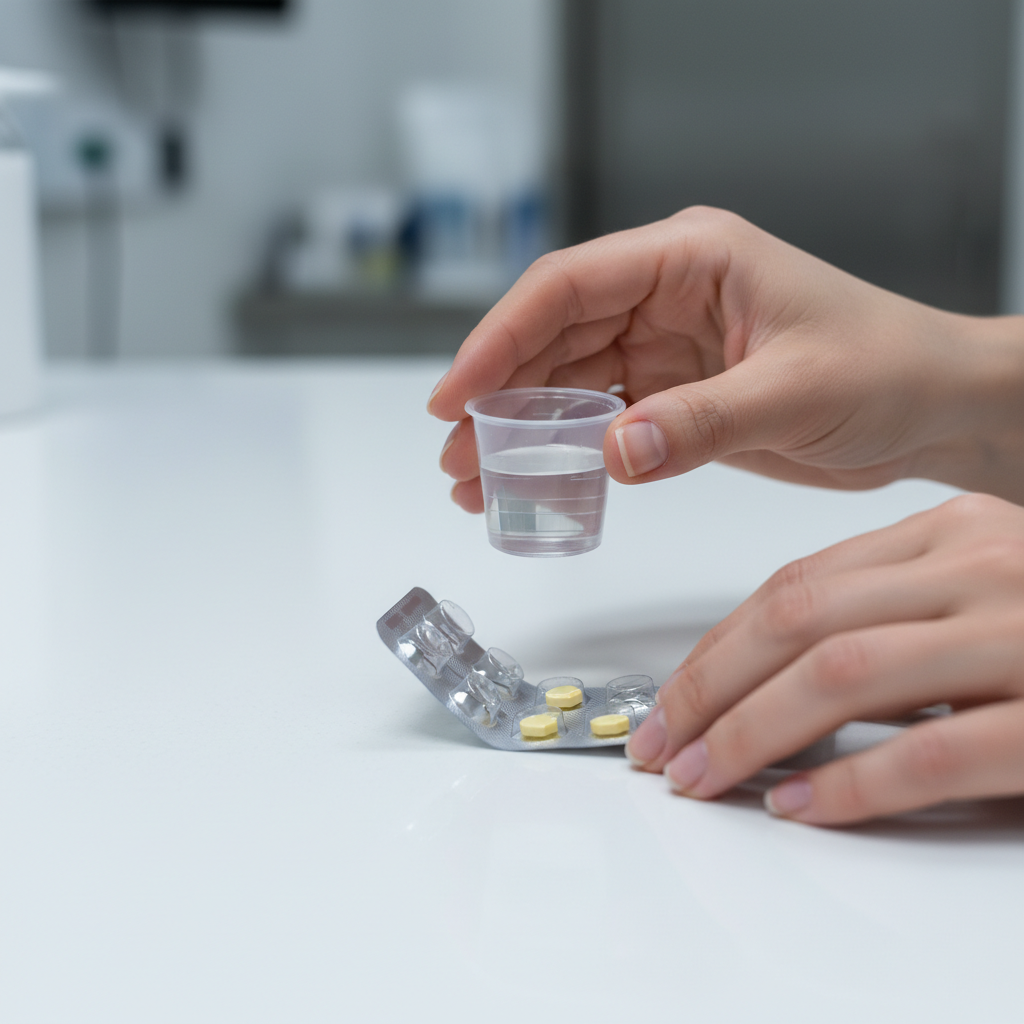
Mental Health & Addictions Programs (Therapy, Skills, Referrals)
- Brief counseling and skills: Grounding, sleep hygiene, craving management, and relapse planning that fit real schedules.
- Psychiatry referrals: Coordinated locally or virtually through partners (e.g., CAMH or OTN) when medication review or diagnostic clarification is needed.
- Trauma-informed care: Pacing matters. We match therapeutic intensity to your stability so care feels doable, not overwhelming.
- Family resources: Practical guidance for loved ones; Children’s Aid Services support if child protection concerns arise.
Other Substance Use Programs that Often Overlap with Mental Health Needs
- Alcohol Addiction Treatment Program: Coordinated care for withdrawal risk, relapse prevention, and mood stabilization. Many patients explore our Alcohol Program overview to see how it integrates with mental health supports.
- Cocaine Addiction Treatment Program: Focus on sleep, mood, and attention regulation; screen for ADHD, anxiety, and trauma patterns that can drive stimulant use.
- Gambling Addiction Treatment Program: Financial stress and mood symptoms often sync with gambling spikes; we coordinate supports that reduce harm and rebuild routines.
- Smoking Cessation Program: Nicotine use impacts sleep, stress, and medication levels. Quitting support is woven in when you’re ready.
Harm Reduction and Safety
- Safer Opioid Supply (SOS): For eligible patients, SOS may reduce exposure to the toxic unregulated supply as part of a broader safety plan.
- Naloxone access and education: You and your family learn overdose recognition and response.
- Medical walk-in (select locations): Continuity of care matters. Some clinics can address adjacent health needs to keep your care linked.
Best Practices You Can Use Today
These are practical habits our patients use to make progress and keep it.
- Stabilize first, then process: If opioid cravings are loud, tackle those first with OAT. Therapy lands better once your body calms down.
- One calendar: Put dosing, pharmacy pickups, and appointments in one place. Pair appointments with routines you already have.
- Track three basics: Sleep window, appetite, and movement. These three metrics often show change before mood does.
- Practice “one-sentence check-ins”: A daily line like “I felt most anxious at 3 pm when I was alone” helps you and your clinician adjust the plan.
- Safety kit: Keep naloxone accessible. Tell one trusted person where it is and how to use it.
- Stack skills to triggers: If evenings are hard, pre-plan: walk at 6 pm, snack at 7 pm, call a peer at 7:30 pm, wind-down at 9 pm.
- Use medications correctly: Ask questions. MAT precision (timing, interactions) has big payoffs.
- Mind the overlaps: Alcohol and cannabis can change how you feel on OAT. Bring it up; we’ll problem-solve, not judge.
- Relapse equals data: If a slip happens, we mine it for patterns and adjust, not shame. That’s how plans improve.
Pro tip: Want a plain-English refresher on how MAT supports recovery? Read our Medication-Assisted Treatment benefits explainer.
Tools and Resources (Ontario-Specific)
Care works best when your supports are connected and local.
- Road To Recovery clinics across Ontario: Toronto (St. James Town and Yonge & Dundas), Barrie (Central and Downtown), Brampton, Brantford, Hamilton, Newmarket, Orillia, and Sault Ste. Marie.
- Psychiatry referrals: Coordinated locally or virtually through established partners (e.g., CAMH or OTN) based on your clinical needs.
- RAAM-style pathways: Rapid access models complement outpatient OAT by speeding up stabilization and linking to community supports.
- Family supports: Practical guidance for loved ones; Children’s Aid Services navigation if child protection concerns are in play.
- Secure online intake: Start your intake digitally to shorten the time between asking for help and starting treatment.

Thinking about first steps? Our Opioid Use Disorder recovery options article shows common pathways patients take in their first 30 days.
Real-World Scenarios and Examples
These short scenarios mirror what we see across our Ontario clinics. Names and details are generalized.
- Opioids + Depression (Toronto – Yonge & Dundas): A patient arrives exhausted, missing shifts, and isolating. Same-day Suboxone start reduces withdrawal by day two. A brief counseling plan plus a psychiatry referral for antidepressant review follows. After four weeks, energy and routines improve; therapy deepens.
- Stimulants + ADHD (Hamilton): A young adult uses cocaine on weekends, struggling with focus during the week. Screening suggests ADHD features. Sleep and structure skills begin; a psychiatry referral clarifies diagnosis. As attention stabilizes, weekend use drops; therapy targets triggers.
- Alcohol + Anxiety (Barrie – Downtown): A parent drinks to blunt panic symptoms. We address sleep, initiate anxiety-focused skills, and coordinate a mental health consult. With structured supports and family education, evening drinking urges shrink.
- Opioids + Trauma (Brampton): Nightmares and hypervigilance drive late-night use. OAT plus paced trauma-informed therapy, naloxone education for family, and safer-use planning reduce risk while recovery skills build.
- Gambling + Mood Swings (Newmarket): Financial stress worsens mood; mood dips trigger gambling. A practical plan aligns accountability, coping skills, and supports for debt conversations. Mood steadies; gambling episodes decline.
Local Tips
- Tip 1: If you’re visiting a Toronto clinic near Yonge & Dundas, arrive a few minutes early to navigate downtown parking or public transit transfers. A calm arrival helps your first visit go smoother.
- Tip 2: Winter weather can slow travel across Barrie, Newmarket, and Orillia. Build buffer time into pharmacy pickups and clinic check-ins to keep dosing on track.
- Tip 3: If you work shifts in Hamilton or Brampton, ask about appointment times that line up with your schedule. Consistency beats perfection—especially in early stabilization.
IMPORTANT: These tips pair local logistics with outpatient care routines so your plan fits real life.
FAQ
How do I know if I need dual diagnosis treatment?
Consider integrated care if you’re managing substance use and mental health symptoms at the same time—like using opioids while feeling persistently depressed, or drinking to blunt panic. If cravings or withdrawal make therapy impossible—or if mood swings trigger use—treating both together helps you stabilize faster and reduce relapse risk.
Can I start medication the same day I reach out?
For opioid use disorder, yes—new OAT intakes at Road To Recovery are seen by a nurse and then a physician the same day they start. That rapid start reduces risk and helps you feel better sooner, often unlocking the energy needed for therapy and skills work.
What if I’m not ready for therapy yet?
That’s common. We usually focus first on medical stabilization with Methadone, Suboxone, Sublocade, or Kadian when appropriate. As withdrawal and cravings settle, we build in brief counseling, coping skills, and psychiatry referrals if indicated. The pace follows your stability.
Do you coordinate mental health and psychiatry support?
Yes. We screen for anxiety, depression, trauma, bipolar patterns, ADHD, and sleep problems, and we coordinate psychiatry referrals locally or virtually (e.g., through partners such as CAMH or OTN) when a medication review or diagnostic clarity would help your plan.
What if I use more than one substance?
Plans are designed for real life. Many people manage opioids with alcohol, stimulants, cannabis, or nicotine. We stage care (safety first), use harm reduction tools, and adjust medications or counseling based on what’s driving risk at that moment.
Key Takeaways
- Dual diagnosis mental health addiction treatment works best when medical and mental health care move together.
- Same-day OAT intake shortens the gap between asking for help and feeling better.
- Psychiatry referrals add clarity for mood, attention, and sleep medications when needed.
- Harm reduction keeps you safer while skills and routines rebuild.
- Personalized plans beat one-size-fits-all—your goals drive the timeline.
Mid-article CTA: If you’re ready for a same-day OAT intake or want to talk through options, reach out to the Road To Recovery clinic closest to you. We’ll meet you where you are—confidentially and without judgment.
Next Steps
- Decide your first move: If opioids are part of the picture, consider starting Methadone or Suboxone to calm withdrawal and cravings.
- Book your visit: Pick the nearest Ontario clinic and plan your route. Bring a list of current medications and any past treatments.
- Set one tiny habit: Choose a 5-minute routine (walk, journal line, breathing drill) you can keep daily for the next two weeks.
- Loop in a supporter: Tell one trusted person you’re starting care and where naloxone is stored if opioids are involved.
- Keep it flexible: Recovery isn’t linear. If something isn’t working, we’ll adjust the plan—together.





You are Valued
Road to Recovery is an outpatient opioid detoxification center, with locations across Ontario.
- Confidential care
- Same-day support
- Personalized treatment