
If you are looking for judgment-free mental health support you can access quickly and privately, you are not alone. Road To Recovery provides compassionate, evidence-based care across Ontario with reduced wait times and same-day nurse and physician support for new opioid addiction treatment intakes. In this complete guide, we explain what judgment-free mental health support means in practice, why it matters for recovery, and how Road To Recovery helps you take the next step with confidential, coordinated care.
Quick Answer
Road To Recovery offers judgment-free mental health support through outpatient clinics across Ontario, pairing medication-assisted treatment with counseling and psychiatry referrals. Same-day intake for new OAT patients, a secure online portal, and coordinated CAMH/OTN referrals help you start recovery without delay.
Summary
- What judgment-free means: Compassionate, confidential care that treats you with dignity while focusing on practical next steps.
- Why it matters: Reduces shame, improves follow-through, and supports long-term recovery.
- How it works here: Same-day intake for new OAT patients, multiple medication options (Methadone, Suboxone, Sublocade, Kadian), counseling, and psychiatry referral pathways (CAMH and OTN).
- Tools you can use now: Secure online intake portal, individual and family resources, and coordinated local or virtual psychiatry support.
- Action you can take today: Choose a location that is easiest for you, bring one goal to your first visit, and ask about mental health and addictions programs that fit your needs.

At a Glance
- What Is Judgment-Free Mental Health Support?
- Why Judgment-Free Support Matters
- How Judgment-Free Care Works at Road To Recovery
- Approaches and Modalities
- Best Practices You Can Use Now
- Tools and Resources
- Mini Case Studies (Realistic Examples)
- Choosing a Path: Simple Comparison
- FAQ
- Conclusion + Key Takeaways
- Related Articles
Local Tips
- Tip 1: Pick the clinic closest to your daily route. For example, if you travel near Yonge & Dundas or St. James Town, choose those Toronto sites to reduce travel stress and keep appointments consistent.
- Tip 2: Winter weather in Ontario can affect transit times. Book earlier slots when roads are slick, and ask staff about virtual psychiatry options arranged through OTN if travel is difficult.
- Tip 3: If mornings are busy for you, ask about afternoon availability at locations like Barrie Downtown or Hamilton to help maintain your routine without rushing.
IMPORTANT: Consistency matters more than distance. The easier it is to get there or log in virtually, the easier it is to stick with care.
What Is Judgment-Free Mental Health Support?
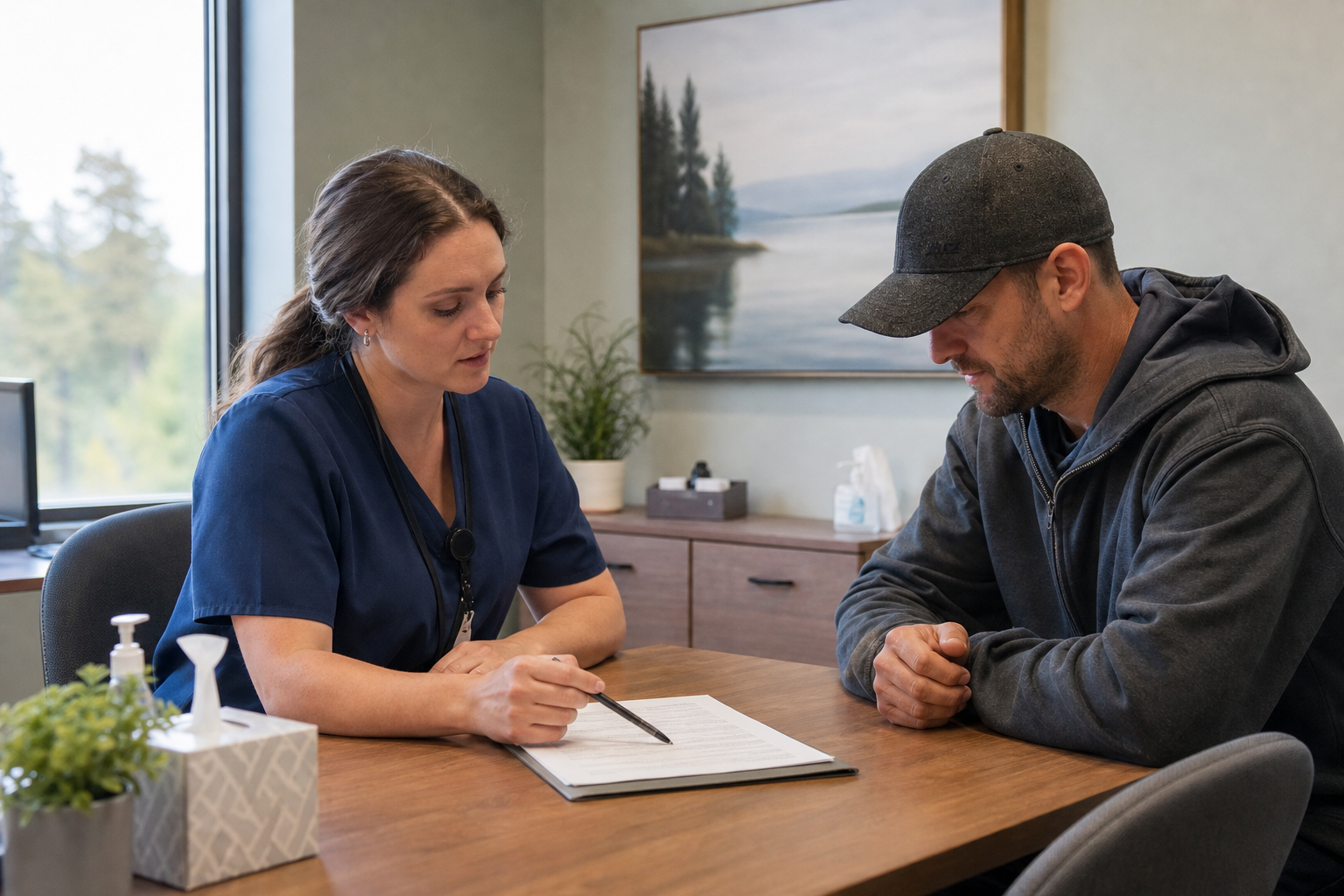
Judgment-free mental health support means you are seen as a whole person, not defined by a diagnosis, relapse, or a tough day. The focus is practical care, dignity, and next steps—without blame or stigma.
Core principles you can expect
- Respect and dignity: Every conversation starts from empathy and privacy.
- Confidentiality: Your information stays protected; discussions happen in secure, professional settings.
- Evidence-based care: Options like Methadone, Suboxone, Sublocade, and Kadian are used to stabilize withdrawal and cravings so you can focus on mental wellness.
- Whole-person view: Support can include addiction medicine, mental health counseling, psychiatry referrals, and family resources.
- Collaborative planning: You help set goals; the team matches services to your needs.
How it shows up during visits
- Plain-language explanations: Providers explain options without jargon so you can decide confidently.
- Choice and flexibility: If Suboxone is a better fit than Methadone (or vice versa), you can discuss transitions safely.
- Trauma-informed approach: Care plans account for past experiences so visits feel safer and more predictable.
- Coordinated pathways: If you need psychiatry, referrals are arranged locally or virtually through partners like CAMH and OTN.
Here is the thing: judgment-free support is not a slogan. It is a repeatable process that helps you feel safe showing up tomorrow, not just today.
Why Judgment-Free Support Matters
When care is delivered without stigma, people engage sooner and stay longer—two critical predictors of real progress in addiction and mental health recovery.
What changes for you
- Less shame, more honesty: You can talk openly about triggers, lapses, and mental health symptoms without fear of blame.
- Faster stabilization: With options like Sublocade (a monthly injectable buprenorphine) or Methadone, you can reduce withdrawal and cravings so therapy works better.
- Better follow-through: Reduced wait times and same-day intake make it easier to build momentum and keep it.
- Stronger support network: Family resources and coordinated psychiatry help align the people and tools around you.
Common barriers judgment-free care removes
- Stigma at the door: You do not have to “prove” you deserve help. You already do.
- Confusing pathways: You get a single point of entry with clear next steps, then coordinated referrals if needed.
- Scheduling friction: Multiple clinic locations help you pick routine-friendly times and routes.
Bottom line: judgment-free mental health support lowers the activation energy it takes to start and keep going. That is why our clinics make intake simple and same-day whenever possible for new OAT patients.
How Judgment-Free Care Works at Road To Recovery
Our outpatient model is designed for access, privacy, and continuity. Here is how a typical start looks when opioid addiction and mental health support overlap.
Getting started (step-by-step)
- Secure intake: Begin through our online portal. Share your goals and history in private, at your pace.
- Nurse triage (same day for new OAT patients): A nurse reviews symptoms, goals, medications, and safety needs.
- Physician assessment: The doctor discusses OAT options—Methadone, Suboxone, Sublocade, or Kadian—based on your health and preferences.
- Care plan setup: We pair stabilization medication with counseling and, when helpful, psychiatry referrals through CAMH or OTN.
- Follow-up and adjustments: We adapt dosing, therapy cadence, and referrals as life changes.
What makes this pathway judgment-free
- Choice: You are involved in selecting medication and therapy approaches.
- Transparency: Each option is explained, including benefits, limitations, and safety.
- Continuity: If you switch locations (Toronto to Barrie, for example), your plan follows you.
- Privacy: Conversations stay confidential; rooms and processes are designed with discretion in mind.
- Ready to stabilize withdrawal and work on mental health goals?
- Start with our secure intake portal and ask about same-day nurse and physician support for new OAT intakes.
- Bring one priority (sleep, anxiety, cravings, parenting stress) to your first visit—one clear goal accelerates progress.

Approaches and Modalities
Judgment-free care is not one-size-fits-all. You will see a range of options that can be combined to match your goals and life rhythm.
Medication-Assisted Treatment (OAT)
- Methadone Program: Daily dosing early on can steady withdrawal and reduce cravings, creating space for counseling and routines.
- Suboxone Program: Buprenorphine-naloxone helps curb cravings and can be easier to adjust as your schedule changes.
- Sublocade: A monthly injectable buprenorphine option that supports stability with fewer daily decisions.
- Kadian Program: Long-acting oral morphine formulation considered in specific clinical contexts by your physician.
- Safer Opioid Supply (SOS) and Dilaudid Safe Supply: Structured programs that aim to reduce harm under medical guidance when criteria are met.
Counseling and Skills-Based Support
- Individual counseling: Focus on triggers, moods, sleep, and practical coping strategies.
- Group support: Practice skills with peers, reduce isolation, and build routine.
- Family resources: Align expectations and boundaries; improve communication at home.
Psychiatry Referral Pathways (Local or Virtual)
- Coordinated referrals: If medication for mood, anxiety, or trauma is appropriate, we coordinate psychiatry locally or virtually via partners such as CAMH and OTN.
- Continuity of care: Psychiatric input informs therapy goals and OAT adjustments, reducing trial-and-error.
Mental Health & Addictions Programs Beyond Opioids
- Alcohol: Stabilization and relapse-prevention strategies that integrate counseling and medical support. See our alcohol program overview for what to expect.
- Cocaine: Behavioral strategies and mental health supports to address cravings, mood, and sleep regulation.
- Gambling: Skills for urges and financial boundaries, plus mental health support for stress and shame.
- Smoking cessation: Nicotine replacement plans and habit-change techniques to protect recovery gains.
Best Practices You Can Use Now
Small, consistent moves beat big, unsustainable changes. Try these today.
For your first month
- Bring one priority: Choose one focus (sleep, anxiety, or cravings). Share it in your first visit.
- Stack routines: Tie doses or sessions to daily anchors (after breakfast, before work).
- Protect sleep: Commit to a wind-down routine; ask about techniques to quiet racing thoughts.
- Track by feeling: Rate anxiety and cravings 0–10 daily; bring notes to check-ins.
For ongoing momentum
- Use your location advantage: Pick the clinic you pass most days so showing up is automatic.
- Plan for tough days: Save a short list of coping steps (call, walk, breathing, urge-surfing) in your phone.
- Ask about psychiatry: If mood or sleep is stuck, request a referral to fine-tune your plan.
- Reset without shame: Lapses are signals, not verdicts. Bring what you learned; we adjust together.
For family and supporters
- Pick one role: Driver, meal-prep, or kid-pickup. One clear role beats ten vague promises.
- Use neutral language: Swap “Why did you…?” for “What do you need right now?”
- Celebrate process: Notice attendance, sleep gains, and honest conversations—not only clean screens.
Tools and Resources
- Secure online intake portal: Start privately, set your goals, and request same-day nurse and physician support for new OAT intakes.
- Medication insights: If you are weighing options, our overview of medication-assisted treatment benefits can help you prepare questions.
- Mental health & addictions programs: Ask about counseling availability, group options, smoking cessation support, and referrals for specialized needs.
- Family and individual resources: Get practical checklists, boundaries scripts, and relapse-response plans so everyone knows what to do on tough days.
- Children’s Aid Services support: If child protection needs are part of your situation, our team can help you navigate requirements alongside treatment.
Mini Case Studies (Realistic Examples)
Names and details are changed, but the clinical situations are real-world.
1) Toronto (St. James Town): Stabilizing mornings to rejoin work
- Challenge: Early-morning withdrawal and anxiety made it hard to keep a shift job.
- Approach: Methadone to stabilize mornings, plus short counseling sessions focused on routine and sleep.
- Result: Within weeks, reliable attendance and calmer mornings supported a return to full shifts.
2) Toronto (Yonge & Dundas): Reducing lapses with fewer daily decisions
- Challenge: Daily choices around dosing were stressful and led to lapses.
- Approach: Sublocade to reduce daily decision load, paired with anxiety management skills.
- Result: Fewer lapses, more therapy engagement, and better sleep consistency.
3) Barrie Downtown: Addressing alcohol relapse and mood together
- Challenge: Stress-triggered drinking increased depression and insomnia.
- Approach: Alcohol treatment plan with relapse-prevention counseling and psychiatry referral for mood stabilization.
- Result: Improved sleep, fewer cravings, and renewed energy to rebuild routines.
4) Hamilton: Balancing family stress and cravings
- Challenge: Parenting stress and commute time derailed appointments.
- Approach: Switched to a closer clinic schedule, added brief family sessions, and created a two-step coping script for evenings.
- Result: Better attendance and fewer high-risk evenings at home.
5) Brampton: Co-occurring anxiety with cocaine relapse
- Challenge: Anxiety peaks drove late-night use.
- Approach: Skills-focused counseling (urge surfing, paced breathing) and psychiatry referral through OTN.
- Result: Shorter urges, improved sleep onset, and fewer high-risk nights.
Choosing a Path: Simple Comparison
| Approach | Best When You Need | How It Helps | What to Ask |
|---|---|---|---|
| Methadone Program | Strong, steady withdrawal control | Reduces cravings so therapy and routines can take hold | How will we adjust dosing if mornings are hardest? |
| Suboxone Program | Flexibility and easier transitions | Allows responsive adjustments as life changes | What signs suggest a move to monthly options later? |
| Sublocade | Fewer daily decisions and stable coverage | Monthly injectable buprenorphine supports momentum | What routines should I keep between injections? |
| Kadian Program | Clinically indicated long-acting formulation | Physician-guided option in specific contexts | Is this the right fit given my health profile? |
| Counseling + Groups | Skills for urges, mood, and sleep | Builds coping capacity and connection | Which skills target my highest-risk hours? |
| Psychiatry Referral | Mood, anxiety, trauma medication input | Aligns mental health meds with OAT | How will updates flow between providers? |
FAQ
-
How do I start with judgment-free mental health support?
Use our secure intake portal to share your goals and history. New OAT patients are typically seen by a nurse and then a physician on the same day they start. Your plan can include medication-assisted treatment, counseling, and psychiatry referrals.
-
Can I get help for mental health if I am not on opioids?
Yes. In addition to OAT, we support alcohol and cocaine treatment, gambling concerns, smoking cessation, and broader mental health and addictions programs. Ask about counseling availability and referral options that match your needs.
-
What if I miss an appointment or have a lapse?
We approach lapses without judgment. Bring what happened to your next visit. We will adapt your plan—dose timing, skills coaching, or psychiatry input—to reduce future risk and support momentum.
-
Do you coordinate psychiatry if my mood or anxiety is severe?
Yes. We arrange psychiatry locally or virtually through partners such as CAMH and OTN. Psychiatric input can stabilize mood, anxiety, or sleep so therapy and OAT work better together.
-
Can my family be involved?
With your consent, yes. We offer family resources and can provide guidance on boundaries, relapse-response plans, and Children’s Aid Services coordination if needed.
Conclusion + Key Takeaways
Judgment-free mental health support is a practical, repeatable way to stabilize today and build for tomorrow. With Road To Recovery’s Ontario clinics, you get same-day intake for new OAT patients, multiple evidence-based medication options, coordinated psychiatry referrals, and counseling that fits your goals and schedule. You are not starting over—you are starting smarter, with a team that treats you with dignity and focuses on your next right step.
Key Takeaways
- Start safely, quickly: Secure intake plus same-day nurse and physician support for new OAT intakes.
- Build a blended plan: Medication-assisted treatment, counseling, and psychiatry work better together.
- Make consistency easy: Choose the clinic and schedule that fit your life to reduce friction.
- Reset without shame: Lapses inform the next step; they do not define you.
- Use the secure intake portal today and tell us your top priority (sleep, anxiety, cravings, parenting).
- Ask about same-day nurse and physician support for new opioid addiction treatment intakes.
- Request psychiatry referral options (local or virtual) if mood, anxiety, or sleep need extra support.
Related Articles
- Medication-assisted treatment explained for everyday routines
- How to combine counseling skills with OAT for better sleep
- Practical boundaries and scripts for families supporting recovery
Recent Post




You are Valued
Road to Recovery is an outpatient opioid detoxification center, with locations across Ontario.
- Confidential care
- Same-day support
- Personalized treatment