
Once-monthly Sublocade is an extended-release buprenorphine injection given every 26–30 days to treat opioid use disorder. It maintains steady medication levels without daily dosing, helping reduce cravings and withdrawal. In all over ontario, Road To Recovery offers this option with same-day OAT intake and coordinated supports so you can start safely and stay on track.
By BRIAN TAYLOR · Last updated: 2026-07-02
Summary
Once-monthly Sublocade is a long-acting buprenorphine injection for opioid use disorder, administered about every four weeks. It removes the need for daily dosing, supports stability, and fits busy routines. Road To Recovery provides assessment, induction, injections, and wraparound care across communities all over Ontario.
This complete guide explains what once-monthly Sublocade is, who it helps, how injections work, and how to get started with Road To Recovery’s streamlined, judgment-free care. You’ll also find practical checklists, safety tips, a side-by-side comparison with methadone and daily Suboxone, and answers to common questions.
- Clear definitions and eligibility basics
- Step-by-step intake and induction flow used at Road To Recovery
- Practical planning tips for appointments, travel, and work
- Comparison table: Sublocade vs. Suboxone vs. Methadone vs. Kadian
- FAQs with straightforward, speakable answers
What is once‑monthly Sublocade?
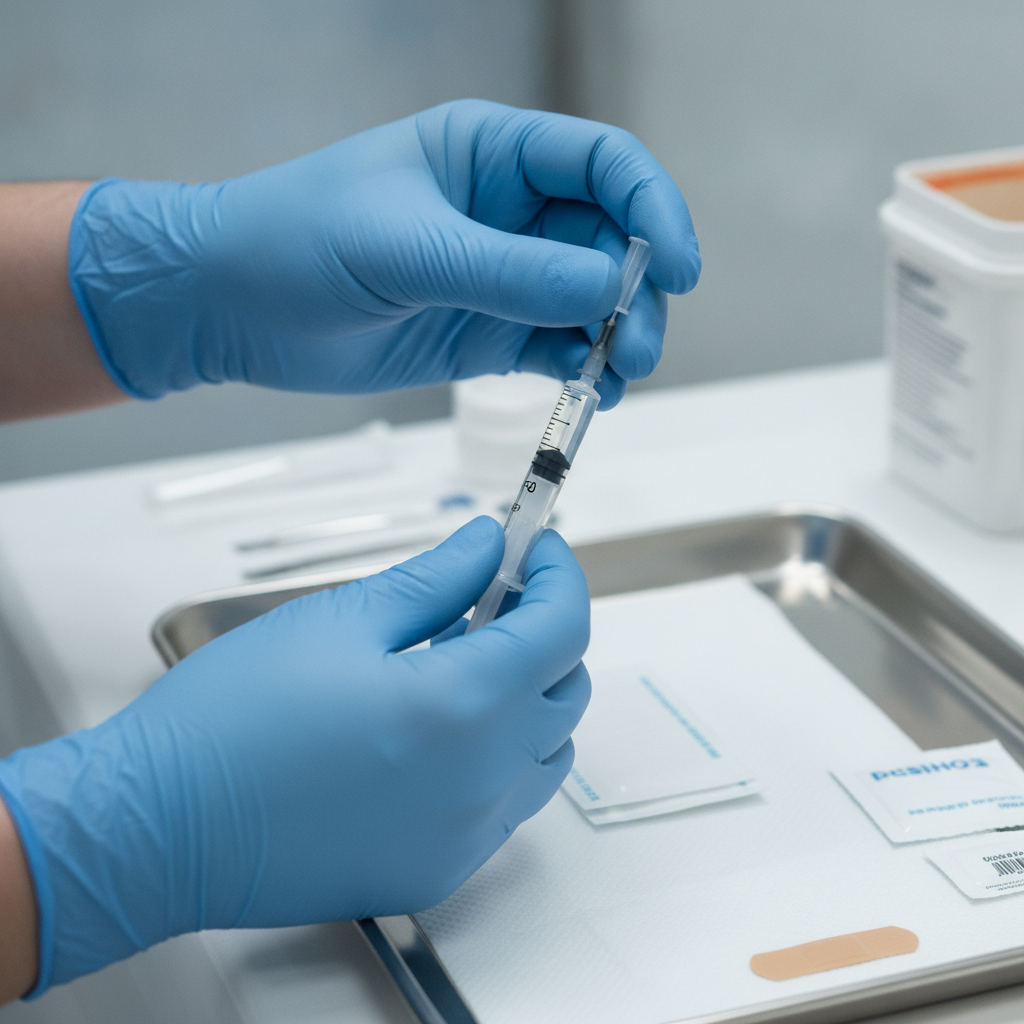
Once‑monthly Sublocade is an extended‑release buprenorphine injection given subcutaneously in the abdomen every 26–30 days. It forms a depot under the skin that steadily releases medication for a full month, helping control cravings and withdrawal while removing daily pill or film routines.
In plain language, Sublocade is buprenorphine in a long-acting, monthly format. After a short stabilization on sublingual buprenorphine/naloxone (daily Suboxone), a clinician administers a prefilled syringe into the fatty layer of the abdomen. The medication polymerizes into a small depot that slowly releases medication over a month.
People choose once-monthly Sublocade for many reasons: consistent coverage between visits, fewer chances to miss daily doses, reduced diversion risk, and a simple monthly rhythm that aligns with work, school, and family life. Many patients also appreciate that it’s discreet and clinic-administered.
To explore foundations and terminology first, see our plain-English overview in Sublocade: what it is, and for clinic logistics review our Sublocade injection guide which covers visit flow and comfort strategies.
Why once‑monthly care matters
Monthly buprenorphine reduces daily decision load, supports consistent blood levels, and lowers diversion risk. For many, that stability translates into fewer lapses, improved sleep, and better day-to-day functioning—key gains when rebuilding health, work, and relationships during recovery.
Recovery thrives on routine. A single visit every 26–30 days streamlines life logistics compared with daily or several-times-weekly pickups. Many patients report steadier moods across the month when serum levels are kept within a therapeutic range rather than spiking and troughing.
- Consistency: One injection per month means fewer opportunities to miss a dose.
- Privacy: No bottles or films at home; administration happens in-clinic.
- Function: Many patients describe better sleep and fewer cravings after stabilization.
- Structure: Scheduled monthly appointments help anchor other healthy routines.
At Road To Recovery, we’ve found that monthly structure pairs well with counseling and mental health referrals. When needed, our teams coordinate psychiatry support locally or virtually so medication and therapy move in step.
How once‑monthly Sublocade works
Sublocade is injected subcutaneously into abdominal fat, where it forms a depot that releases buprenorphine continuously for about a month. After a short period on daily buprenorphine/naloxone to confirm tolerance, maintenance injections continue every 26–30 days.
The science is straightforward: a long-acting matrix holds medication and lets it diffuse slowly. Therapeutically, this keeps buprenorphine at a level that occupies opioid receptors month-long, reducing withdrawal and cravings. Many people notice stabilization within the first two maintenance injections as levels plateau.
- Induction: You begin on sublingual buprenorphine/naloxone (typically several days) to confirm tolerance.
- First injections: Two monthly 300 mg injections are common for stabilization, followed by 100 mg or 300 mg monthly as maintenance, based on clinical response.
- Administration site: The shot goes into the abdominal fatty layer; no intramuscular or IV use.
- Interval: Appointments are usually set at least 26 days apart to maintain steady coverage.
If you want a stepwise picture of clinic days, our Sublocade injection guide walks through check-in, consent, administration, and post-visit expectations.
Who benefits and basic eligibility
Sublocade suits adults with opioid use disorder who tolerate buprenorphine and prefer a monthly clinic-administered option. It’s helpful for people with busy schedules, privacy needs, or challenges adhering to daily meds. A clinician confirms fit, reviews safety, and sets a personalized plan.
In our experience across clinics all over ontario, patients who do well with once-monthly Sublocade often share a few traits: they’ve tolerated sublingual buprenorphine, value fewer pharmacy visits, and want a predictable cadence for work and family responsibilities.
- Helpful for: People seeking stability without daily films or tablets; those at risk of missing doses; anyone preferring lower diversion risk at home.
- Consider if: You’re already on Suboxone and wondering about a depot alternative; you’ve tried daily dosing and want steadier coverage.
- Team-based care: Our clinicians combine monthly injections with counseling, relapse prevention, and, when helpful, psychiatry referrals coordinated through local partners.
For background on prescription logistics, see our quick primer on Sublocade prescription steps in Ontario.
Intake and induction at Road To Recovery
Road To Recovery streamlines Sublocade starts: same-day OAT intake with a nurse and physician, brief stabilization on sublingual buprenorphine, and your first injection scheduled promptly. The team builds a personalized plan, aligns counseling, and coordinates psychiatry referrals as needed.
Here’s how our intake typically unfolds in practice, from first contact to maintenance rhythm. The goal is speed with safety—no long waits, clear steps, and consistent support so you can begin confidently.
- Secure online intake: You submit details through our encrypted portal. A nurse triages your information the same day.
- Same-day clinical visit: A nurse completes assessment; a physician reviews history, confirms diagnosis, and designs your OAT plan.
- Short Suboxone stabilization: You start sublingual buprenorphine/naloxone to confirm tolerance and target symptoms.
- First two monthly injections: Many plans begin with two 300 mg doses about four weeks apart.
- Maintenance cadence: Ongoing injections at 100 mg or 300 mg monthly, adjusted based on cravings, withdrawal, and goals.
- Wraparound supports: Counseling, relapse prevention planning, and—when requested—psychiatry referrals (local or virtual) coordinated by our team.
Questions about timing, locations, or options? Our overview on Sublocade clinics in Ontario outlines how we schedule and keep wait times low.

Safety, side effects, and precautions
Most people tolerate once‑monthly Sublocade well. Common effects include injection‑site tenderness, constipation, headache, or nausea. Your clinician screens for interactions, monitors symptoms, and advises on post‑injection care. Never attempt to remove the depot; it dissolves gradually on its own.
Good safety comes from planning and communication. You’ll review your health history, current medications, and any prior reactions to buprenorphine. We check for drug interactions, ensure you understand aftercare, and schedule follow‑ups that track symptoms and goals.
- Injection‑site care: Mild redness or lumping can occur; it typically settles as the depot integrates.
- Typical symptoms: Constipation, headache, or nausea are the most reported; we’ll offer practical remedies and monitoring.
- Important cautions: Do not massage or attempt to remove the depot; seek support if you develop severe pain, allergic reactions, or breathing concerns.
For an accessible primer on how long‑acting depots are characterized and designed, see this technical overview from Resolve Mass. For formulation science behind depot systems, their PLGA explainer at PLGA long‑acting injectables provides helpful context, and a sustained‑release case study is outlined here: leuprolide depot case study.
Sublocade vs. Suboxone vs. Methadone (and Kadian)
Monthly Sublocade simplifies dosing and reduces diversion risk; daily Suboxone offers flexible self‑management; methadone provides full‑agonist coverage with supervised dosing; Kadian (oral extended‑release morphine) is a specialized OAT option. The best fit depends on history, physiology, goals, and access.
Each medication can be life‑changing when matched to the right person at the right time. Choice depends on prior treatment responses, medical conditions, travel and work schedules, and readiness for clinic‑administered versus self‑administered dosing.
| Medication | Dosing Frequency | Supervision | Best For | Key Benefits | Considerations |
|---|---|---|---|---|---|
| Sublocade (monthly buprenorphine) | Every 26–30 days | Clinic-administered | Those preferring no daily meds | Stable levels; low diversion risk | Injection visits; site tenderness |
| Suboxone (daily buprenorphine/naloxone) | Daily (films/tablets) | Home dosing (with follow-ups) | Flexible, stepwise titration | Self-managed; adjustable dosing | Adherence; potential diversion |
| Methadone | Daily | Supervised initially | Full-agonist coverage needs | Robust symptom control | Daily pickups at start |
| Kadian (ER morphine) | Daily capsules | Clinic oversight | Specific OAT indications | Alternative OAT pathway | Not first-line for many |
Curious how patients decide? Our Sublocade provider guide and dedicated Suboxone program page explain common scenarios where one option may outperform another, plus how we help patients transition safely between modalities.
Best practices for success
Plan around a 26–30‑day rhythm, pair medication with counseling, and use reminders for appointments. Share symptom changes early so your team can adjust the maintenance dose. A stable routine—sleep, meals, movement—boosts medication benefits.
Medication works best inside a stable environment. These field‑tested practices help patients keep life steady while the depot does its job.
- Calendar the next visit before you leave: Aim for the same time of day each month.
- Set two reminders: One a week prior, one the day before. Bring ID and any new medication lists.
- Track signals: Note cravings, sleep, and energy in a simple weekly log to inform dose decisions.
- Bundle supports: Add counseling sessions in the same week as injections to reinforce motivation.
- Prepare for travel: Tell your clinic early; we can align dates so you stay covered.
Local considerations for all over ontario
- Clinic access varies by city; book ahead around long weekends to protect your 26–30‑day window.
- Winter weather can affect travel; consider earlier appointments during storms to avoid missed doses.
- If work shifts change often, ask our team for early‑morning or late‑day slots that match your schedule.
Tools and resources you can use
Use Road To Recovery’s secure intake, on‑site nursing and physician support, counseling, and coordinated psychiatry referrals. For education, pair our Sublocade articles with technical explainers on long‑acting injectables to understand the science and set clear expectations.
We organize resources so starting and staying on Sublocade is straightforward. Patients and families can reference these touchpoints before and after each clinic visit.
- Program primers: Start with Sublocade: what it is and how long it lasts to set expectations.
- Clinical logistics: Review the injection day guide for step‑by‑step flow and aftercare.
- Decision support: Read our provider guide and prescription overview to understand transitions from Suboxone or methadone.
- Education on depots: For technical background, see the long‑acting injectables characterization resource.
Missed doses, travel, and switching
If you’re approaching 30 days, contact your clinic early to align the next injection. For travel, schedule before you go. If switching from Suboxone or methadone, your team maps a safe crossover plan so you never lose therapeutic coverage.
Life happens, so we plan for it. Our coordinators help you time injections around trips and work demands. If you think the interval went too long, call the clinic; we’ll assess whether you need short‑term sublingual coverage and set the next injection promptly.
- Approaching day 30: Call early; we can often accommodate a slight pull‑forward.
- Extended gaps: We may use a brief buprenorphine/naloxone bridge and reassess the maintenance dose.
- Switching paths: When moving from daily meds to monthly injections—or back—we protect continuity and symptom control.
Real‑world examples from our clinics
Across cities all over Ontario, patients choose monthly Sublocade for privacy, stability, and routine. With same‑day intake, counseling, and psychiatry referrals, our teams help people align medication with life—work shifts, parenting, school—so recovery feels sustainable.
Here are brief, anonymized stories that mirror what we see daily in our clinics.
- Retail manager, rotating shifts: Monthly injections reduced midweek pharmacy stress. After two 300 mg doses, maintenance at 100 mg aligned with improved sleep and fewer cravings.
- Young parent returning to school: Clinic‑administered dosing removed storage worries at home. The predictable monthly routine made childcare planning easier.
- Construction worker traveling between job sites: Coordinated injections ahead of multi‑week projects prevented coverage gaps and supported steady energy on the job.
- Individual stepping down from methadone: After a collaborative plan, switching to monthly buprenorphine reduced daily pickups and improved overall routine.
Your first‑month checklist
Confirm tolerance on sublingual buprenorphine, schedule two monthly injections, set reminders, and plan transportation. Track sleep, cravings, and mood weekly. Bring new medication lists to each visit so your clinician can fine‑tune maintenance dosing.
- Complete online intake and bring ID to your first appointment.
- Take sublingual buprenorphine/naloxone as prescribed to confirm tolerance.
- Book your first two injections before you leave the clinic.
- Set calendar reminders and arrange a reliable ride if needed.
- Keep a simple log of sleep, cravings, and stressors each week.
- Tell us about any new prescriptions, supplements, or changes in health.
Myths and facts
Monthly injections are not “stronger” by default—they’re steadier. Sublocade doesn’t require daily willpower; it shifts effort to a predictable clinic visit. Most side effects are manageable with routine aftercare and dose adjustments guided by your clinician.
- Myth: “Monthly means I’ll feel drugged.” Fact: The goal is steady, functional coverage—most patients report clarity and improved sleep.
- Myth: “If I miss one day, I’m unprotected.” Fact: The depot releases medication continuously between visits.
- Myth: “Injections are always painful.” Fact: Mild tenderness is common and usually short‑lived.
How Road To Recovery supports you
We combine same‑day OAT intake, monthly injections, counseling, and psychiatry referrals to simplify recovery. Our judgment‑free teams coordinate care across clinics all over ontario, reduce wait times, and personalize plans around your schedule and goals.
Our model centers on access and support: a nurse assessment and physician visit the same day you start, organized follow‑ups, and quick coordination with local or virtual psychiatry partners when needed. For families, we share resources and work sensitively with community services to reduce stress during treatment.
Not sure where to begin? Read our brief on Sublocade treatment logistics, then message the clinic to outline your goals and any concerns about travel, work, or childcare.
Thinking about once‑monthly Sublocade? Let’s map a safe, simple start. Our teams arrange nurse and physician support the same day you begin OAT and coordinate counseling and psychiatry referrals when helpful.
Find a Sublocade clinic in Ontario to get started.
Frequently Asked Questions
These quick answers cover timing, comfort, and day‑to‑day life on monthly buprenorphine. Each response is concise and speakable for voice search while capturing what most new patients ask in clinic.
How often is Sublocade given?
It’s administered once a month, typically every 26–30 days, at a clinic visit. Your team will book the next appointment before you leave to keep coverage steady.
Do I need to take Suboxone first?
Yes. You’ll usually start on sublingual buprenorphine/naloxone for a short period to confirm tolerance. Once stable, your clinician schedules the first monthly injection.
What if I’m traveling near my injection date?
Call the clinic ahead of time. We can often move the appointment forward a few days so you stay within the 26–30‑day window and remain covered during your trip.
Will people know I’m on a monthly injection?
Treatment is private. Injections are clinic‑administered and discreet. Many patients value that there are no bottles or films to store at home.
Can I switch back to daily Suboxone later?
Yes. If your needs change, your clinician can design a safe transition. We protect therapeutic coverage during any switch so cravings and withdrawal remain controlled.
Key takeaways
Monthly Sublocade provides steady buprenorphine coverage, a simpler routine, and clinic‑based privacy. With same‑day intake and coordinated supports across Ontario, Road To Recovery helps you begin quickly and sustain progress with confident, judgment‑free care.
- One injection every 26–30 days replaces daily dosing.
- Stability improves when medication and counseling work together.
- Planning around work, weather, and travel protects continuity.
- Your team can fine‑tune doses and help you switch paths when needed.
Ready to talk? Book a conversation with a clinician and map your first month on once‑monthly Sublocade. We’ll meet you where you are—confidentially and without judgment.
Recent Post
-
 July 29, 2026
Addiction interventions: planning, models, and follow-through that support...
-
 July 28, 2026
Recovery from substance abuse: decisions, routines, and supports...
-
 July 27, 2026
Substance abuse and recovery: decisions, treatment options, and...
-
 July 27, 2026
Alcohol use help: practical steps to decide, plan,...

You are Valued
Road to Recovery is an outpatient opioid detoxification center, with locations across Ontario.
- Confidential care
- Same-day support
- Personalized treatment