
Personalized addiction recovery plans take the guesswork out of getting better. Instead of vague advice, you get a clear, step-by-step roadmap matched to your goals, history, and daily life. At Road To Recovery’s outpatient clinics across Ontario, we use evidence-based medications and practical supports to build a plan that fits you—not the other way around. If you’ve tried programs that felt generic, this complete guide shows how a tailored plan can help you start strong and keep momentum.
At a Glance
- What you’ll get: a practical playbook for building and using personalized addiction recovery plans in outpatient care.
- Why it works: medications, mental health support, and routines are aligned with your risks, strengths, and schedule.
- Where we help: Road To Recovery’s confidential, judgment-free clinics across Ontario with reduced wait times and same-day OAT intake.
- What you’ll learn: step-by-step planning, medication options (Methadone, Suboxone, Sublocade, Kadian), relapse prevention, and realistic routines.
Quick Answer
Personalized addiction recovery plans at Road To Recovery’s Ontario clinics combine medication-assisted treatment (Methadone, Suboxone, Sublocade, or Kadian), coordinated mental health support, and same-day OAT intake—so you stabilize quickly,
reduce relapse risk, and build habits you can maintain.
- Summary
- What Are Personalized Addiction Recovery Plans?
- Why Personalization Matters
- How It Works (Step-by-Step)
- Medication, Therapies, and Approaches
- Best Practices That Keep Plans Working
- Tools, Templates, and Resources
- Real-World Examples (Ontario Outpatient)
- Local Tips
- FAQ
- Key Takeaways
- Conclusion & Next Steps
- Related Articles
Summary
- Core idea: A personalized plan is a living, one-page roadmap that evolves as your stability, risks, and goals change.
- Early focus: Stabilize withdrawal and cravings with the right medication-assisted treatment (MAT) option; then layer skills and supports.
- Follow-ups: Short, frequent visits in weeks 1–4 prevent drift and keep the plan realistic.
- Support network: Integrate mental health referrals, pharmacy routines, and family roles into one coordinated approach.
- Local advantage: Road To Recovery offers reduced wait times, same-day OAT intake, and multiple clinic locations across Ontario for easier access.
What Are Personalized Addiction Recovery Plans?
A personalized plan turns big goals into repeatable steps. It blends medications, therapy, routines, and safety nets into a simple, shared roadmap.
- Individual goals: Define what “better” looks like—fewer cravings, safer use, consistent work hours, family time, school attendance.
- Medication options: Choose and adjust Methadone, Suboxone, Sublocade, or Kadian based on history and preference.
- Mental health support: Screen for anxiety, depression, PTSD, ADHD, and sleep issues; coordinate psychiatry referrals (local or virtual) when needed.
- Harm reduction: Add overdose prevention and safer-use education; consider safer supply pathways when clinically appropriate.
- Relapse prevention: Map top triggers (mornings, weekends, paydays) and assign fast “circuit breakers.”
- Follow-up rhythm: Weekly early on; shift to biweekly or monthly as stability grows.
Here’s the thing: when the plan fits your life, you don’t have to white-knuckle your way through recovery. You follow the map you built together.
Why Personalization Matters
- Different starting lines: Some arrive in acute withdrawal; others seek fine-tuning after months on OAT. The entry point changes the plan.
- Co-occurring conditions: Untreated anxiety, trauma, and insomnia amplify cravings; addressing them lowers relapse risk.
- Daily realities: Shift work, childcare, and transit shape dosing windows and visit cadence.
- Medication fit: Responses differ; the right choice among Methadone, Suboxone, Sublocade, or Kadian improves retention.
- Family dynamics: Loved ones can be anchors or triggers. Plans assign clear, doable support roles.
- Safety net first: Overdose prevention and safer use reduce immediate harm while long-term change takes root.
Personalization isn’t a nice-to-have. It’s how you turn proven tools into day-to-day wins.
How Personalized Planning Works (Step-by-Step)
Use this step-by-step flow with your care team. It keeps planning practical and focused.
- Same-day intake & stabilization: Nurse triage and physician assessment the day you start OAT; first dose plan to control withdrawal and cravings.
- Risk & needs map: Screen overdose history, polysubstance use, mental health flags, housing, and safety. Note any CPS/Children’s Aid coordination needs.
- Define goals (30/60/90 days): Translate “I want my life back” into measurable behaviors—attendance, sleep hours, missed doses, family routines.
- Choose a medication path: Decide among Methadone, Suboxone, Sublocade, or Kadian; confirm induction details and safety checks.
- Build routines: Pharmacy plan (delivery/pickup), medication alarms, meal and sleep anchors, work/school scheduling.
- Relapse prevention map: List top 3–5 triggers; pair each with a 10-minute counteraction and a support contact.
- Mental health supports: Add counseling skills; request psychiatry referrals (local or virtual) for mood, trauma, ADHD, or sleep disorders.
- Family role-setting: Give loved ones two specific weekly actions (e.g., pharmacy ride on Thursdays, bedtime routine with kids).
- Follow-up cadence: Weekly the first month; ease to biweekly/monthly as stability improves.
- Review & adjust: Track simple metrics—missed doses, craving intensity, sleep quality—and adjust the plan every visit.
Pro tip: Keep your plan on a single page. If it takes longer than two minutes to review, it won’t guide your day when stress hits.
Medication, Therapies, and Approaches
Medication-assisted treatment (MAT) works best alongside behavioral skills and practical supports. Here’s a quick comparison to discuss with your clinician.
| Option | Best For | Key Advantages | Considerations |
|---|---|---|---|
| Methadone (OAT) | Severe opioid dependence; needs strong craving control | Robust stabilization; extensive clinical track record | Daily pharmacy early on; careful titration and monitoring |
| Suboxone (buprenorphine/naloxone) | Moderate–severe OUD; prefers partial agonist profile | Ceiling effect improves safety; earlier take-home potential | Induction timing matters; avoid precipitated withdrawal |
| Sublocade (monthly buprenorphine injection) | People who want monthly, clinic-based dosing | Steady levels; removes daily pill burden; supports adherence | Requires in-clinic administration; eligibility and coverage vary |
| Kadian (slow-release morphine in select cases) | When other OAT paths aren’t a fit | Alternative under close clinical oversight | Careful monitoring; clinical eligibility required |
| Alcohol use support | Individuals seeking to reduce/stop drinking | Behavioral strategies integrated with outpatient care | Medication options and therapy plan individualized |
| Stimulant use support (e.g., cocaine) | Craving management and trigger planning | Skills-based relapse prevention and mental health support | Frequent check-ins are vital for momentum |
| Gambling support | Impulse control and financial harm reduction | Structured routines; accountability systems | Family involvement can improve adherence |
| Smoking cessation | Individuals ready to quit nicotine | Behavioral tools and quit-planning; medication options exist | Timing with other changes should be personalized |
Educational only. Always follow your clinician’s guidance and local regulations.
Curious about choosing between core OAT options? See our practical comparison of Suboxone and Methadone to understand stabilization, safety, and take-home considerations. If you’re new to OAT, our primer on Opioid Agonist Therapy breaks down how these medicines work with real-life routines.
Best Practices That Keep Plans Working
- Stabilize first: Control withdrawal and cravings before tackling complex goals like job changes or school returns.
- Stack quick wins: Sleep, meals, and a pharmacy routine create early momentum.
- Short, frequent check-ins: Weekly early on prevents small problems from becoming big ones.
- One-page plan: Keep a concise, living document you and your clinician can scan in two minutes.
- Normalize lapses: Treat setbacks as data points; adjust the plan, don’t abandon it.
- Family allies: Assign two specific actions to loved ones each week to reduce decision fatigue.
- Safety built-in: Overdose prevention, naloxone access, and safer-use teaching protect progress.
- Measure what matters: Track missed doses, craving intensity (0–10), and sleep hours—simple, actionable metrics.
- Right medication, right dose: Fine-tune OAT with your clinician; consider monthly options if daily routines are hard.
- Harm reduction: Learn how a safer supply pathway may reduce immediate risks; our guide on harm reduction and safer opioid supply explains the basics.
Tools, Templates, and Resources
- Fast start: Use a secure online intake portal to streamline your first visit and medication initiation.
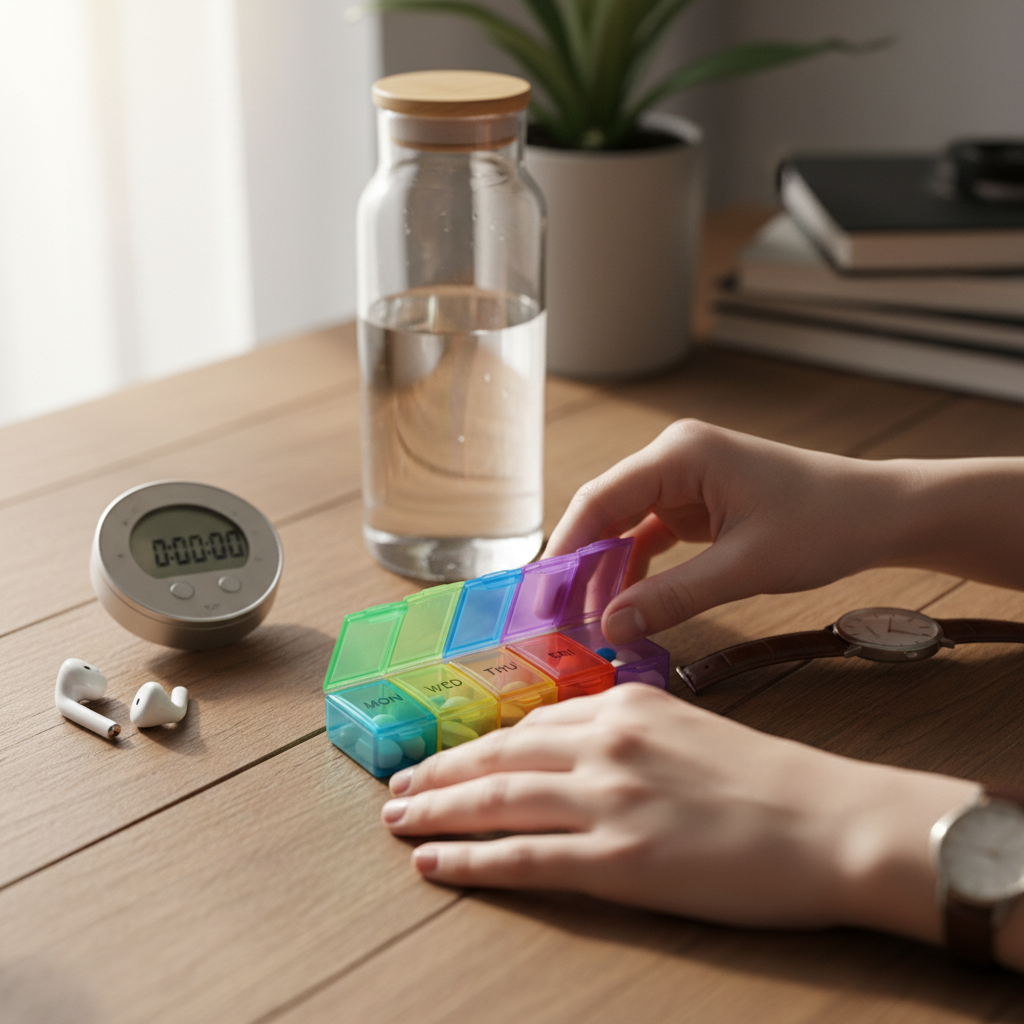
- Medication routines: Pill organizers, pharmacy delivery/pickup plans, and phone alarms reduce missed doses.
- Craving circuit breakers: 10-minute walk, cold shower, breathing drill, or a quick call to a peer—write these on your plan.
- Mental health support: Request psychiatry referrals (local or virtual) when depression, anxiety, or trauma symptoms surface.
- Learning resources: Our overview of medication-assisted treatment benefits shows how MAT supports long-term stability.
Downloadable one-page plan (copy/paste)
My One-Page Recovery Plan
Goal (30 days): ______________________________________________
Goal (60 days): ______________________________________________
Goal (90 days): ______________________________________________
Medication: __________________________________  Dose: ________
Pharmacy plan: Delivery / Pickup at ______________  Time: ____
Morning trigger: __________  Counteraction (10 min): __________
Afternoon trigger: ________  Counteraction (10 min): __________
Evening trigger: __________  Counteraction (10 min): __________
Support contact A: __________  When I call: ___________________
Support contact B: __________  When I call: ___________________
Sleep anchor: ________  Meal anchor: ________  Walk: ________
Next check-in: ____/____/____   Notes: _______________________
Simple weekly review (5 minutes)
- Wins: List 2 things that worked.
- Barriers: List 2 friction points (sleep, work, transit, pharmacy).
- Adjustments: Pick 1 small change for next week.
- Safety: Confirm naloxone access and pharmacy plan.
Mid-article CTA
Ready to map a one-page plan with a clinician? Road To Recovery offers reduced wait times and same-day intake for new OAT patients at multiple Ontario locations. Bring your goals—we’ll help you turn them into steps.
Real-World Examples (Ontario Outpatient)
- Shift worker on Methadone: Stabilized mornings with dose timing; added sleep hygiene and a 4 p.m. walk. Weekly check-ins aligned with shift changes; cravings dropped from 7/10 to 3/10.
- Student on Suboxone: Micro-induction avoided precipitated withdrawal; semester calendar anchored counseling around exams; pharmacy delivery reduced missed doses.
- Parent choosing Sublocade: Monthly injection removed the daily pill burden; childcare plan arranged for clinic day; relapse prevention focused on weekend triggers.
- Patient eligible for Kadian: After trials with other OAT paths, slow-release morphine under close supervision improved morning function; mental health referral addressed insomnia.
- Alcohol use support: Structured evening routine plus peer check-ins reduced spontaneous drinking; family role was “walk after dinner on Tue/Thu.”
- Stimulant (cocaine) support: Identified payday as a high-risk window; added Friday noon check-in and a planned activity 5–7 p.m.; cravings rating fell over four weeks.
- Gambling support: Self-exclusion and app blockers paired with a financial accountability buddy; weekly progress notes kept the plan honest.
- Smoking cessation: Set quit date after two months of OAT stability; morning “phone on airplane mode” routine reduced triggers linked to coffee and news doomscrolling.

Local Tips
- Weather buffer: Winter travel can disrupt pharmacy visits. Build a 72-hour buffer plan and confirm dosing windows ahead of storms.
- Holiday hours: Major holidays may shift clinic and pharmacy schedules. Ask your team to map an early pickup window.
- Transit fit: If transit or distance is a challenge, ask about nearby clinic locations or adjusting your follow-up cadence while you stabilize.
Note: What works in downtown Toronto can differ from Barrie or Sault Ste. Marie—personalize these tips with your clinician.
FAQ
How do I know which medication is right for me?
Match your history, withdrawal pattern, and preferences with a clinician’s assessment. Methadone offers strong stabilization; Suboxone has a safety ceiling; Sublocade simplifies adherence with monthly dosing; Kadian may be considered in select cases. Review and adjust weekly early on to fine-tune fit and dose.
Can I start quickly if I’m in withdrawal?
Yes. With same-day intake for OAT, teams can triage symptoms and begin stabilization fast. Once withdrawal and cravings are controlled, therapy skills and routines are easier to practice.
Do I need therapy in addition to medication?
Medication reduces withdrawal and cravings; therapy and skills protect progress. Most people benefit from both, especially in the first 90 days when routines are forming.
What if I relapse?
Treat it as data, not defeat. Identify the trigger, adjust medications or dosing time, add a short-term check-in, and update your prevention map. Recovery is iterative and plans should evolve with you.
How can my family help without taking over?
Give loved ones two specific weekly roles—like a pharmacy ride on Thursdays or a 15-minute evening walk. Clear, small tasks prevent misunderstandings and reduce stress on everyone.
Key Takeaways
- Personalized addiction recovery plans work because they fit your life and evolve as you stabilize.
- Stabilize first with the right medication path; then add skills, routines, and family roles.
- Keep the plan on one page and review it in under two minutes each visit.
- Short, frequent check-ins in weeks 1–4 prevent drift and build confidence.
- Use safety nets—overdose prevention and harm reduction—while long-term change takes hold.
Conclusion & Next Steps
- Write three goals for the next 30 days (sleep, work/school, family time).
- List your top three triggers and one 10-minute counteraction for each.
- Discuss Methadone, Suboxone, Sublocade, or Kadian with your clinician and choose a starting point.
- Set weekly check-ins for the first month; shift cadence as stability grows.
- Explore next-level supports like dual-diagnosis care in our overview on mental health and addiction treatment.
You don’t have to white-knuckle this. With a plan that reflects your life, progress becomes a set of steps you can repeat—one week at a time.
Related Articles
- Personalizing OAT: From Stabilization to Take-Home Readiness
- Creating a Family Support Script That Actually Helps
- Monthly Medications: When Sublocade Makes Sense
- Designing Relapse Prevention for Weekends and Paydays
Recent Post
-
 October 23, 2026
Cocaine Outpatient Treatment Outcomes: What Progress Really Looks...
-
 October 20, 2026
Family Resources for Addiction Recovery in Hamilton: Practical...
-
 October 19, 2026
How to Choose an Opioid Agonist Therapy Clinic...
-
 October 18, 2026
Kadian for Opioid Use Disorder: How Treatment Works...

You are Valued
Road to Recovery is an outpatient opioid detoxification center, with locations across Ontario.
- Confidential care
- Same-day support
- Personalized treatment