
A personalized treatment plan is a structured, written roadmap that aligns your goals, medical history, and daily realities with the most effective therapies for you. It defines what will be treated, how, and when—so you can start safely and make steady progress. At Road To Recovery clinics serving patients all over Ontario, this plan guides your care from day one.
By Road To Recovery • Last updated: 2026-05-13
Above the fold: hook and table of contents
Your plan should start working on day one. At Road To Recovery, we combine same-day intake, evidence-based medications, and judgment-free support to help you stabilize quickly. Use this guide to understand what a personalized plan includes, why it matters, and how to put it into action across Ontario.
In this complete guide, you’ll learn how we design and adjust a personalized treatment plan that fits your life, your health, and your goals—without delays. You can skim the topics below or read end to end.
- Quick Summary
- What Is a Personalized Treatment Plan?
- Why Personalized Treatment Matters
- How a Personalized Treatment Plan Works
- Types, Medications, and Approaches
- Best Practices to Stay on Track
- Tools and Resources
- Case Studies and Examples
- FAQ
- Conclusion and Next Steps
Quick summary
A personalized treatment plan maps your goals to evidence-based care—quickly. At Road To Recovery, that means same-day intake for opioid use disorder, access to Methadone, Suboxone, Sublocade, or Kadian, mental health referrals, and ongoing check-ins. The plan is adjusted continuously to match your progress, safety needs, and life changes.
Here’s the core idea: recovery moves faster when the plan fits the person. That’s why we tailor medications, visit frequency, and supports to your unique health profile and daily routine. It also means rapid iteration—tight feedback loops limit setbacks and build confidence.
What is a personalized treatment plan?
A personalized treatment plan is a living care blueprint that aligns diagnosis, medication, therapy, and recovery supports with your goals and risks. It includes clear steps, roles, safety measures, and review dates. The plan evolves based on your response, side effects, milestones, and real-life stressors.
In addiction medicine, a personalized plan typically covers: your substance use history, co-occurring conditions, medication-assisted treatment options, therapy preferences, harm-reduction steps, relapse-prevention tactics, and check-in schedules. It also lists who is doing what—patient, clinician, nurse, pharmacist, and any family supports you choose to involve.
At Road To Recovery, your plan is created during intake and updated at each follow-up. For opioid use disorder, we match you with appropriate Opioid Agonist Therapy (OAT) options and adjust dosing carefully during stabilization. For alcohol or cocaine concerns, we add targeted therapies, recovery coaching, and mental health and addictions program referrals when useful.
Why personalized treatment matters
Personalized plans improve engagement, safety, and outcomes. When medication, frequency of care, and supports match a person’s realities, attendance rises, withdrawal risks drop, and progress compounds. In our clinics across Ontario, tailoring plans also reduces wait-related drop-off by starting care the same day.
Why this matters to you: recovery momentum is fragile early on. Quick access avoids gaps where symptoms or cravings can overpower intent. A plan that respects your schedule and responsibilities (work, caregiving, transportation) makes it practical to show up. And when you see progress week by week, motivation strengthens.
In our experience, consistent review dates and clear, measurable goals (for example, “no missed doses for 14 days” or “two therapy visits this month”) keep the path visible. Pairing those goals with judgment-free care fosters honesty—essential for safe dose adjustments, side effect management, and relapse prevention.
For a deeper dive on how we support stepped care, see our overview of support treatment across Ontario. It explains how medication, counseling, and community services interact to sustain change.
How a personalized treatment plan works
The process is structured: intake, assessment, plan, start, stabilize, strengthen, and maintain. At Road To Recovery, new OAT patients meet a nurse and then a physician on the same day. We begin the plan immediately, adjust early and often, and document every change for safety and clarity.
Here’s the step-by-step flow our teams use in clinics serving people all over Ontario:
- Intake (Day 0): Secure online intake or walk-in; consent, brief history, screens; nurse triage the same day.
- Assessment (Day 0): Physician review; discuss goals, risks, medications (Methadone, Suboxone, Sublocade, Kadian), and supports.
- Plan Draft (Day 0): Agree on goals, safety steps (e.g., overdose prevention), check-in schedule, and early warning signs.
- Start (Day 0–1): Begin medication-assisted treatment where indicated; coordinate pharmacy and first follow-up.
- Stabilize (First 1–2 weeks): Dose adjustments based on symptoms, vitals, and function; address sleep, nutrition, and stressors.
- Strengthen (Weeks 3–8): Add therapy, skills, and supports; refine relapse-prevention steps; adjust visit frequency.
- Maintain and Evolve (Ongoing): Quarterly plan reviews; celebrate milestones; prepare for transitions (school, work, moves).
We record concrete markers (no-urge days, improved sleep, work hours regained) and refine the plan accordingly. This lets us catch issues early—missed doses, side effects, new triggers—and act before they snowball.
Types, medications, and approaches
Effective plans combine medications, counseling, and supports. For opioid use disorder, we consider Methadone, Suboxone, Sublocade, or Kadian. We add mental health referrals, smoking cessation, or gambling supports as needed. The right mix depends on history, goals, medical factors, and lifestyle.
At Road To Recovery, our core services give you a wide toolkit. Your personalized plan may include one or more of the following, adjusted over time:
Meds within Opioid Agonist Therapy (OAT)
- Methadone Program: Full opioid agonist; supports steady receptor activation and withdrawal control. See our Methadone care in Ontario overview for how we start and stabilize safely.
- Suboxone (buprenorphine/naloxone): Partial agonist with ceiling effect; often paired with take-home flexibility as patients stabilize.
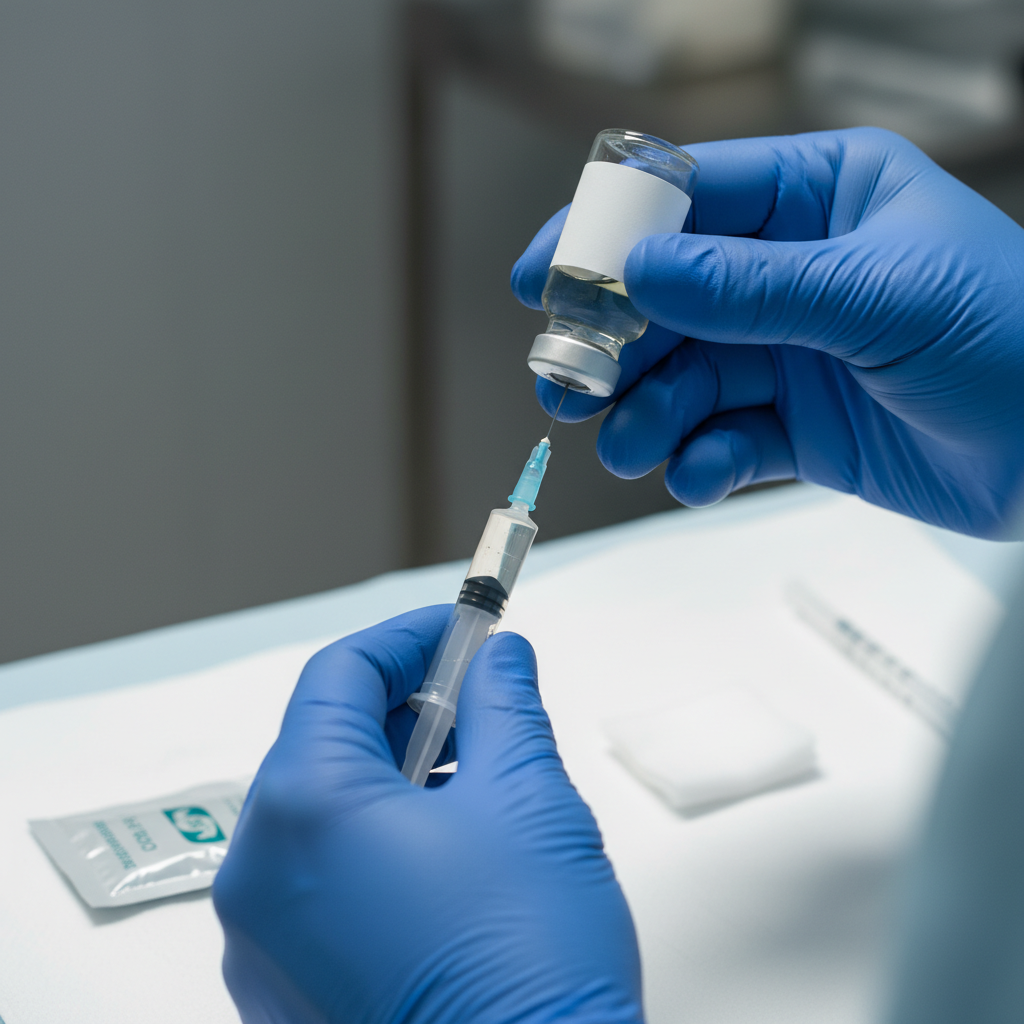
- Sublocade (buprenorphine extended-release): Monthly injection that maintains therapeutic levels; reduces daily decision load and risk of missed doses. For background on long-acting formats, compare injection vs oral delivery in this overview of long-acting drug delivery.
- Kadian (morphine sustained-release): Long-acting option considered in select cases as part of a personalized OAT pathway.
Adjunct programs for other concerns
- Alcohol Addiction Treatment: Medication options, behavioral strategies, and monitoring. See our alcohol program overview.
- Cocaine Addiction Treatment: Skills-based strategies, cue management, and mental health supports integrated through our substance treatment programs guide.
- Gambling Addiction Treatment: Financial harm-reduction, triggers plan, and accountability structures.
- Smoking Cessation: Nicotine replacement options and habit-change planning.
Mental health & coordinated supports
- Mental Health & Addictions Programs: We coordinate psychiatry referrals locally or virtually—so your mood, sleep, and anxiety needs are addressed alongside OAT.
- Psychiatry referral services: Coordinated through partners; virtual and in-person options help reduce wait times and align with your schedule.
- Family and Individual Resources: Education and boundary-setting tools; optional involvement in safety planning.
| Component | Primary use | Visit rhythm | Notes |
|---|---|---|---|
| Methadone | Stabilize opioid withdrawal and cravings | Frequent early, then tapering | Structured titration; pharmacy coordination is key |
| Suboxone | Opioid use disorder with need for flexibility | Weekly to monthly | Ceiling effect supports safety; home inductions when appropriate |
| Sublocade | Monthly maintenance without daily dosing | Monthly injection | Reduces daily decision load and missed dose risk; see background on extended-release modalities |
| Kadian | Long-acting support in select situations | Frequent early, then monthly | Considered case-by-case within OAT |
| Mental health referral | Treat mood, sleep, anxiety drivers | As scheduled | Coordinates with therapy and medication plan |
For readers who like pharmacology context, here’s a general explainer on formulation science for long-acting medicines in clinical practice: drug delivery backgrounder. While it isn’t patient-specific guidance, it shows why extended-release formats can help adherence.
Best practices to stay on track
Successful plans are clear, realistic, and frequently reviewed. Set concrete goals, schedule regular check-ins, and remove friction (transport, pharmacy coordination). Use reminders, track wins, and adjust fast when life changes. In our clinics, small weekly gains compound into durable progress.
Make the plan visible and specific
- Write goals in plain language: what, when, and how you’ll know it worked.
- Highlight early warning signs (sleep loss, skipped meals, missed calls) and what to do first.
- Document dose changes, side effects, and coping skills in one place.
Remove friction that derails care
- Align visits with your commute or childcare schedule; consolidate pharmacy trips.
- Use calendar reminders for doses and appointments.
- Ask our team to simplify paperwork and coordinate psychiatry referrals.
Strengthen protective routines
- Anchor dose times to existing habits (after breakfast, before work).
- Build a short daily check: sleep quality, cravings, stress level, nutrition.
- Schedule at least one supportive activity weekly (meeting, walk, call a supporter).
Consistency beats intensity early on. When setbacks happen, we return to the plan, analyze one or two variables, and tune again. Our medication-assisted treatment guide outlines how meds and routines reinforce each other.
Tools and resources
Use simple tools to make your plan easier: a secure intake portal, appointment reminders, and a personal progress log. Add optional supports—family education, smoking cessation, or gambling recovery—so your plan protects the gains you’re making.
- Secure online intake: Start quickly and reduce wait times so motivation turns into action the same day.
- Appointment and dose reminders: Phone calendar or app reminders reduce missed doses and late visits.
- Progress tracker: Record sleep, energy, cravings, and mood; bring notes to visits.
- Family resources: Share only what you choose; clarify boundaries and how to help during tough days.
- Smoking cessation add-on: Reducing nicotine often improves sleep and focus during recovery.
- Gambling recovery supports: Protect finances and mental bandwidth as you stabilize.
If you’re looking for a broader roadmap to offerings and how to start, see our substance treatment programs guide and our primer on personalized addiction recovery plans.

Case studies and examples
Real plans are built around real lives. These brief scenarios show how we tailor medications, check-ins, and supports for different situations across Ontario—so momentum builds and risk drops, week by week.
Stabilizing fast after fentanyl exposure
After a recent fentanyl exposure, a patient begins OAT the same day. We start with an induction pathway that prioritizes safety checks, pharmacy coordination, and a next-day visit. Within two weeks, sleep, appetite, and energy improve, and visit frequency tapers as stability increases.
Shifting from daily dosing to monthly structure
A patient stable on sublingual buprenorphine wants fewer daily decisions. We discuss extended-release options, then transition to a monthly maintenance schedule with clear aftercare steps. The plan flags signs that should trigger a quick check-in to adjust early.
Addressing alcohol use alongside OAT
Someone on Methadone notices alcohol creeping up on weekends. We add targeted strategies from our alcohol addiction treatment program, set weekend-specific routines, and book a mental health consult to manage stress patterns fueling urges.
Integrating mental health support
A patient with anxiety and sleep issues benefits from coordinated psychiatric input. The plan blends OAT stabilization, coping strategies, and a short course of therapy, with progress checks tying mood changes to medication timing.
Family involvement by choice
With permission, a trusted family member learns how to support medication routines without adding pressure. We define “helpful vs. not helpful” behaviors and provide a shared plan summary to reference during tough weeks.
Local considerations for all over ontario
- Transportation varies across Ontario. When building your plan, align visit times with your most reliable transit window and ask us about coordinating pharmacy pickups on the same route.
- Seasonal shifts matter. Winter storms and summer holidays can disrupt routines—schedule buffer appointments ahead of long weekends and keep an emergency contact pathway on hand.
- Regional supports differ. If you prefer virtual psychiatry or local referrals, tell us up front so we can route you to the fastest option available in your area.
Start today: If you’re ready to begin a personalized treatment plan, our teams can see new OAT intakes the same day. You’ll meet a nurse and then a physician, and we’ll get your plan moving immediately.
Contact Road To Recovery to begin—judgment-free, confidential, and focused on your goals.
Frequently asked questions
Get quick answers to common questions about personalized treatment plans—how they’re created, what they include, and how often they change. If your question isn’t here, our clinics can help you map next steps and start safely.
What does a personalized treatment plan include?
It outlines your goals, diagnoses, medications, therapy, safety steps, and review dates. It also specifies who’s involved (you, clinicians, pharmacy, optional family) and what to do if early warning signs appear. The plan is updated at each follow-up to reflect progress or new stressors.
How often is my plan reviewed?
Early on, reviews are frequent—often weekly—so dose and routines can be adjusted safely. As you stabilize, reviews become less frequent but remain scheduled. Major life changes (moving, new job, family stress) can prompt earlier check-ins.
Can I switch medications if something isn’t working?
Yes. Your plan is meant to evolve. If side effects, cravings, or logistics become barriers, we’ll reassess options such as Methadone, Suboxone, Sublocade, or Kadian and adjust the plan to prioritize safety and function.
Do you coordinate mental health support?
We can arrange psychiatry referrals locally or virtually so mood, sleep, and anxiety are addressed alongside addiction treatment. Your personalized plan integrates those recommendations into daily routines.
What if I miss a dose or appointment?
Tell us as soon as you can. We’ll review your safety plan, look for triggers, and adjust logistics. The goal isn’t punishment—it’s problem-solving so you can regain momentum quickly and safely.
Conclusion and next steps
A personalized treatment plan turns intention into action. With same-day intake, evidence-based medications, and coordinated supports, you can stabilize faster and stay safer. The key is frequent review and practical adjustments that fit your life across Ontario.
- Key takeaways: your plan is living, specific, and reviewed often; medications and supports are tailored; small wins compound.
- Next step: begin with a same-day intake so we can draft and start your plan immediately.
- Where we help: clinics serving people all over Ontario with confidential, judgment-free care.
Ready to move? Explore our recovery and treatment guide and book a quick intake. If you want to understand OAT foundations, our medication-assisted treatment benefits primer is a great starting point.
Recent Post
-
 October 23, 2026
Cocaine Outpatient Treatment Outcomes: What Progress Really Looks...
-
 October 20, 2026
Family Resources for Addiction Recovery in Hamilton: Practical...
-
 October 19, 2026
How to Choose an Opioid Agonist Therapy Clinic...
-
 October 18, 2026
Kadian for Opioid Use Disorder: How Treatment Works...

You are Valued
Road to Recovery is an outpatient opioid detoxification center, with locations across Ontario.
- Confidential care
- Same-day support
- Personalized treatment