
A westside methadone clinic is an outpatient program that provides medication-assisted treatment (MAT) for opioid use disorder on the west side of a city or region. It offers supervised methadone dosing, counseling, and recovery supports close to home. At Road To Recovery, you can start safely—often the same day—and continue care without judgment.
By Road To Recovery • Last updated: 2026-04-13
Above the Fold: Hook, Overview, and Table of Contents
Use a westside methadone clinic to begin evidence-based opioid treatment near where you live and work. Road To Recovery streamlines intake (nurse then physician the same day), provides supervised dosing, and layers in counseling and mental health referrals so you can stabilize quickly and stay on track.
- What you’ll get in this complete guide:
- Clear definition of a westside methadone clinic and who benefits
- Why proximity matters for adherence and outcomes
- How intake, dosing, and follow-ups work step by step
- Alternatives to methadone: Suboxone, Sublocade, Kadian
- Best practices, tools, checklists, and real scenarios
- Actionable FAQs for fast decisions
Quick Answer
Looking for a westside methadone clinic? Road To Recovery delivers same-day intake, supervised dosing, and ongoing counseling across multiple Ontario communities. Start online or walk in, and our team will tailor Opioid Agonist Therapy (OAT)—including Methadone, Suboxone, Sublocade, or Kadian—to your goals.
Local Tips
- Tip 1: If you commute from west-side corridors in the GTA or other Ontario cities, pick a clinic close to your daily route to simplify supervised dosing and counseling check-ins.
- Tip 2: Winter weather and traffic can disrupt routines—ask about eligibility for take-home carries and virtual check-ins to maintain consistency.
- Tip 3: Bring a current medication list and naloxone kit details to help our team individualize your plan and flag potential interactions early.
IMPORTANT: These tips align with Road To Recovery’s same-day intake flow and multi-location network across Ontario.
Summary
A westside methadone clinic combines supervised methadone dosing with counseling and mental health supports, close to home. Road To Recovery reduces wait times with same-day nursing and physician support and offers alternatives—Suboxone, monthly Sublocade, and Kadian—so treatment fits your history, preferences, and goals.
- Evidence-based OAT options under one network
- Confidential, judgment-free environment
- Same-day intake: nurse assessment then physician
- Coordinated psychiatry referrals (local or virtual)
- Multiple Ontario clinics for convenient access
What Is a Westside Methadone Clinic?
A westside methadone clinic is a neighborhood-based program offering supervised methadone treatment plus counseling and recovery resources. Road To Recovery delivers this care across Ontario with privacy-first processes, streamlined intake, and alternatives beyond methadone when clinically appropriate.
Core purpose and benefits
- Stabilize withdrawal and cravings: Methadone is a long-acting opioid agonist that eases withdrawal and reduces cravings so you can function.
- Improve safety: Remaining in OAT is linked to reduced overdose mortality and fewer emergency visits, as summarized by national and provincial health agencies.
- Rebuild routines: Daily structure and counseling support work, school, parenting, and community commitments.
Who it helps
- People using fentanyl or short-acting opioids: Seeking stabilization and safer pathways.
- Those who tried to quit alone: Ready for a medical, structured approach.
- Families and caregivers: Looking for guidance, resources, and consistent support.
Road To Recovery’s role
- Multiple OAT options: Methadone, Suboxone, Sublocade, and Kadian are available in-network.
- Holistic supports: Access mental health referrals, family resources, and individual resources when needed.
- Reduced wait times: New OAT patients meet a nurse and then a physician the same day they start.
For an overview of medication choices, see our plain-language explainer on medication-assisted treatment benefits and how these medications help you reclaim daily life.
Why West-Side Access Matters
Close-to-home clinics reduce travel friction and missed doses. West-side access improves adherence, allows faster response to setbacks, and supports day-to-day responsibilities. Road To Recovery’s multi-location network removes barriers that delay starting and continuing life-saving care.
Adherence and outcomes
- Shorter commutes: Less time in transit helps you maintain daily supervised dosing.
- Flexible check-ins: Coordinated schedules reduce conflicts with work or school.
- Fewer missed doses: Proximity supports continuity during challenging weeks.
Stigma and privacy
- Judgment-free environment: Staff prioritize dignity, confidentiality, and practical problem-solving.
- Streamlined flow: In our experience, a clear, respectful intake reduces drop-off rates and anxiety.
Integrated mental health
- Psychiatry referrals: Coordinated locally or virtually through trusted partners for anxiety, depression, PTSD, or ADHD.
- Therapy alignment: Counseling and harm-reduction education are built into care plans.
Curious how OAT works under the hood? Our primer on Opioid Agonist Therapy explains mechanisms, safety, and what to expect.
How a Westside Methadone Clinic Works (Step-by-Step)
You start with intake and nursing assessment, meet with a physician the same day, and begin supervised dosing. Frequent early check-ins calibrate dose and safety. As stability improves, you may qualify for take-home carries and flexible follow-ups that fit work and family life.
- Secure intake: Begin online to save time; submit history, goals, and consent.
- Nursing assessment: Review current use, withdrawal severity, medications, and risks.
- Physician visit: Same-day review to set an initial methadone dose and monitoring plan.
- Supervised dosing: Daily clinic dosing for safety and accountability; discuss side effects.
- Counseling & education: Relapse-prevention skills, harm reduction, and family supports.
- Progress reviews: Adjust dose, consider carries, and align mental health referrals.
What most people don’t realize
- Early weeks are active: Expect frequent touchpoints to find the right dose and reduce side effects.
- Options exist: If methadone isn’t a fit, Suboxone, Sublocade, or Kadian may be better for you.
- Recovery is personal: Goals vary—sleep, work stability, parenting, or returning to school.
For a side-by-side medication comparison, see our analysis of Suboxone versus Methadone and how clinicians match options to personal history.
Types of OAT: Methadone, Suboxone, Sublocade, and Kadian
If methadone isn’t the best fit, alternatives include Suboxone (buprenorphine/naloxone), Sublocade (monthly buprenorphine injection), and Kadian (slow-release morphine). Road To Recovery offers all four, tailoring to your history, preferences, and clinical factors.
| OAT Option | Format | Best for | Visit pattern | Key considerations |
|---|---|---|---|---|
| Methadone | Daily supervised oral dose | High tolerance or prior buprenorphine non-response | Daily, then possible take-home carries | QTc monitoring, interactions review, careful titration |
| Suboxone | Buprenorphine/naloxone film or tablet | People seeking partial-agonist profile | Induction then regular follow-ups | Precipitated withdrawal risk if started too soon |
| Sublocade | Monthly long-acting injection | Those who prefer no daily dosing | Monthly injections after stabilization | Requires prior buprenorphine stabilization |
| Kadian | Slow-release oral morphine | Specific clinical scenarios | Regular check-ins per protocol | Specialist oversight; not first-line in many cases |
Want more depth on buprenorphine’s staying power? Explore our 2026 review of long-term effectiveness and what real-world retention looks like.
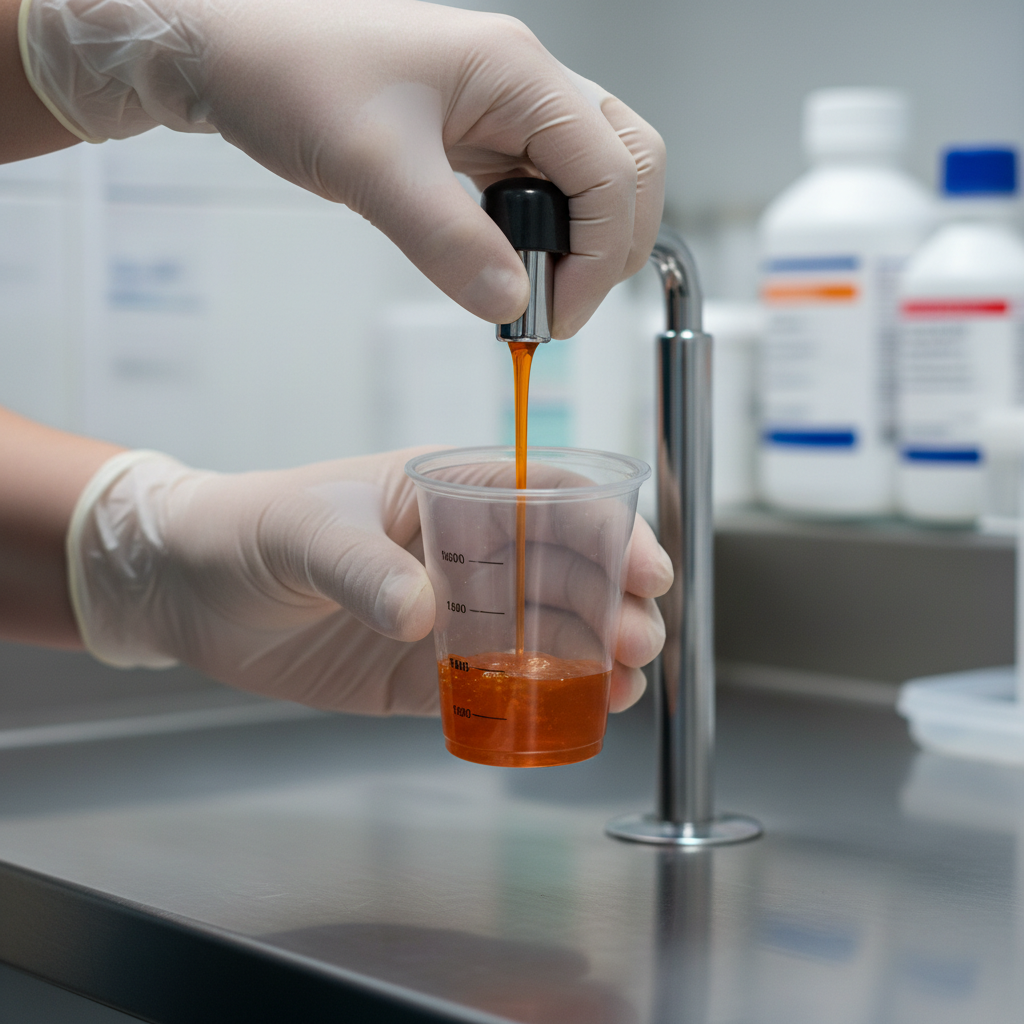
Best Practices to Start and Stay on Track
Build consistency with routine, clear goals, and open communication. Use reminders, bring a support person if helpful, and ask about take-home eligibility as you stabilize. Pair medication with counseling, harm reduction, and mental health support for durable recovery.
Before your first visit
- Plan logistics: Choose a westside methadone clinic location aligned with your commute.
- Prepare documents: Government ID, medication list, allergies, prior treatments.
- Safety first: Keep a naloxone kit handy and share where you store it.
The first 2–4 weeks
- Frequent check-ins: Expect dose adjustments as your body stabilizes.
- Track symptoms: Log sleep, cravings, mood, and any side effects.
- Ask questions: Discuss interactions, travel plans, and carry eligibility.
Build resilience
- Identify triggers: People, places, and patterns that increase risk.
- Practice coping skills: Breathing techniques, brief walks, supportive calls.
- Use counseling: Problem-solve stressors like work shifts or childcare.
To map options to goals, our guide on recovery options outlines practical paths that patients and families use to move forward.
Tools and Resources You Can Use Today
Start intake online, access educational resources, and ask about virtual psychiatry referrals. Road To Recovery coordinates with trusted partners and offers multiple OAT options under one network to keep the process simple and fast.
- Secure online intake: Begin forms and consent from home to speed up day one.
- Naloxone & harm reduction: Learn overdose recognition and response; store kits where you’ll remember them.
- Mental health support: Request psychiatry referrals to address anxiety, depression, trauma, or ADHD.
- Education library: Read about Suboxone, Sublocade, methadone, and Kadian options in plain language.
- Family resources: Share quick-start guides with loved ones to align expectations.

Case Studies and West-Side Scenarios
Patients choose a westside methadone clinic for proximity to work, school, or family. With same-day intake, flexible follow-ups, and mental health coordination, people stabilize faster and keep daily routines while building long-term recovery skills.
Commuter parent
- Challenge: School drop-offs and shift work collided with dosing times.
- Action: Selected a west-side location on the usual drive; used early dosing window.
- Result: Consistent dosing; counseling targeted stress and sleep hygiene; later qualified for carries.
Returning student
- Challenge: Daily dosing conflicted with class schedule.
- Action: Transitioned from methadone to monthly Sublocade after stabilization.
- Result: Maintained coursework with predictable monthly visits and continued counseling.
Shift worker
- Challenge: Rotating hours made routine difficult.
- Action: Coordinated early or late dosing windows and used a cravings log.
- Result: Better sleep patterns, fewer missed doses, and eligibility for carries over time.
FAQ
Start with secure intake or walk in, meet nursing and medical staff the same day, and begin supervised dosing. As you stabilize, your team will review carries, alternatives like Suboxone or Sublocade, and ongoing counseling and mental health supports.
- How do I start at a westside methadone clinic?
- Begin with our secure online intake or visit during clinic hours. You’ll meet a nurse for assessment and then a physician to set an initial dose and monitoring plan. Bring your medication list and any allergies.
- Is methadone my only option?
- No. Many patients do well on Suboxone, long-acting Sublocade injections, or Kadian. Your clinician will recommend the best fit based on your history, goals, and clinical considerations.
- What happens as I stabilize?
- Expect periodic reviews, potential dose adjustments, and discussion of take-home eligibility. Counseling and mental health support remain part of your plan because they improve outcomes.
- Do you help with alcohol or other concerns too?
- Yes. Road To Recovery supports alcohol and cocaine use concerns, gambling, smoking cessation, and coordinates psychiatry referrals so co-occurring needs don’t stall progress. If your goal is to stop alcohol, ask about integrated supports.
- Is care confidential and judgment-free?
- Absolutely. Your privacy and dignity come first. Care plans are personalized and focused on your goals without judgment, in line with our patient-centered model.
Conclusion and Next Steps
A westside methadone clinic makes starting OAT faster and sticking with it easier. Road To Recovery streamlines intake, offers multiple medications, and coordinates mental health care so you can stabilize now and build a life aligned with your goals.
- Decide your first step: in-person visit or online intake today
- Bring a medication list and consider a trusted support person
- Ask about Suboxone, Sublocade, or Kadian if methadone isn’t ideal
- Plan counseling and mental health supports early to strengthen results
Thinking about getting started? We offer same-day intake for new OAT patients. Begin online or visit a clinic near you to talk with our team.
Key Takeaways
- West-side access improves adherence and outcomes by reducing travel friction.
- Road To Recovery provides same-day intake and multiple OAT options.
- Combine medication with counseling and harm reduction for the strongest results.
- Ask early about mental health support and take-home eligibility.
Recent Post
-
 October 23, 2026
Cocaine Outpatient Treatment Outcomes: What Progress Really Looks...
-
 October 20, 2026
Family Resources for Addiction Recovery in Hamilton: Practical...
-
 October 19, 2026
How to Choose an Opioid Agonist Therapy Clinic...
-
 October 18, 2026
Kadian for Opioid Use Disorder: How Treatment Works...

You are Valued
Road to Recovery is an outpatient opioid detoxification center, with locations across Ontario.
- Confidential care
- Same-day support
- Personalized treatment