
Sublocade is a once-monthly, extended-release form of buprenorphine given as a small abdominal injection to treat opioid use disorder. It forms a subcutaneous depot that delivers steady medication levels for about a month. If you define Sublocade in practical terms, it’s maintenance treatment that reduces daily dosing and supports stability across all over ontario.
By Road To Recovery | Last updated: June 25, 2026
At a Glance: Sublocade in 2026
Sublocade is a monthly buprenorphine injection for opioid use disorder that maintains stable levels without daily pills or films. In 2026, it remains a core medication-assisted treatment, offered locally with same-day intake support through Road To Recovery clinics across Ontario.
This complete guide explains what Sublocade is, why it matters, how it works, and how to start safely in a supportive outpatient setting. You’ll also see how Road To Recovery coordinates same-day intake, ongoing follow-up, and mental health referrals across Ontario communities.
- Define Sublocade: clear definition and fast facts
- Why monthly buprenorphine helps day-to-day life
- How the injection works under the skin
- Ways to start: induction and transitions
- Comparison: Sublocade vs. Suboxone vs. Methadone
- Best practices and safety checklists
- Ontario-specific tools, intake, and support
- Real-world examples and FAQs
Define Sublocade: Clear Definition and Fast Facts
Sublocade is an extended-release buprenorphine injection given once per month to treat opioid use disorder. Placed under the abdominal skin, it forms a depot that steadily releases medication for about 28–30 days, helping control cravings and withdrawal with no daily dosing.
When people say “define Sublocade,” they’re asking for the essence: a monthly shot that keeps buprenorphine at therapeutic levels without daily films or tablets. Buprenorphine, a partial opioid agonist, binds to opioid receptors to reduce withdrawal symptoms and cravings while limiting euphoric effects. The monthly format simplifies routines and protects against missed daily doses.
At Road To Recovery, Sublocade is one of several evidence-based options alongside Methadone, Suboxone, and the Kadian Program. Our clinicians tailor recommendations based on your history, goals, and logistics—because the “right” medication is the one you can stay on safely. For foundations and logistics, start with our Sublocade overview and plain-language primer, Sublocade: what is it?.
Why does this definition matter across all over ontario? Many people balance shift work, commuting, parenting, and school. A monthly visit—often less than an hour door-to-door—can free mental space and make recovery tasks easier to fit into real schedules.
Why Sublocade Matters for Recovery
Sublocade reduces daily decision-making and maintains steady buprenorphine levels, which supports fewer cravings, better focus, and more predictable routines. Many patients choose it to remove the “daily dose” friction and keep life on track.
Recovery unfolds inside normal life—work shifts change, childcare falls through, and stress spikes. A once-monthly injection reduces the number of actions required to stay covered against cravings and withdrawal. That’s a practical win you feel each morning you wake up with protection already in place.
- Consistency: One injection supports roughly 28–30 days of therapeutic exposure, so coverage is there when you need it.
- Privacy: No daily packaging to store, carry, or explain—discreet and routine.
- Adherence: Fewer missed doses during busy weeks; the medication is “built in.”
- Focus: Less energy spent managing daily meds; more for counseling, work, or family time.
At Road To Recovery, the impact is reinforced by access. New opioid agonist therapy (OAT) intakes are seen by a nurse and then a physician on the same day they start—a momentum boost that many patients say kept them from stalling. Pairing Sublocade with counseling, family resources, and psychiatry referrals (local or virtual) creates a fuller support system.
How Sublocade Works (Mechanism and Monthly Release)
Sublocade uses a subcutaneous depot—a small medication mass under the skin—to release buprenorphine at a controlled rate for about a month. This maintains stable levels to reduce cravings and withdrawal without daily dosing.
Here’s the simplest way to picture it: the injection places a gel-like deposit in the fatty layer just under the abdominal skin. That deposit slowly releases buprenorphine into the bloodstream across the month. Because buprenorphine is a partial opioid agonist, it occupies receptors enough to calm cravings and withdrawal while capping the intensity of opioid effects.
Depot basics in plain English
Think of the depot as a tiny reservoir. It holds a month’s worth of medication (about 28–30 days) and lets it out evenly rather than all at once. This is why people describe feeling “even” across the month—fewer peaks and valleys compared to irregular daily use. Clinically, that evenness matters: steadier receptor coverage is linked with steadier sleep, mood, and day-to-day function.
In drug delivery science, these under-the-skin depots are engineered to release active ingredients at predictable rates over set intervals. While that article covers a different medication, the delivery idea—timed release from a subcutaneous depot—maps directly to why Sublocade’s once-monthly rhythm works.
Step-by-step monthly visit
- Check-in (5–10 minutes): Brief review of sleep, cravings, triggers, and any side effects. A quick plan for the coming month.
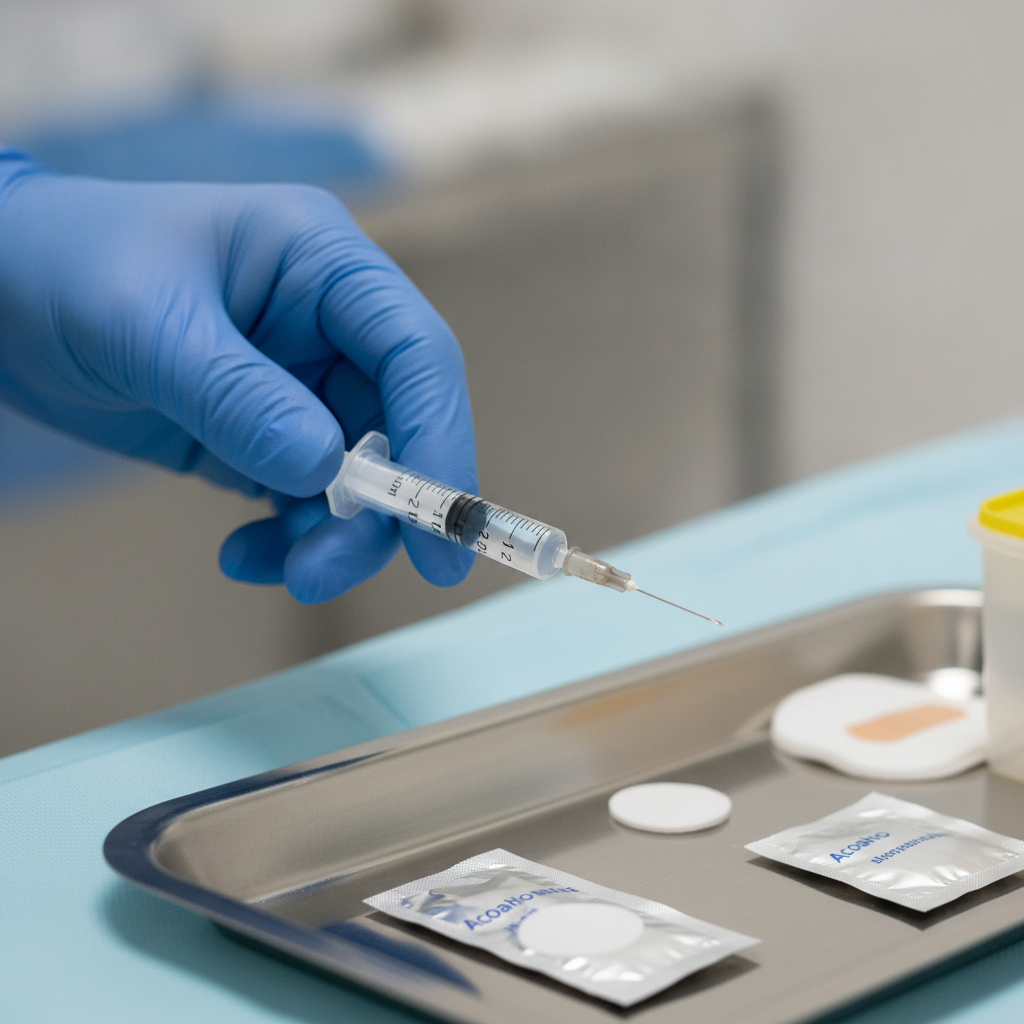
- Injection (a few minutes): A clinician injects the medication under the abdominal skin. Site rotation helps reduce tenderness.
- Observation and wrap-up (5–10 minutes): You can ask questions, confirm your next date, and leave with a clear plan.
Most people describe the appointment as focused and predictable. The consistency becomes an anchor point in the calendar—one visit, one injection, one more month of reliable coverage. For many, that anchor helps reduce anxiety about “what if I miss today’s dose?” because the dose is set for the month.
What you may feel across the month
- Week 1: Some people notice mild site tenderness for 24–72 hours. Hydration, light movement, and gentle heat can help.
- Weeks 2–3: Most report a steady groove—less time thinking about opioids, more time for routines.
- Week 4: Plan your next visit before you leave the clinic so the month rolls over smoothly.
Laboratory release testing helps ensure depots deliver at intended rates. For readers interested in the lab side, an overview of in vitro release testing from Resolve Mass describes how scientists measure timed release in similar depot systems. Another technical article on formulation challenges discusses how month-long delivery is engineered. These pieces are about a different therapy, but the core delivery science is relevant for understanding monthly buprenorphine.
Types, Methods, and Approaches to Starting Sublocade
Starting Sublocade typically involves stabilizing on buprenorphine first, then transitioning to the monthly injection under clinician supervision. Your approach is individualized—based on history, current medications, and comfort with visits.
There isn’t a single “right” way to begin; there’s a safe, stepwise path tailored to your situation. Below are common approaches we use in our Ontario clinics.
Induction roadmap (4 key steps)
- Assessment: Medical history, current opioid use, goals, and supports. Plan timing to avoid precipitated withdrawal.
- Buprenorphine stabilization: Most patients start on daily buprenorphine (often Suboxone) until they feel level across at least 24–48 hours.
- Transition to Sublocade: When stable, move to the monthly injection to automate coverage.
- Follow-up: Brief monthly check-ins + counseling/psychiatry as needed to reinforce gains.
Defining Sublocade as “monthly buprenorphine you don’t have to remember daily” helps orient the plan. The goal of induction is to get you to that stable rhythm with minimal stress.
Transition from Methadone
Some people move from Methadone to buprenorphine-based therapy before starting Sublocade. The exact steps depend on your current dose, comfort, and timing. We’ll plan a taper and bridge that minimizes discomfort and risk. The key is not rushing—steadiness during the switch leads to steadiness afterward.
- Map the taper: Agree on a schedule that respects work and family obligations.
- Bridge to buprenorphine: Use clinical criteria to start safely and avoid precipitated withdrawal.
- Stabilize, then inject: Once daily buprenorphine feels even, schedule the first Sublocade dose.
We’ve found clear calendars, honest symptom tracking, and quick messages to the clinic make this transition smoother. The first two months are the heaviest lift; then the rhythm lightens.
Maintaining between doses (month-long routine)
- Anchor your date: Book the next injection before you leave.
- Mid-month check: Set a day-14 reminder to notice any shifts in sleep, mood, or cravings.
- Support slots: Add 15–30 minutes weekly for counseling or recovery work.
Maintenance is simple by design: one clinic visit, one injection, one more month of coverage. The structure removes decision fatigue so your energy can shift to therapy, relationships, and stability at home and work.
Sublocade vs. Suboxone and Methadone
Sublocade trades daily dosing for a monthly clinic visit, delivering steady buprenorphine without daily pills or films. Suboxone remains daily but flexible, while Methadone is daily and clinic-based. The best choice depends on goals, history, and logistics.
Each medication can be effective; the fit depends on your life. Here’s a practical comparison to discuss with your clinician:
| Treatment | Dosing Rhythm | Clinic Logistics | Daily Medication? | Typical Use Case |
|---|---|---|---|---|
| Sublocade (buprenorphine) | Monthly injection (about 28–30 days coverage) | Brief monthly visit; administered by clinician | No | Desire for steady coverage, privacy, fewer daily choices |
| Suboxone (buprenorphine/naloxone) | Daily film/tablet | Clinic follow-up; take-home dosing once stable | Yes | Flexible self-administration; step before long-acting injection |
| Methadone | Daily liquid dose | Observed dosing early; take-home privileges when appropriate | Yes | Longstanding option; helps patients who respond best to full agonists |
When the monthly format wins
If you’re juggling shift work, parenting, or classes, removing 30 daily dosing decisions every month can be a relief. Patients who worry about losing or misplacing daily meds often prefer a clinic-administered injection. Others value the privacy and routine—no packaging or pharmacy timing to manage. The monthly rhythm becomes a quiet advantage during stressful seasons.
When daily dosing is a better fit
Some people prefer daily Suboxone because it allows fine-tuned adjustments, especially early in recovery or during life changes. Others respond best to Methadone’s full-agonist profile. If you travel frequently or can’t schedule a monthly clinic visit, daily dosing may be more practical. The right choice is the one that fits your calendar and keeps you covered.
Best Practices for Success on Sublocade
Build your month around the injection date, pair medication with support, and use brief check-ins to adjust early. A consistent routine, clear safety steps, and planned follow-ups improve outcomes.
We’ve guided thousands of monthly appointments across Ontario. The patterns are clear: simple structures help people win their month.
- Anchor the date: Put the next injection day on your calendar before you leave the clinic.
- Plan the first 72 hours: Arrange light duties, hydration, and rest if you tend to feel tender at the site.
- Pair with support: Even 15–30 minutes of counseling time per week adds traction.
- Check-in rituals: Use the monthly visit to review sleep, mood, and triggers. Small adjustments add up.
- Safety basics: Carry your medication card; store other medications safely; keep naloxone accessible.
- Mind the month’s middle: Set a mid-month reminder to notice how you’re feeling and message the clinic if anything shifts.
First 72 hours playbook
- Comfort care: Over-the-counter comfort strategies (as approved by your clinician), gentle stretching, and adequate fluids.
- Activity pacing: Avoid heavy lifting the day of injection; return to normal exercise as comfort allows.
- Site care: Keep the area clean and dry the day of your visit; rotate sites month to month.
These small actions reduce friction early in the month. If something feels off, flag it at your next appointment or call sooner—early tweaks keep the month smooth.
Safety checklist
- Carry a medication card or photo of your treatment plan on your phone.
- Store all medications safely and out of children’s reach.
- Keep naloxone available and ensure household members know where it is.
- Share your monthly date with a trusted person so it stays visible.
Safety is a team sport. When family or friends know the rhythm—one visit, one injection, one month—support becomes easier to offer and accept.
Relapse-prevention micro-habits
- Protect sleep: target a consistent bedtime and wake-up window.
- Plan food: two simple, repeatable meals per day reduce decision fatigue.
- Move daily: 10–20 minutes of walking supports mood and cravings control.
- Label triggers: name the top three and a one-line plan for each.
None of this has to be perfect. The goal is momentum that compounds over 28–30 days, then resets with the next visit.
Tools and Resources in all over ontario
Road To Recovery streamlines Sublocade access with same-day OAT intake, private monthly visits, and coordinated psychiatry referrals. Use the secure intake portal to start quickly and choose a clinic near your city.
Support works best when it’s easy to reach. Our outpatient network was built for accessibility and judgment-free care:
- Same-day intake: New OAT patients see a nurse, then a physician, the day they start.
- Multi-location access: Clinics serve communities including Toronto, Barrie, Brampton, Brantford, Hamilton, Newmarket, Orillia, and Sault Ste. Marie.
- Private monthly visits: Short, focused appointments respect your time and privacy.
- Mental health + psychiatry: Referrals arranged locally or virtually via partners to align care with your needs.
- Family and individual resources: Practical guides to support loved ones and day-to-day recovery.
If you’re exploring next steps, these resources help you move fast—and thoughtfully:
- How the prescription process works: Sublocade prescription in Ontario
- Starting your first month smoothly: Starting Sublocade guide
- What the appointment looks like: Injection treatment guide
- Choose a convenient location: Ontario Sublocade clinics
- Understand core concepts: Sublocade: what is it?
- Foundational overview: Sublocade treatment

How same-day intake works
- Secure intake: Complete the online form so our team can review needs right away.
- Nurse assessment: Triage your immediate concerns and plan initial steps.
- Physician visit: Same-day medical review and, when appropriate, induction planning.
Speed matters. The shorter the gap between “I’m ready” and “I’m supported,” the higher the chance of follow-through. Our processes were built to reduce wait times without sacrificing safety.
Local considerations for all over ontario
- Plan monthly visits around winter weather and road conditions common across Ontario; book earlier day slots during storms.
- During summer travel between cities, coordinate your injection date in advance so your month stays covered while you’re away.
- For shift-based work common in larger Ontario cities, ask for appointment windows that align with your rotation to avoid missed visits.
Evidence, Safety, and What to Expect
Monthly buprenorphine is an established treatment that supports steady receptor coverage and fewer daily decisions. Expect a brief visit, a small abdominal injection, and predictable coverage for about a month with routine check-ins.
Most people tolerate the injection well; site tenderness can occur, especially in the first 24–72 hours. Rotating placement within the abdomen and planning light activity the day of your visit usually helps. If you’ve used buprenorphine before, the monthly format may feel familiar—same medication family, new delivery rhythm.
Curious about long-acting depot technology more broadly? Development case studies in other therapeutic areas highlight how timing, formulation, and polymer matrices shape release curves. A technical overview from Resolve Mass describes in vitro release testing for depot systems, and another article on formulation challenges outlines how stable month-long delivery is engineered. While these pieces examine a different medicine, the underlying delivery science is relevant to how monthly injections like Sublocade sustain therapeutic levels.
Real-World Examples (Ontario Scenarios)
Monthly buprenorphine fits busy, changing schedules. These brief Ontario scenarios show how a once-monthly injection can remove daily barriers and support steady progress in real life.
Mini case snapshots
- Toronto frontline worker: Rotating night shifts made daily dosing inconsistent. Monthly injections created stable coverage through schedule swings; a day-14 check-in reminder kept things on track.
- Barrie parent: With school pickups and a new job, a brief monthly clinic visit beat the stress of remembering daily medication. Counseling every other week added momentum.
- Hamilton tradesperson: Early starts and variable sites made morning dosing difficult. One injection per month reduced missed days, and a shared calendar with a partner ensured appointments stayed visible.
- Brampton student: Exams and commuting complicated routines. Monthly dosing plus campus-based supports made cravings more manageable during high-stress periods.
Across these stories, the consistent theme is bandwidth. When medication rhythm matches real life, people have more room for therapy, family, and work—the things that build long-term stability.
What changed after 90 days
- Fewer urgent decisions: Daily choices about dosing dropped from 30 to 1 per month.
- More predictable mornings: Waking with steady coverage reduced anxiety spikes on workdays.
- Better planning: Monthly appointments became a planning hub for sleep, food, and counseling windows.
In our experience across Ontario, the first three months create the pattern. Once you’ve repeated the rhythm a few times, confidence grows and other supports lock in.
Sublocade FAQ
Common Sublocade questions focus on what it is, how it starts, how it compares to daily options, and what monthly visits look like. Here are clear answers you can act on now.
What exactly is Sublocade?
Sublocade is a once-monthly, extended-release buprenorphine injection used to treat opioid use disorder. It’s placed under the skin of the abdomen by a clinician and releases medication steadily for about a month to help manage cravings and withdrawal.
How do I start Sublocade safely?
Most people stabilize on daily buprenorphine first, then transition to the monthly injection under supervision. Your clinician will review medical history, current use patterns, and goals to personalize timing and follow-up.
Is Sublocade better than Suboxone or Methadone?
“Better” depends on your needs. Sublocade removes daily dosing and offers steady coverage. Suboxone is flexible and self-administered daily. Methadone is daily and clinic-based. All can work; the choice should fit your routine, response, and preferences.
What do monthly visits look like?
Expect a brief check-in, a small abdominal injection, and a few minutes to review progress and supports. Visits are private and typically take less than an hour door-to-door, depending on your questions and any added supports.
Key Takeaways
Sublocade simplifies life with a once-monthly buprenorphine injection, steady coverage, and fewer daily decisions. With fast access and coordinated support in Ontario, it’s a practical path to sustained recovery.
- Define Sublocade: a monthly, extended-release buprenorphine injection for opioid use disorder.
- Steady month-long coverage helps reduce cravings and daily friction.
- Same-day intake and multi-location access make starting simpler.
- Combine medication with counseling and practical supports for best results.
- Choose the format—monthly vs daily—that fits your real life.
Conclusion and Next Steps
If you’re ready for fewer daily decisions and steadier coverage, Sublocade offers a clear monthly rhythm. With same-day intake and coordinated supports, you can start quickly and build a plan that fits real life.
Every recovery path is personal. If a monthly buprenorphine injection sounds like the right fit, our team can map your first two visits, coordinate mental health support, and set reminders so the month flows. Explore options and next steps in our Sublocade overview and choose a nearby clinic on Ontario Sublocade clinics. When you’re ready, we’re here—all over Ontario.
Recent Post
-
 October 23, 2026
Cocaine Outpatient Treatment Outcomes: What Progress Really Looks...
-
 October 20, 2026
Family Resources for Addiction Recovery in Hamilton: Practical...
-
 October 19, 2026
How to Choose an Opioid Agonist Therapy Clinic...
-
 October 18, 2026
Kadian for Opioid Use Disorder: How Treatment Works...

You are Valued
Road to Recovery is an outpatient opioid detoxification center, with locations across Ontario.
- Confidential care
- Same-day support
- Personalized treatment