
Gambling recovery is a structured, clinical path to stop harmful betting, stabilize finances, and rebuild trust. It couples therapy with concrete safeguards like self-exclusion, device blocking, and accountability. Across Ontario, Road To Recovery offers confidential outpatient care with fast access to counseling and coordinated psychiatry referrals when mental health support is needed.
By BRIAN TAYLOR • Last updated: July 11, 2026
| Service area | Ontario (multi-location outpatient clinics) |
|---|---|
| Care setting | Confidential, judgment-free outpatient care |
| Program focus | Gambling Addiction Treatment Program with integrated mental health and addictions support |
| Psychiatry coordination | Referrals arranged locally or virtually through CAMH and OTN partners |
| Intake | Streamlined via secure online portal; same-day pathways available for new addictions support |
| Additional programs | Alcohol, cocaine, opioid care (Methadone, Suboxone, Sublocade, Kadian), Smoking Cessation, Men’s Health |
Overview
Clinical recovery beats white‑knuckle willpower. We pair counseling with immediate safeguards—self‑exclusion, spending blocks, and accountability—so urges lose their footing. Quick access to psychiatry helps when anxiety, depression, or sleep problems drive gambling cycles.
If you’re hiding bank statements, refreshing betting apps at 2 a.m., or doing mental math on losses while the house sleeps, you’re not alone. Our job is to lower the temperature fast and make the first week safer, then stack small wins so momentum builds instead of breaks.

What Is Gambling Recovery (and Why It Requires Clinical Support)
Gambling recovery is stopping harmful betting while repairing life damage and building relapse‑prevention skills. We treat it as a health condition that often co‑exists with anxiety, depression, ADHD, or substance use—so therapy, psychiatry, and practical safeguards work together from day one.
Gambling disorder is formally recognized as a behavioral addiction. Cleveland Clinic clinicians note cognitive behavioral therapy (CBT) and motivational approaches as core treatments.
Our stance is clear: CBT alone rarely holds if financial access remains wide open. In our clinics, plans that skip self‑exclusion and spending controls tend to stall early. So we implement Ontario self‑exclusion (via the iGaming Ontario program), device/site blocking, and accountability within the first week—then use therapy to lock in new habits.
Signs You or a Loved One May Need Gambling Addiction Treatment
Treatment becomes urgent if gambling secrecy, debt, missed work, or withdrawal‑like irritability show up—or if you can’t stop after “one more game.” A clinical assessment separates risky play from disorder and sets immediate safeguards to protect you and your family.
- Loss of control: Longer sessions than planned, repeated failed cut‑downs.
- Chasing losses: “I’ll get it back tonight” thinking that deepens debt.
- Concealment: Hiding statements, borrowing in secret, lying about time spent.
- Withdrawal‑like signs: Restlessness, irritability, insomnia when trying to stop.
- Life fallout: Missed work or school, relationship conflict, legal or safety issues.
If this sounds familiar, start with a private assessment. You can begin through our Gambling Addiction Treatment Program or explore practical tools in our support resources.
What the Gambling Recovery Process Actually Looks Like
We move fast in week one: assess, install safeguards, and schedule therapy. Weeks two and three build coping skills, family boundaries, and financial structure. Then we shift to maintenance—peer support and periodic check‑ins—so progress sticks.
Week 1–3: what to expect
Intake call (Day 0–1): We map patterns, triggers, and immediate risks. If anxiety, low mood, or sleep problems are heavy, we coordinate psychiatry referrals through CAMH/OTN partners right away.
First session (Days 1–7): We activate Ontario self‑exclusion, enable device/site blocking, and set spending limits. You’ll create an urge plan (who to text, what to do for 20 minutes, how to ride the urge without betting) and identify one accountability partner.
Week 2–3: We start CBT work on gambling beliefs, plan replacement routines for high‑risk times (late nights, games, paydays), and bring family into boundary‑setting where helpful. Debts get prioritized with simple, sustainable steps.
Step-by-step path
- Assess and set goals: Immediate safety first; clear 30‑, 60‑, and 90‑day goals next.
- Stabilize access: Self‑exclusion, blocking, banking limits, and accountability check‑ins.
- Therapy and skills: CBT, motivational strategies, stress/sleep support, boredom planning.
- Family and finances: Boundaries, communication, and debt priorities to reduce conflict.
- Maintain and grow: Peer support (SMART or GA), relapse‑prevention map, periodic tune‑ups.
| Process step | Road To Recovery support |
|---|---|
| Assessment | Confidential evaluation; personalized plan; quick coordination with mental health services |
| Stabilization | Ontario self‑exclusion guidance, device/site blocks, banking safeguards |
| Therapy | Outpatient counseling; psychiatry referrals via CAMH/OTN when indicated |
| Family & finances | Family resources; Children’s Aid Services support if safety concerns exist |
| Maintenance | Ongoing recovery guidance; community support referrals (SMART, GA) |
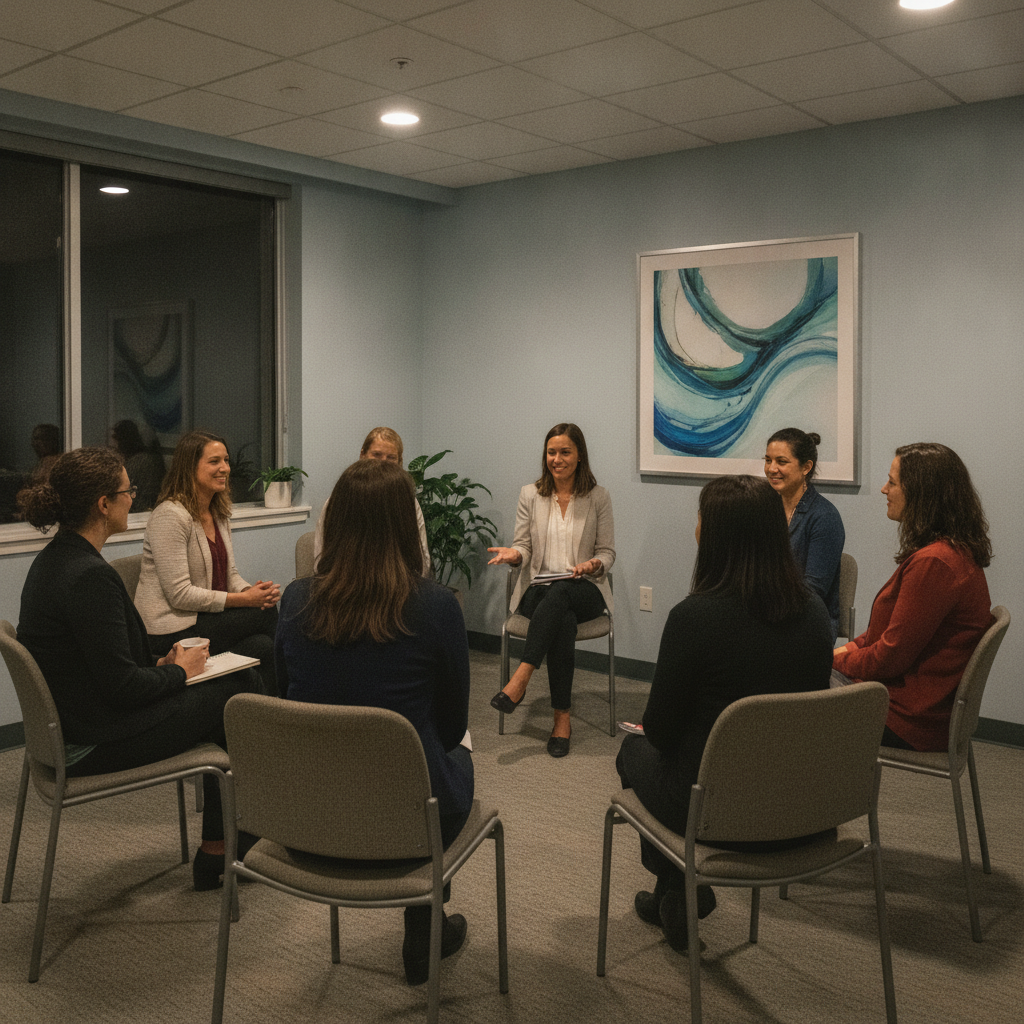
Ready to steady the first week? Start privately with our Ontario recovery programs guide or request an appointment through our secure intake portal.
How Road To Recovery’s Gambling Addiction Treatment Program Works
We build practical, personalized plans: immediate safeguards, weekly therapy, family support, and psychiatry coordination when needed. Reduced wait times help you act the same week you call. You can add alcohol, stimulant, nicotine, or opioid services without starting over.
What we prioritize:
- Personal fit: Plans match your triggers, schedule, and support system.
- Fast starts: Same‑day pathways into addictions support are available in many Ontario cities.
- Mental health integration: Local or virtual psychiatry via CAMH/OTN partners when anxiety, mood, or sleep fuel urges.
- Family tools: Clear boundary templates and check‑ins; Children’s Aid Services support if child safety is a concern.
- Community anchors: Connections to peer groups for between‑session accountability.
Details and next steps live on our Gambling Addiction Treatment Program page. If multiple issues overlap, our dual diagnosis guide explains how integrated plans line up sessions, skills, and safety steps.
Gambling Recovery and Co-Occurring Addictions — Why Integrated Care Matters
Gambling often rides with alcohol, stimulants, nicotine, or opioids. One coordinated plan reduces mixed messages, addresses sleep and stress, and aligns therapy with medical supports—so gains in one area don’t trigger slips in another.
Here’s how integration looks in practice:
- Alcohol services: Many patients drink to manage stress after losses. Our Alcohol Addiction Treatment Program adds therapy and medical options so evenings become safer.
- Stimulant support: Cocaine or other stimulants can fuel risk‑taking and long nights. We align counseling and skills training so downtime doesn’t push you back to the apps.
- Opioid care (OAT): Where opioid use is present, evidence‑based options—Methadone, Suboxone, Sublocade, Kadian—stabilize physiology, reduce chaos, and free up bandwidth for gambling work. See our substance treatment programs guide for how OAT fits.
- Smoking cessation: Cutting nicotine improves sleep and stress tolerance, which lowers urge intensity for many patients.
Our view: treating gambling in a silo is a recipe for frustration. The best outcomes come from addressing mood, sleep, and substance patterns alongside the betting behavior.
Finding Gambling Addiction Treatment Near You in Ontario
Choose outpatient care that installs safeguards in week one, coordinates psychiatry quickly, and offers integrated substance support. Road To Recovery serves Ontario communities with confidential, judgment‑free care so you can start close to home and keep daily life steady.
We support people across Ontario, including Toronto, Barrie, Brampton, Brantford, Hamilton, Newmarket, Orillia, and Sault Ste. Marie. Many patients prefer local sessions for routine and privacy, then add virtual check‑ins when travel is tough. For ongoing accountability, community options like SMART Recovery or Gamblers Anonymous strengthen therapy work.
Ontario-local tip for faster starts
Bring three things to your first visit: a short trigger list, one trusted contact, and your current medications. Psychiatry coordination can happen virtually through CAMH/OTN in many Ontario cities—keeping momentum without long travel or schedule gaps.
Local considerations for all over ontario
- Ask about CAMH/OTN virtual psychiatry if local appointments are packed—speed helps in early recovery.
- Plan ahead for seasonal spikes (holidays, playoffs). Schedule extra check‑ins and renew self‑exclusion before high‑risk dates.
- If child safety is a concern, request Children’s Aid Services support early to align boundaries and communication.
FAQ: Gambling Recovery Questions Answered
Most people start with a private assessment, install safeguards, and begin weekly therapy. Recovery timelines vary, but early structure and integrated mental health care consistently improve outcomes. Here are quick answers we cover in first visits.
What’s the first step if I think I have a gambling problem?
Book a confidential assessment. We’ll review patterns, triggers, and risks, then install week‑one safeguards (Ontario self‑exclusion, device blocking, spending limits, accountability). If anxiety, depression, or sleep issues are heavy, we coordinate psychiatry quickly through CAMH/OTN partners.
Do I have to join a peer group?
Groups like SMART Recovery or Gamblers Anonymous are optional but helpful. We use therapy to personalize skills and encourage groups for between‑session accountability. Many patients prefer both because urges tend to spike at night or on weekends—exactly when groups meet.
Can I recover if I also struggle with alcohol or opioids?
Yes. We build one coordinated plan that addresses gambling and substance risks together. Our network offers alcohol services and evidence‑based opioid care (Methadone, Suboxone, Sublocade, Kadian), which stabilizes physiology and supports therapy progress.
How long does recovery take?
It varies. Many notice fewer urges within weeks once safeguards and therapy start. Strong, lasting change builds over months as routines, peer support, and family boundaries take hold. We pace sessions to your life and adjust as stressors shift.
Key Takeaways
- Therapy plus practical controls beats willpower—install safeguards in week one.
- Quick psychiatry coordination helps when anxiety, mood, or sleep fuel urges.
- Integrated alcohol, stimulant, nicotine, or opioid care lowers relapse risk.
- Local, confidential outpatient care keeps routines stable while you recover.
- Road To Recovery offers same‑week starts in many Ontario communities.
Recent Post
-
 July 29, 2026
Addiction interventions: planning, models, and follow-through that support...
-
 July 28, 2026
Recovery from substance abuse: decisions, routines, and supports...
-
 July 27, 2026
Substance abuse and recovery: decisions, treatment options, and...
-
 July 27, 2026
Alcohol use help: practical steps to decide, plan,...

You are Valued
Road to Recovery is an outpatient opioid detoxification center, with locations across Ontario.
- Confidential care
- Same-day support
- Personalized treatment