
Recovery programs are structured medical and behavioral supports that help people stop harmful substance use and rebuild health. In all over ontario, Road To Recovery delivers outpatient options that combine medication, counseling, and mental health referrals. The goal is simple: stabilize withdrawal, reduce cravings, and strengthen daily routines so life gets better—starting day one.
By BRIAN TAYLOR • Last updated: June 29, 2026
At a Glance: Recovery Programs in 2026
Recovery programs use proven medical treatments, targeted counseling, and supportive follow-ups to help you regain stability and health. In all over ontario, Road To Recovery offers same-day opioid treatment starts, mental health referrals, and flexible visits so you can begin recovery quickly and keep momentum week after week.
This above-the-fold snapshot outlines what you can expect from modern, outpatient recovery. It includes fast-start intake steps, key program types, and planning guidance for you and your family.
- Start fast: Nurse triage and physician assessment on the same day for new opioid intakes.
- Medication-assisted care: Methadone, Suboxone, Sublocade, and Kadian options under one network.
- Whole-person support: Mental health and psychiatry referrals coordinated locally or virtually.
- Confidential and judgment-free: Personalized plans and discreet follow-ups.
- Designed for daily life: Outpatient visits that fit work, family, and transportation realities.
Table of contents
- What are recovery programs?
- Why recovery programs matter
- How recovery programs work
- Types of recovery programs (OAT, alcohol, gambling, smoking)
- Best practices that keep recovery moving
- Tools and resources
- Case studies and examples
- FAQ
- Conclusion and next steps
What Are Recovery Programs?
Recovery programs are structured pathways that combine medical treatment, counseling, and supportive check-ins to help you stop harmful use and stabilize health. They prioritize withdrawal management, craving control, mental well-being, and practical routines—so you can function, heal, and stay engaged in work, school, and family life.
At Road To Recovery, “program” means a coordinated set of services that work together, not a one-off appointment. You’ll see a nurse, meet a physician, and agree on a personalized plan that fits your goals and schedule.
- Medical stabilization: For opioid use disorder, Opioid Agonist Therapy (OAT) safely eases withdrawal and reduces cravings.
- Behavioral supports: Brief counseling, relapse-prevention skills, and family education woven into visits.
- Mental health care: Psychiatry referrals (local or virtual) help treat co-occurring depression, anxiety, or trauma.
- Flexible format: Outpatient care so you can keep responsibilities while you recover.
Recovery programs aren’t one-size-fits-all. Some patients start with daily dosing and frequent check-ins; others use monthly injections or structured weekly routines. The objective is steady improvement you can measure in days and weeks, not just intentions.
Why Recovery Programs Matter
Recovery programs matter because they improve safety, reduce relapse risk, and restore daily function. Consistent medication plus practical counseling translates into fewer withdrawal episodes, more stable sleep and mood, and higher follow-through on work, school, and family commitments.
Here’s the thing: momentum keeps people well. Frequent contact early on—often several touchpoints in the first two weeks—helps you stabilize sleep, appetite, and routines. That consistency is what lowers relapse risk and keeps cravings manageable over time.
- Stability first: Many patients notice improved sleep and fewer cravings within the first 3–7 days of OAT starts.
- Function returns: With cravings down, people re-engage with work and family responsibilities.
- Safety net: Regular urine drug screening, check-ins, and medication adjustments catch issues early.
- Family impact: Structured support and education help loved ones respond effectively during the first 30–90 days.
In our experience supporting patients across all over ontario, the combination of same-day starts and coordinated mental health referrals is a turning point. Quick wins in the first week lead to adherence in weeks two and three, which is when progress compounds.
How Recovery Programs Work
Recovery programs follow a simple flow: fast intake, medical stabilization, behavioral supports, and steady follow-ups. At Road To Recovery, new opioid intakes see a nurse and then a physician the same day, choose a medication plan, and set weekly goals that are reviewed and refined over the next 2–4 weeks.
Here’s the step-by-step process we use for outpatient recovery programs, including opioid treatment:
- Intake (Day 0): Secure registration, nurse triage, and physician assessment. Goals are captured in plain language you approve.
- Induction (Days 1–3): Start medication (for OAT, Methadone or Suboxone are common) with clear dosing and safety guidance.
- Stabilization (Days 4–14): Dose is adjusted to reduce withdrawal and cravings; brief counseling starts.
- Early maintenance (Weeks 2–6): Follow-ups taper from several touchpoints to a predictable weekly rhythm.
- Ongoing maintenance (Months 2–6+): Care shifts toward relapse prevention, mental health, and rebuilding routines.
For opioid use disorder, understanding OAT is key. See our opioid agonist therapy overview for foundations and safety essentials. If Methadone is right for you, you can start methadone care at select clinics with minimal delay.
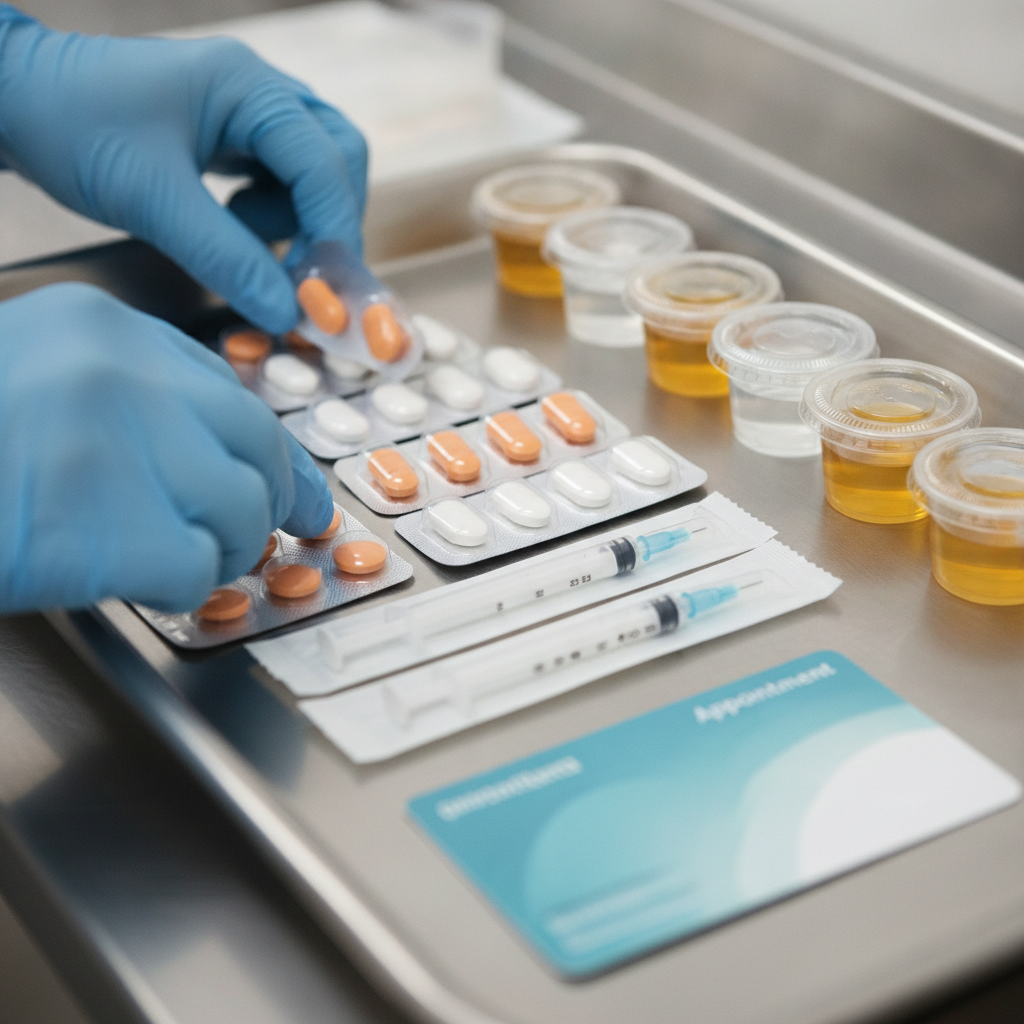
Local considerations for all over ontario
- Transit-friendly scheduling: Book visits around peak travel times and arrange pharmacy pickup close to your daily route.
- Seasonal planning: Winter weather can disrupt routines; set a backup dosing plan and virtual check-ins in advance.
- Work and family rhythm: Coordinate weekly follow-ups during consistent windows (e.g., lunch hour) to keep adherence high.
Many patients stabilize within the first 7–14 days of consistent dosing and contact. That early stability allows you to widen focus to sleep, nutrition, and movement—three levers that support long-term health.
Types of Recovery Programs (Methods and Approaches)
Recovery programs span medication-assisted treatment for opioid use disorder, structured care for alcohol and cocaine, gambling recovery supports, smoking cessation, and mental health referrals. Road To Recovery offers all core opioid options—Methadone, Suboxone, Sublocade, and Kadian—plus integrated counseling and psychiatry pathways.
Below are the most common program types you’ll see at Road To Recovery. Each can be combined with mental health support and family resources.
Opioid Agonist Therapy (OAT)
- Methadone Program: Long-acting oral medication that eases withdrawal and reduces cravings with once-daily dosing.
- Suboxone® Program: Buprenorphine/naloxone therapy with flexible induction and a strong safety profile for home-based stabilization.
- Sublocade®: Monthly buprenorphine injection that removes daily dosing decisions and supports adherence.
- Kadian® Program: Extended-release morphine option for select patients within OAT frameworks.
To compare core OAT options at a glance, use this quick-reference table.
| Option | Dosing rhythm | Best for | Key considerations |
|---|---|---|---|
| Methadone | Once daily | Severe withdrawal/cravings, structured routine | Start low, titrate over 3–7 days; pharmacy coordination is essential |
| Suboxone | Daily, then tapered | Home induction candidates, safety-focused | Requires mild withdrawal at start for effective induction |
| Sublocade | Monthly injection | Adherence support, less daily decision-making | Typically after initial buprenorphine stabilization |
| Kadian | Extended-release | Specialized OAT cases | Careful monitoring and clinical fit assessment |
Explore our Suboxone program details and the broader OAT overview to see which pathway fits your goals and medical history.
Alcohol, Cocaine, Gambling, and Smoking Programs
- Alcohol addiction treatment: Outpatient care, counseling, and medical monitoring, with psychiatry referrals as needed.
- Cocaine addiction treatment: Behavioral strategies, triggers planning, and mental health coordination.
- Gambling addiction treatment: Relapse-prevention skills, financial boundaries, and supportive check-ins.
- Smoking cessation program: Structured quit plans, behavioral coaching, and medication options when clinically indicated.
For patients who would benefit from a quick-start environment, Rapid Access models (brief assessment, fast linkage) are often layered into the first 7–14 days to maintain momentum and continuity.
Ready to start today? Our clinics provide discreet, same-day intake for new opioid treatment starts and coordinated mental health referrals. Learn how intake works in our substance treatment programs guide or visit a location for walk-in methadone support.
Best Practices That Keep Recovery Moving
The best recovery programs emphasize early wins, simple routines, and steady contact. Pair medication with brief counseling, set 1–3 weekly goals, and schedule predictable check-ins. Small, consistent steps over the first 30–90 days create the stability people need to stay well.
Build simple, repeatable routines
- One calendar: Put dosing, visits, and sleep targets in a single calendar—paper or digital—so plans are visible daily.
- Same-day slots: Attend follow-ups on the same weekday for the first 4–6 weeks to reduce decision fatigue.
- Pharmacy plan: Coordinate pickups during your normal commute to lock in consistency.
Track what matters (briefly)
- 3-minute check-ins: Note sleep hours, cravings (0–10), and stress triggers daily for the first two weeks.
- Weekly review: With your clinician, use those quick notes to adjust medication or coping strategies.
- Relapse plan: Keep a written 3-step response for slips: call, visit, adjust—then return to routine.
Include mental health early
- Referral alignment: If depression or anxiety symptoms persist beyond two weeks, request a psychiatry referral.
- Skill stacking: Add 10–15 minutes of coping practice (breathing, grounding, or brief journaling) after dosing.
- Sleep first: Protect a non-negotiable 7–8 hour sleep window; it stabilizes mood and reduces cravings.
We’ve found that patients who keep routines simple and visible in weeks 1–4 transition more smoothly into months 2–3, when long-term habits take shape. That’s when confidence grows and lapses become easier to manage.
Tools and Resources
Use a single calendar, brief daily trackers, and reliable community references to support momentum. Pair these with Road To Recovery’s program pages and guides so you always know the next step and who to contact for support.
Helpful internal resources to keep handy as you plan your next step:
- Foundational concepts in our Opioid Agonist Therapy overview.
- When you’re ready, start methadone care with minimal wait times.
- Compare pathways in our recovery and treatment guide.
- See program options in the substance treatment programs guide.
- Prefer a walk-in start? Visit walk-in methadone support.
For broader perspectives on structured recovery and behavior change outside addiction medicine, you may find these references useful:
- Principles of graded progression in persistent pain care from this persistent pain program.
- Stepwise rehabilitation concepts explained in this injury recovery guide.
- Coaching frameworks for mental health described in this recovery coaching article.
Keep these tools light-touch. A single page for goals, one calendar, and quick notes after dosing are usually more than enough to steer the week.

Case Studies and Practical Examples
Small, repeatable actions drive big outcomes. These brief case snapshots show how same-day starts, simple routines, and mental health referrals translate into steadier sleep, fewer cravings, and stronger follow-through across all over ontario.
Case 1: Same-day start, early stabilization
A new patient arrived for intake before lunch, met with a nurse, then a physician that afternoon, and began OAT the same day. Within 72 hours, sleep improved from 4–5 hours to 6–7 hours nightly and cravings dropped from “intense” to “manageable.” Weekly visits for four weeks helped lock in the routine.
Case 2: Monthly injection for adherence
After initial buprenorphine stabilization, a patient shifted to monthly injections to remove daily dosing decisions. With fewer on-the-spot choices, adherence strengthened. By week six, the patient reported more stable mornings and consistent attendance at brief counseling sessions.
Case 3: Adding mental health support
During week two, lingering anxiety and sleep disruption led to a psychiatry referral. With targeted therapy and a refined sleep routine, stress triggers eased. Over the next 30–60 days, the patient built a predictable schedule that fit work and family demands across all over ontario.
Frequently Asked Questions
People ask about timelines, combining therapy with medication, and what to do if they slip. These concise answers cover the most common concerns so you can act confidently today and keep momentum tomorrow.
How fast can I start an opioid recovery program?
At Road To Recovery, new opioid intakes are seen by a nurse and then a physician on the same day they start. That means you can begin medication and set first-week goals immediately, with stabilization typically reviewed over the next 7–14 days.
Do I need counseling if I’m on Methadone or Suboxone?
Yes—brief, practical counseling pairs well with medication. Skills like trigger mapping, boundary setting, and sleep routines reduce relapse risk. Many patients use short, focused sessions during the first month and taper as routines stabilize.
What if I miss a dose or have a slip?
Contact the clinic right away. We’ll review safety, adjust the plan if needed, and help you return to your routine. A written three-step response—call, visit, adjust—makes it easier to act quickly and confidently.
Can I keep working while in a recovery program?
Yes. Our outpatient model is designed for real life. Visits are scheduled around your work and family responsibilities, and pharmacy coordination keeps pickups efficient so you can maintain employment while you recover.
Conclusion and Next Steps
Recovery programs work best when they start quickly and stay simple. Begin with medical stabilization, add brief counseling, and protect a predictable routine. With same-day starts across all over ontario, Road To Recovery helps you build momentum that lasts.
Key takeaways
- Fast starts and steady contact in weeks 1–2 create crucial momentum.
- Medication plus brief counseling improves sleep, reduces cravings, and supports work and family life.
- Simple routines—one calendar, planned pickups—outperform complicated plans.
- Mental health referrals accelerate stabilization when anxiety or depression persists.
Next step: Explore our OAT overview or start methadone care today. Prefer to browse first? Read our recovery support guide, then book your first visit in all over ontario.





You are Valued
Road to Recovery is an outpatient opioid detoxification center, with locations across Ontario.
- Confidential care
- Same-day support
- Personalized treatment