
An online Suboxone program is a medically supervised, telemedicine-based approach to treating opioid use disorder from home. It combines virtual visits, e-prescriptions to your local pharmacy, routine monitoring, and counseling. For people across all over ontario, Road To Recovery coordinates same-day intake and ongoing care so you can start safely and stay supported without long clinic waits.
By BRIAN TAYLOR · Last updated: 2026-05-08
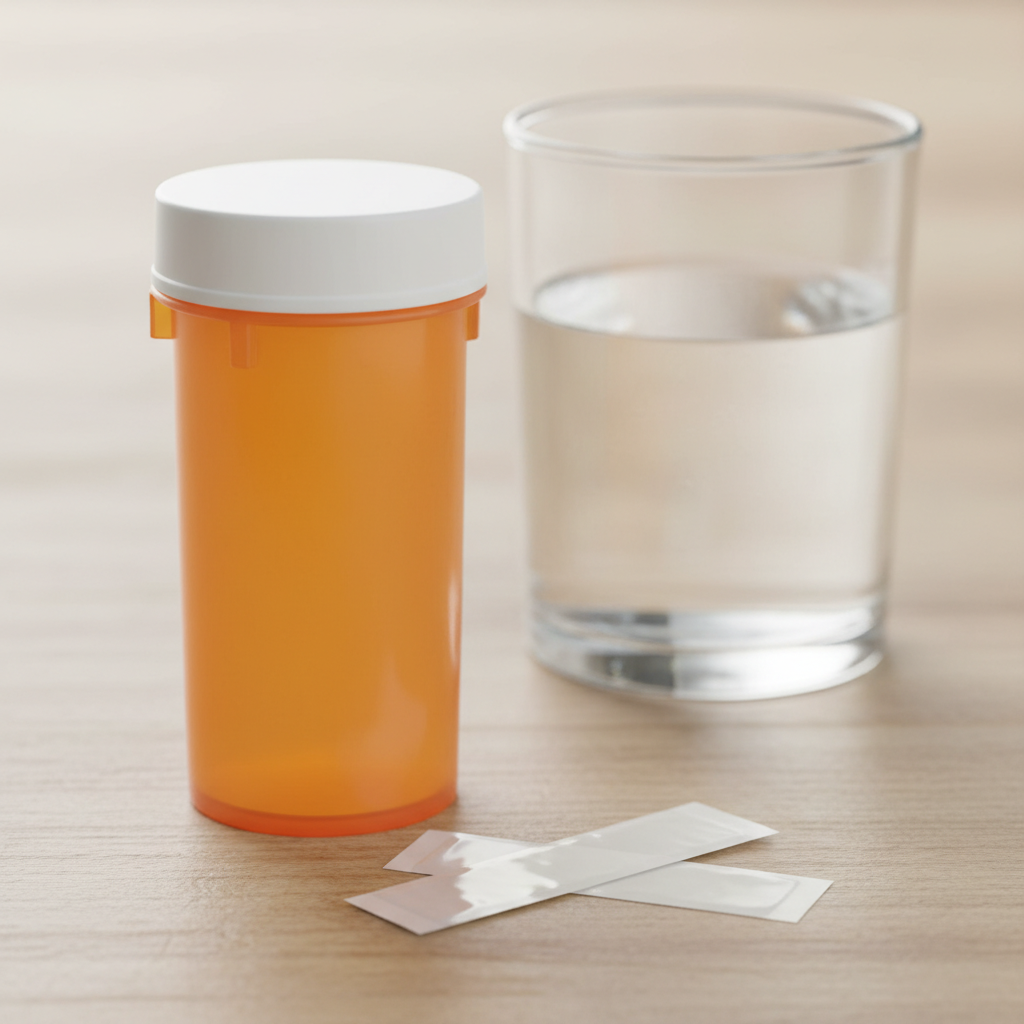
Overview and why this guide matters
This complete guide explains what online Suboxone care is, who it helps, and how to start step by step. You’ll learn eligibility basics, induction and maintenance workflows, safety tips, and how Road To Recovery supports people across Ontario with same-day intake, pharmacy coordination, and judgment-free, confidential care.
Online care removes friction. No commute. Less schedule juggling. Faster access to medication-assisted treatment. In our experience supporting patients province-wide, these simple advantages often determine whether someone starts recovery this week—or puts it off.
- Clear definitions you can quote and share
- Actionable steps for getting started today
- Real-world examples from Road To Recovery’s Ontario clinics
- Safety practices for induction, stabilization, and maintenance
- How telemedicine works with labs, pharmacies, and counseling
What is an online Suboxone program?
An online Suboxone program delivers opioid use disorder treatment through secure video or phone visits, paired with e-prescriptions to a nearby pharmacy. Care includes medical evaluation, buprenorphine-naloxone induction, ongoing monitoring, and counseling, all coordinated virtually with in-clinic support as needed.
Suboxone (buprenorphine-naloxone) is a partial opioid agonist and antagonist combination used to reduce cravings and withdrawal while blocking euphoric effects from full opioids. In an online model, clinicians assess readiness, prescribe safely, and check in frequently—especially during the first several days of induction.
Road To Recovery provides multiple evidence-based options—Suboxone, Methadone, Sublocade, and Kadian—under one clinical network. That matters if you need to adjust over time. If buprenorphine films aren’t the best fit, coordinated transitions can be made quickly without restarting your recovery journey.
For a deeper dive into our Suboxone approach, see our Suboxone Program overview. If you’re comparing options, our teams also support Methadone care across Ontario and monthly injections through Sublocade clinics in Ontario.
Why online Suboxone care matters now
Online Suboxone care reduces barriers that delay treatment—transportation, work hours, childcare, stigma, and clinic wait times. When people can start quickly from home, they’re more likely to begin, stabilize, and keep momentum in recovery—especially during the first critical days.
Here’s the thing: speed and support save energy you need for recovery. Road To Recovery’s same-day intake flow (nurse assessment followed by physician review) helps patients begin treatment rapidly. That immediacy—paired with judgment-free, confidential care—turns intention into action.
- Accessibility: Start from home with secure telemedicine instead of traveling.
- Consistency: Keep routine check-ins even during busy workweeks.
- Privacy: Meet in a confidential setting that fits your life.
- Continuity: Seamless transitions between Suboxone, Methadone, Sublocade, or Kadian if clinically indicated.
People ask, “Will virtual care be enough?” Our hybrid model answers that directly: online where it helps most, in-clinic when it adds safety, comfort, or speed. You don’t have to choose one or the other.
How an online Suboxone program works
Online Suboxone programs follow a clear flow: intake and eligibility screening, medical assessment, at-home induction with close follow-up, stabilization with scheduled virtual visits, and maintenance supported by labs, pharmacy, and counseling. In-clinic visits remain available anytime.
Step-by-step intake and induction
- Secure intake: Submit your information through our online portal. A nurse reviews your history and current symptoms the same day.
- Clinical assessment: A physician confirms diagnosis, checks medications, and plans induction timing to reduce precipitated withdrawal risk.
- At-home induction: Start with a low dose while in mild-to-moderate withdrawal, then follow a guided schedule. Expect virtual check-ins during the first 24–72 hours.
- Stabilization: Dose is adjusted to relieve withdrawal and cravings without sedation.
- Maintenance: Routine virtual visits, periodic labs, and counseling support long-term recovery.
Many patients complete their first week with two to three touchpoints and then move to weekly or biweekly check-ins. This cadence balances safety and flexibility.
Monitoring, labs, and pharmacy coordination
- Urine drug screens: Conducted in-clinic or via coordinated labs to support safety and accountability.
- Pharmacy partnership: E-prescriptions are sent to your local pharmacy; pharmacists can answer medication questions and flag interactions.
- Medical reviews: Telemedicine visits monitor symptoms, side effects, and progress; in-person exams are available if needed.
- Counseling & resources: Integrated referrals to mental health supports and family resources keep care whole-person.
To see how online care compares to in-person models, visit our Online Suboxone options guide. For broader pathways, explore recovery options for opioid use disorder.

Eligibility and readiness checklist
You may be eligible for online Suboxone if you have opioid use disorder, can attend virtual visits, and have access to a private space and a local pharmacy. Clinicians screen for medical stability, medications, and safety concerns before starting at-home induction.
Use this quick readiness list to decide if online care fits your life right now:
- Diagnosis or strong suspicion of opioid use disorder
- Ability to use a smartphone or computer for secure video calls
- Private environment for 20–30 minute appointments
- Reliable phone or internet, plus access to a local pharmacy
- Willingness to follow an induction plan and attend check-ins
- No urgent medical red flags that require hospital-based care
If you’re not sure where to start, our teams help you decide between Suboxone, Methadone, monthly buprenorphine injections (Sublocade), or slow-release oral morphine (Kadian) based on your goals and medical history.
Online vs in-clinic: what to expect
Online care prioritizes convenience and rapid access; in-clinic care adds hands-on exams and same-day labs. A hybrid approach—virtual visits with in-person support when helpful—often delivers the best balance of safety, speed, and comfort.
Both models can be effective. The key is matching the setting to your needs each week. Here’s a side-by-side view:
| Aspect | Online Suboxone | In-Clinic Suboxone |
|---|---|---|
| Access | Start from home; flexible scheduling | Visit a clinic; fixed appointment slots |
| Safety checks | Virtual assessments; labs coordinated | Face-to-face exams; on-site screening |
| Monitoring | Frequent early check-ins by video/phone | In-person follow-ups and vitals |
| Privacy | Confidential home setting | Private clinic rooms |
| When ideal | Transportation, work, or childcare barriers | Complex medical needs or new concerns |
Prefer a monthly injection instead of daily films? Learn how long-acting delivery differs from oral dosing in this overview of injectable vs. oral drug delivery. For Ontario patients, our Sublocade clinics provide monthly buprenorphine treatment with coordinated follow-up.
Types of support in an online program
Comprehensive online Suboxone care includes medical visits, e-prescribing, routine monitoring, mental health referrals, family resources, and options to transition to Methadone, Sublocade, or Kadian if needed. You’re not locked into one pathway.
Clinical and medication support
- Telemedicine visits for induction, stabilization, and maintenance
- E-prescriptions to your preferred local pharmacy
- Medication adjustments based on symptoms and goals
- Hybrid flexibility: video care with in-clinic visits available anytime
Mental health, family, and social supports
- Referrals to psychiatry partners and community mental health services
- Family education and resources to strengthen home supports
- Guidance for navigating work, school, or legal obligations
Curious about the evidence base? Our internal guide on buprenorphine’s long-term effectiveness explains typical stabilization patterns and what sustained recovery can look like over time.
Best practices for patients and families
Set up a calm space for virtual visits, follow your induction plan closely, keep naloxone available, and enlist one trusted support person. Consistency—attending every check-in and picking up meds on time—makes stabilization faster and more comfortable.
- Prepare your space: Quiet room, charged phone, and a glass of water during induction.
- Follow the plan: Use your clinician’s dosing schedule; avoid other sedatives unless approved.
- Safety first: Keep naloxone on hand and store medications securely.
- Engage supports: Ask a trusted person to check in during your first few days.
- Show up: Attend all appointments and pharmacy pickups, especially in weeks 1–2.
Families often ask how to help. Two small actions—encouraging rest the first night of induction and celebrating small wins—go a long way. Recovery is a series of steady steps, not a single leap.
Tools and resources for telemedicine care
Successful online care relies on secure video platforms, local pharmacies, lab partnerships, and practical education materials. Understanding oral versus long-acting delivery options helps tailor a plan you can stick with.
- Technology: Private video visits and secure messaging keep communication clear.
- Pharmacies: Medication questions, refill timing, and interaction checks.
- Labs: Routine monitoring coordinated to support safety and progress.
- Education: Explore long-acting delivery technologies to compare options with your clinician.
For people aiming to stop alcohol as part of a broader wellness plan, integrating Suboxone care with our alcohol support resources can improve overall stability. When you’re ready, our substance treatment programs guide maps multiple pathways in one place.

Case examples from Ontario care
Online Suboxone works best when it adapts to real life. These brief, anonymized scenarios show how hybrid care helps people stabilize—balancing virtual visits with in-clinic support and pharmacy coordination across Ontario.
- A commuter parent: Inducted on a Sunday evening with two virtual check-ins by Tuesday; switched one visit to in-clinic for vitals; stabilized by week two with predictable sleep and appetite.
- A student on placements: Began via telemedicine between shifts; pharmacist flagged a potential interaction, clinician adjusted dose; moved to biweekly virtual follow-ups after week three.
- A person returning to care: Prior Methadone patient transitioned to buprenorphine films; after four steady weeks, opted for monthly injection at a Sublocade clinic to simplify adherence.
These patterns are common in our clinics across the province: start where you are, then refine the plan as your routines settle and confidence grows.
Safety considerations and clinical pearls
Plan induction to avoid precipitated withdrawal, secure medications, avoid mixing sedatives unless approved, and keep naloxone nearby. Use frequent early check-ins, then taper visit frequency as you stabilize. Hybrid care adds in-person assessments when needed.
- Induction timing: Begin when in mild-to-moderate withdrawal as directed by your clinician.
- Medication safety: Store films securely; never share medication.
- Drug interactions: Report all prescriptions and supplements to your clinician and pharmacist.
- Overdose prevention: Keep naloxone available; teach household members how to use it.
- Escalation plans: If symptoms worsen or feel unsafe, shift to an in-clinic or urgent evaluation.
Interested in formulation science? This primer on drug delivery FAQs outlines how different dosage forms are designed to release medication over time—useful context when comparing films, tablets, and monthly injections.
How to get started today
Start by completing a secure intake. We’ll review your history the same day, arrange a physician assessment, and plan a safe at-home induction with close follow-up. Pharmacies, labs, and counseling are coordinated for you.
- Complete intake: Share your history and availability through our secure portal.
- Meet your team: A nurse screens and a physician confirms your plan—often the same day.
- Prepare your space: Quiet room, device charger, and water; arrange a check-in from a trusted person.
- Induct safely: Follow your dosing schedule; expect two to three touchpoints in the first 72 hours.
- Stabilize and maintain: Keep appointments, refill on time, and review goals monthly.
Want a quick comparison of pathways before you choose? Review our recovery options overview or read practical FAQs in our Ontario Methadone guide for contrasts between buprenorphine and Methadone care.
Local considerations for all over ontario
- Winter travel can be unpredictable. Online visits help you stay consistent when weather complicates in-clinic appointments.
- Holidays and school breaks shift routines. Book virtual check-ins early to keep your schedule steady.
- Pharmacies vary in stock. If your local pharmacy is out of films, we’ll coordinate a nearby alternative the same day.
Thinking about starting? Our team supports confidential, judgment-free care across Ontario. Explore online Suboxone options or message us to begin a same-day intake.
Frequently Asked Questions
These quick answers address the most common questions about starting and maintaining care in an online Suboxone program. Each response is concise and designed for voice assistants and fast scanning.
How fast can I start an online Suboxone program?
With Road To Recovery, new patient intakes for opioid addiction treatment are reviewed by a nurse and then a physician the same day they start. Many patients complete assessment and plan induction within 24–48 hours, with close virtual follow-up in the first 72 hours.
Do I have to come to a clinic for labs or urine tests?
It depends on your plan. Many tests can be coordinated through nearby labs, while some visits are best done in person. Our hybrid model lets you complete most check-ins online and come in only when clinically helpful for safety or convenience.
Can I switch from Suboxone films to monthly injections later?
Yes. If daily dosing is hard to maintain, clinicians can transition you to a long-acting buprenorphine injection at a Sublocade clinic. We coordinate timing, dosing, and follow-up so your recovery stays on track without restarting.
What if I’m also trying to stop alcohol while starting Suboxone?
Tell your clinician so we can align supports. Combining online Suboxone care with alcohol-focused resources improves stability. We’ll coordinate counseling, monitoring, and referrals so both goals reinforce each other safely.
Key takeaways and next steps
Start where you are. Online Suboxone care helps you begin quickly and safely from home, then blend in-clinic support as needed. Consistency with visits, refills, and counseling fuels stabilization and long-term recovery.
- Online Suboxone care reduces delays and fits complex schedules.
- Hybrid support adds in-person visits whenever they help.
- Road To Recovery offers Suboxone, Methadone, Sublocade, and Kadian under one network.
- Same-day intake and confidential, judgment-free care keep momentum strong.
Ready to take the first step? Explore your recovery options or review our Suboxone Program. We’re here to help across Ontario—online and in person.



You are Valued
Road to Recovery is an outpatient opioid detoxification center, with locations across Ontario.
- Confidential care
- Same-day support
- Personalized treatment