
Substance abuse and treatment refers to recognizing a harmful relationship with alcohol, drugs, or behaviors and using proven medical and therapeutic care to restore health. Effective care combines medications, counseling, and ongoing support. In clinics all over ontario, Road To Recovery delivers confidential, outpatient help so you can start safely and keep moving forward.
By Road To Recovery • Last updated: May 25, 2026
Overview: your roadmap to real recovery
This guide explains what substance abuse and treatment means, why timely help matters, how outpatient care works, and which evidence-based options fit different needs. You’ll see step-by-step intake, proven medications, therapy supports, and practical tools families can use today.
Use this page as a practical playbook. It’s written for patients, families, and referrers who want clear steps, fast access, and judgment-free care.
- What substance use disorder is—and isn’t
- How outpatient programs reduce risk and improve stability
- Medication options (Methadone, Suboxone, Sublocade, Kadian)
- Alcohol, cocaine, gambling, and smoking cessation supports
- Same-day intake flow, safety checks, and follow-up rhythm
- Family resources, mental health referrals, and recovery tools
At a glance
- Setting: Confidential, outpatient clinics all over ontario
- Focus: Medication-assisted treatment plus counseling and supports
- Access: Same-day nurse triage and physician assessment for new OAT intakes
- Support: Local or virtual psychiatry referrals coordinated through partners
Local considerations for all over ontario
- Plan transportation for regular clinic visits; public transit and rideshare windows vary by city across the region, so schedule meds and counseling when travel is easiest for you.
- Build flexibility around winter weather and holiday periods; talk to your care team about dose pick-up schedules and virtual check-ins to avoid care gaps.
- Leverage local mental health resources; our team coordinates psychiatry referrals and community supports so your plan fits where you live and work.
What is substance abuse and treatment?
Substance abuse and treatment covers identifying risky or dependent use of alcohol, drugs, or behaviors and applying evidence-based medical care plus counseling to restore health. Treatment blends medications, therapy, recovery coaching, and family support to reduce harm, prevent relapse, and rebuild day-to-day stability.
Substance use disorder (SUD) is a medical condition that affects brain, body, and behavior. It isn’t a moral failure. Treatment works because it targets biology and environment together—medications calm withdrawal and cravings while therapy rebuilds coping skills and support systems.
- Medical foundation: Stabilize physiology, reduce cravings, and manage withdrawal safely.
- Therapeutic supports: Build skills to handle stressors, triggers, and relationships.
- Social recovery: Improve housing, work/school routines, and daily structure.
- Safety first: Screen for overdose risk, alcohol withdrawal risks, and co-occurring conditions.
For a deeper orientation to programs and language used in this guide, see our plain-language substance treatment programs overview.
Why getting help now matters
Early treatment lowers health risks, stabilizes daily routines, and improves long-term outcomes. Starting care quickly reduces the chances of overdose, medical complications, legal stress, and family conflict—and it makes every next step easier.
Waiting rarely helps. Cravings, tolerance, and life pressures tend to escalate without structure. When care starts, we see sleep, appetite, and mood improve first; then energy returns for work, parenting, and relationships.
- Risk reduction: Medication-assisted treatment (MAT) reduces withdrawal and craving intensity so you can think clearly.
- Stability: Regular check-ins create a routine that counters chaos and isolation.
- Momentum: Wins compound—one steady week becomes two, then a month, then more.
Want a structured starting point? Our recovery and treatment guide outlines the first month step by step.
How treatment works at Road To Recovery
We deliver outpatient care designed for speed, safety, and privacy: same-day intake for new opioid agonist therapy, nurse triage, physician assessment, evidence-based medication, counseling options, and coordinated psychiatry referrals as needed.
Here’s what typically happens when you reach out for help with opioids, alcohol, or other concerns across clinics all over ontario.
Same-day intake flow (opioid care)
- Secure intake: Submit your details via our online portal or call a clinic.
- Nurse triage: Brief history, safety screen, and withdrawal/craving check.
- Physician assessment: Confirm diagnosis, discuss options like Methadone, Suboxone, Sublocade, or Kadian.
- Start medication: Begin an agreed evidence-based plan; review what to expect in the first 72 hours.
- Follow-up rhythm: Early, frequent visits taper to a steady cadence as stability grows.
Process snapshot
| Phase | What we do | Why it matters | Helpful link |
|---|---|---|---|
| Intake | History, goals, safety checks | Aligns care to your reality | personalized treatment plan |
| Medication start | Begin OAT or alcohol plan | Stabilizes withdrawal and cravings | MAT benefits explained |
| Therapy & supports | CBT, groups, family coaching | Builds coping, connection | community supports |
| Psychiatry referral | Local or virtual consults | Treats mood, anxiety, trauma | dual-diagnosis care |
Starting with OAT? Review our methadone care in Ontario page to understand practical clinic rhythms and expectations.
Treatment methods and approaches
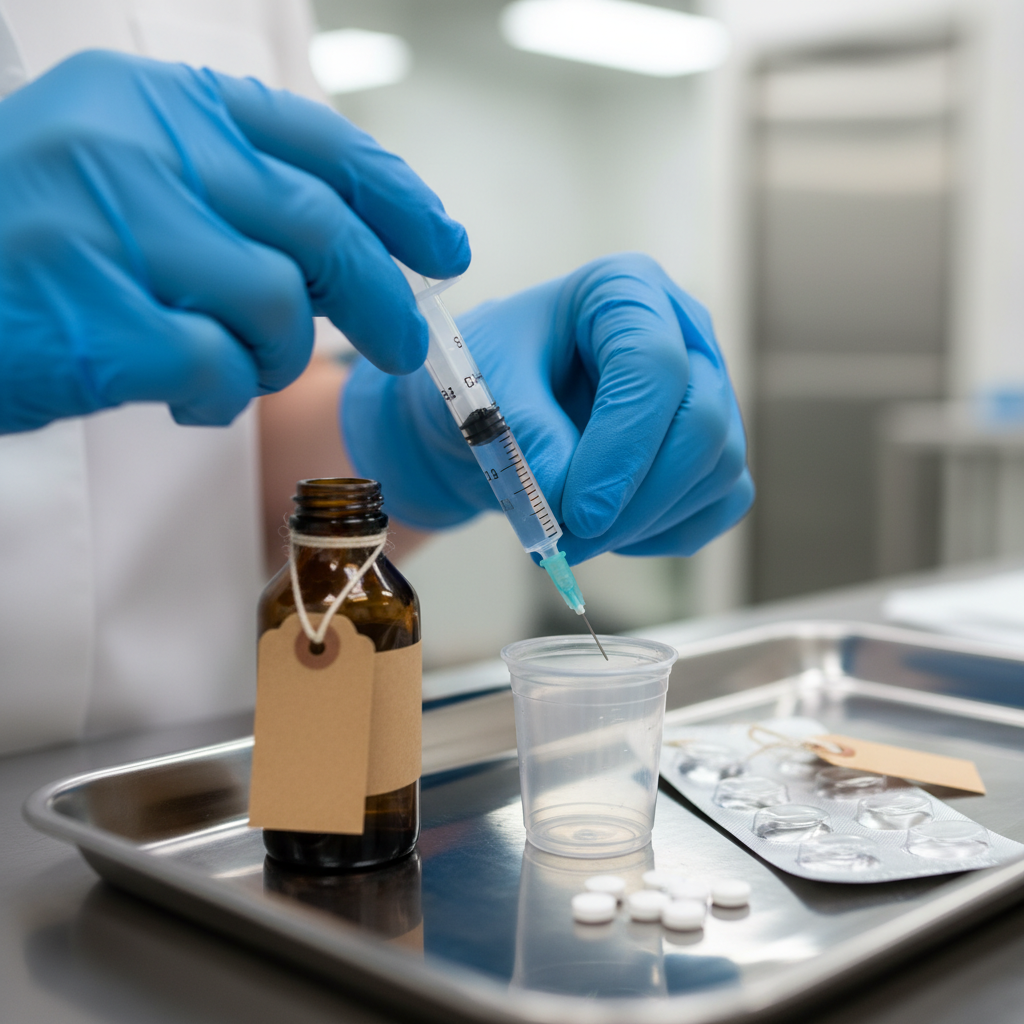
Effective treatment blends medication, counseling, and supports. For opioids, options include Methadone, Suboxone, Sublocade, and Kadian. For alcohol, structured withdrawal management and relapse-prevention strategies pair with therapy. Recovery plans are individualized and adjusted over time.
Opioid agonist therapy (OAT) options
| Medication | Format | Best for | Notes |
|---|---|---|---|
| Methadone | Daily oral solution | Those needing steady receptor coverage | Clinic-based start; monitored titration |
| Suboxone | Sublingual film/tablet | People who prefer partial-agonist profile | Ceiling effect may reduce overdose risk |
| Sublocade | Monthly injection | Those wanting fewer daily decisions | Steady levels help with adherence |
| Kadian | Extended-release capsule | Select cases needing long-acting support | Used within structured, supervised care |
For a plain-English explainer of medication benefits and trade-offs, visit our MAT benefits page.
Alcohol, cocaine, gambling, and smoking programs
- Alcohol: Focus on safety, withdrawal management, relapse-prevention meds where appropriate, and therapy to rebuild routines. See our alcohol treatment overview.
- Cocaine: Behavioral strategies, craving management skills, and structured check-ins.
- Gambling: Financial safeguards, trigger control, and family coaching to rebuild trust.
- Smoking cessation: Nicotine replacement or non-nicotine medications with habit-change coaching.
Curious how this all fits together? Our personalized treatment planning page shows how goals become week-by-week actions.

Best practices for lasting recovery
The best recovery plans are simple, consistent, and adaptable. Anchor medications and appointments, stack small habits, plan for triggers, involve supportive people, and use clear relapse-prevention steps that you can practice before you need them.
Daily anchors
- Protect dose and appointment times like you would any critical commitment.
- Pair medication with an existing habit (breakfast, morning walk) to build consistency.
Trigger planning
- List top three triggers. Match each with a concrete action (call, walk, journal, meeting).
- Practice the actions while calm so they feel automatic under stress.
Support network
- Identify two people you can contact quickly—save their numbers and discuss expectations.
- Consider family sessions to reduce misunderstandings and set shared boundaries.
Need a structured template? The habit and support checklists inside our step-by-step recovery guide make this easy to track.
Tools and resources for patients and families
Use simple tools that reduce friction: a one-page crisis plan, contact cards, medication reminders, and a calendar for appointments. Pair clinic resources with credible health education and local supports so you’re never guessing.
Practical tools you can use today
- One-page crisis plan: Signs, steps, contacts. Keep it on your phone and with a loved one.
- Appointment calendar: Sync clinic visits, therapy, and pharmacy hours.
- Medication reminders: Set recurring alarms tied to your routine.
- Family handout: What to say, what to avoid, and how to help during cravings.
Helpful reading and support
For background on alcohol risks and warning signs, see this overview of alcohol misuse. For urgent safety education, review these signs of alcohol poisoning.
If physical injury recovery intersects with your plan, this plain-language rehab guide can help you coordinate routines while you stabilize substance use.
When you’re ready to act, our team will coordinate local and virtual referrals and community supports; start with the community care guide and ask about psychiatry consults if mood or anxiety symptoms complicate recovery.
Case studies: Ontario patients’ paths to recovery
Every recovery looks different, but patterns repeat: start fast, stabilize cravings, add skills, and build a routine. These brief, anonymized Ontario stories show how outpatient care meets people where they are and adapts as stability grows.
“Back to mornings” – outpatient OAT
After years of inconsistent use, a patient started Methadone with same-day intake, then moved to a steadier schedule. Cravings eased within the first week. Adding brief CBT sessions and a morning walk habit stabilized sleep and energy for work.
“We talk again” – alcohol support plus family coaching
Another patient used a structured alcohol plan with regular clinic check-ins and a family handout. Weekly conversations reduced conflict and confusion. Over time, the household built a shared routine for evenings and weekends that supported relapse prevention.
“Fewer decisions” – injection-based adherence
A patient who struggled with daily dosing moved to a monthly injection option. With fewer day-to-day decisions, they focused sessions on stress management and job search steps. The combination increased confidence and consistency.
Explore more practical examples throughout our Hamilton-focused guidance and province-wide community supports resource.
Ready to start? A soft nudge to act today
If you’re thinking about change, that’s your opening. Message us, complete a secure intake, and meet a nurse and physician the same day for opioid care. We’ll keep it confidential, respectful, and practical.
Start with one step: reach out, tell us what’s hardest right now, and we’ll tailor the next 24–72 hours so momentum feels doable.
Prefer reading first? Our programs overview and recovery guide are designed to be actionable.
FAQ: substance abuse and treatment
People ask about timelines, medications, confidentiality, and how family can help. These short answers cover the basics so you can make informed choices today.
How fast can I start opioid treatment?
For new OAT intakes, we offer same-day nurse triage and physician assessment at clinics all over ontario. You’ll review options like Methadone, Suboxone, Sublocade, or Kadian and begin a plan that matches your history and goals.
Is treatment confidential?
Yes. Care is delivered in a judgment-free, confidential setting. We discuss consent before contacting any supports and coordinate referrals discreetly, including virtual psychiatry when preferred.
Do I have to choose medication or therapy?
Most people benefit from both. Medication reduces withdrawal and cravings so you can fully participate in counseling and routines. We adjust the mix over time—simple, consistent steps work best.
How can my family help without making things worse?
Agree on simple, clear steps: what to say during cravings, who to call in crisis, and how to protect routines. We provide handouts and can schedule family sessions to set expectations and boundaries.
What if I have depression or anxiety too?
We screen for co-occurring conditions and coordinate psychiatry referrals when helpful. Treating mood and anxiety alongside substance use leads to steadier progress and fewer setbacks.
Conclusion and next steps
Recovery accelerates when the first steps are simple and fast. Use a same-day intake, anchor one daily habit, and add supports you can maintain. The goal is stability you can feel—then build on.
Key takeaways
- Treatment works best when medical, therapeutic, and social supports align.
- Simple daily anchors and practiced trigger plans prevent most setbacks.
- Family clarity and psychiatry support strengthen momentum.
Action steps
- Start intake and meet a nurse and physician for opioid care today.
- Pick one anchor habit and one support call to repeat daily this week.
- Ask about local or virtual psychiatry referrals if mood symptoms persist.
Final nudge: Book a confidential visit in clinics all over ontario and begin a plan that fits your life. Your first small step is enough.



You are Valued
Road to Recovery is an outpatient opioid detoxification center, with locations across Ontario.
- Confidential care
- Same-day support
- Personalized treatment