
Sublocade injection is a once-monthly, long-acting form of buprenorphine used to treat moderate to severe opioid use disorder. It provides a steady medication level to reduce cravings and withdrawal. For people across all over Ontario, it supports recovery without daily dosing and fits well into outpatient, judgment-free care at Road To Recovery.
By Road To Recovery — Last updated: 2026-06-26
Start here: Overview and table of contents
This guide explains what Sublocade injection is, why it matters, how it works, and how to start safely. You’ll see step-by-step timelines, side effects, a comparison with methadone and Suboxone, and how Road To Recovery supports same-day OAT intakes across all over Ontario.
Use this section to jump to what you need now. We wrote it for patients, families, and clinicians who want practical, plain-language answers and a confident plan to begin treatment without unnecessary delays.
- What is Sublocade injection?
- Why Sublocade matters
- How Sublocade works (the monthly timeline)
- Types, methods, and clinical approaches
- Best practices for safer, steadier recovery
- Tools and resources you can use today
- Case examples from outpatient care
- Frequently Asked Questions (FAQ)
- Conclusion and next steps
Quick summary
Sublocade injection delivers long-acting buprenorphine once per month to treat opioid use disorder. It lowers withdrawal and cravings, supports stability, and reduces daily medication tasks. Patients begin after stabilizing on Suboxone, then receive monthly clinic injections with ongoing counseling and recovery supports.
If you want fewer daily tasks, more consistent symptom control, and a discreet plan that works with busy life in all over Ontario, the monthly format can help. Patients at Road To Recovery benefit from same-day OAT intake flow and coordinated mental health referrals when needed.
What is Sublocade injection?
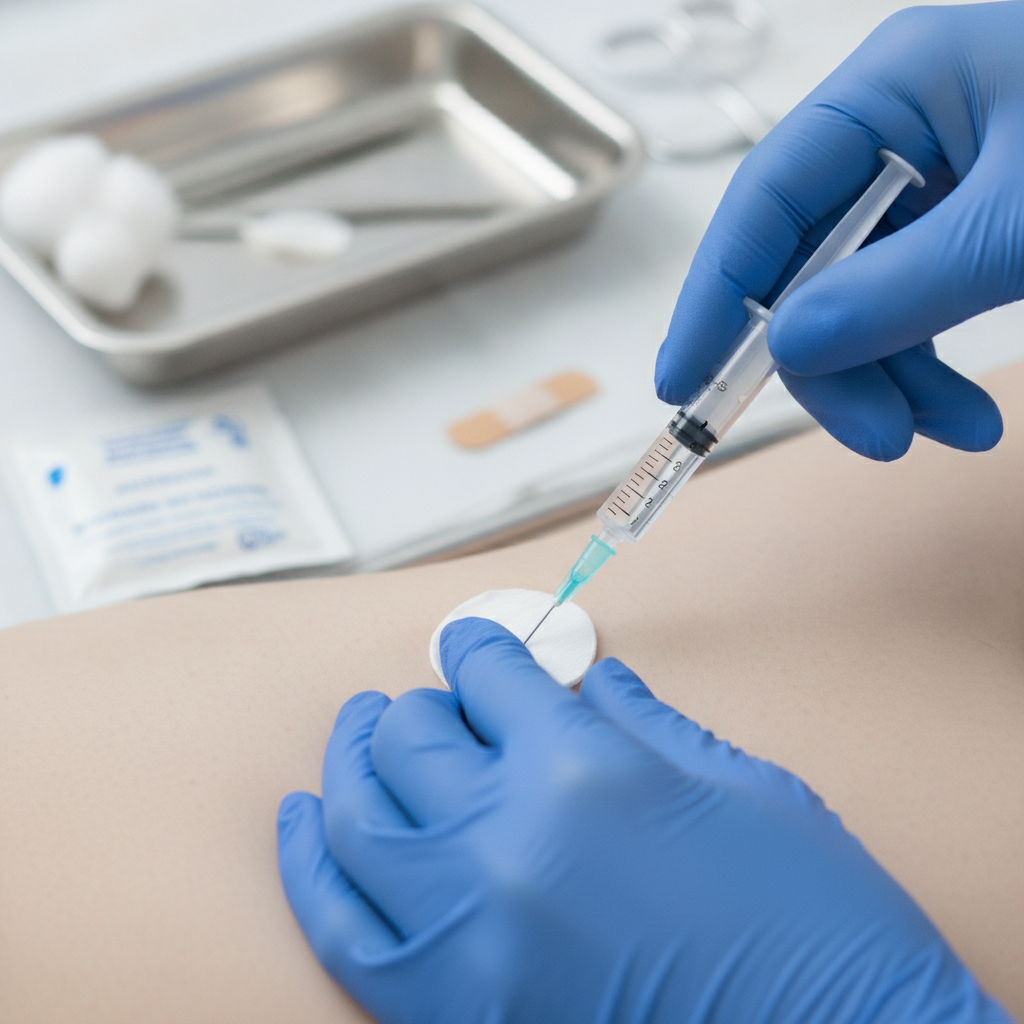
Sublocade injection is a monthly, long-acting buprenorphine treatment for opioid use disorder. It’s given under the skin of the abdomen in a clinic. The medicine forms a small depot that steadily releases buprenorphine over about a month to reduce withdrawal and cravings.
In practical terms, Sublocade replaces daily dosing with a clinic-based monthly visit. Patients typically start after stabilizing on sublingual buprenorphine/naloxone (often called Suboxone). This transition supports consistent blood levels and frees patients from managing daily doses, travel, or pharmacy pickups.
- Medication-assisted treatment (MAT): Sublocade is part of evidence-based MAT, alongside counseling and recovery supports.
- Monthly schedule: Most patients return every 4 weeks for the next injection with at least a similar interval between doses.
- Clinic-administered: A trained clinician delivers the subcutaneous abdominal injection in a controlled, confidential setting.
- Stability focus: The steady level can level out day-to-day symptom swings that some experience on shorter-acting forms.
At Road To Recovery, we provide Sublocade as part of a broader, judgment-free care model that also includes Methadone, Suboxone, and Kadian options. That means care teams can personalize treatment and transition plans over time as recovery needs evolve.
Why Sublocade matters
Sublocade matters because consistency supports recovery. Monthly buprenorphine helps reduce withdrawal, cravings, and daily barriers that can lead to missed doses. For many people, fewer logistics and steady coverage improve adherence, safety, and quality of life.
The reality is simple: when treatment is easier to follow, outcomes tend to improve. Monthly injections reduce daily decision points and the possibility of lost or stolen medication. They can also provide a discreet format for people balancing work, school, family, or travel.
- Fewer daily tasks: One injection covers the month, minimizing routine disruptions.
- Steady therapeutic levels: The medication releases gradually instead of peaking and dipping.
- Clinic oversight: Doses are administered by trained staff who monitor side effects and progress.
- Flexibility for life in Ontario: Scheduling monthly visits can fit around shift work, commutes, or family care all over Ontario.
Our teams across all over Ontario coordinate MAT with mental health referrals and practical supports. Family members can join education visits, and patients can access resources tailored to their recovery stage.
How Sublocade works (the monthly timeline)
Sublocade works by forming a small depot under the skin that slowly releases buprenorphine over about a month. After stabilizing on sublingual buprenorphine/naloxone, patients receive a clinic injection each month, with consistent coverage and regular follow-up.
Here’s the high-level sequence you can expect at Road To Recovery. It’s designed to start safely and keep things simple so you can focus on life, not logistics.
- Same-day intake: New OAT patients are triaged by a nurse and then seen by a physician the same day they start, reducing delays.
- Suboxone stabilization: Patients are first stabilized on sublingual buprenorphine/naloxone to ensure tolerance and symptom control.
- First injection visit: After stabilization, a clinician provides a subcutaneous abdominal injection in a private, judgment-free room.
- Recovery plan check-in: Brief counseling focuses on sleep, cravings, triggers, and safety planning; psychiatry referrals are arranged when helpful.
- Monthly repeats: Patients return about every month for the next dose, tracking goals like work readiness, family time, or education.
Because the medication is long-acting, missed daily pills aren’t an issue. This reduces common barriers (pharmacy timing, travel, or stigma) and helps many people stay engaged with recovery-focused habits.
Types, methods, and clinical approaches
Clinicians use Sublocade alongside other opioid agonist therapies like Methadone and Suboxone. The choice depends on patient goals, past treatment experience, medical history, and preferences. Monthly injections are one option within a flexible, patient-centered toolkit.
At Road To Recovery, we match the treatment format to what you want from recovery—stability, privacy, and less day-to-day hassle. Here’s how the main approaches compare in practice.
| Therapy | How it’s taken | Clinic cadence | When it’s helpful | Notes |
|---|---|---|---|---|
| Sublocade (monthly buprenorphine) | Subcutaneous abdominal injection | Every month | Want consistent coverage and fewer daily tasks | Clinic-administered; steady levels reduce daily swings |
| Suboxone (buprenorphine/naloxone) | Daily sublingual film or tablet | Initial weekly follow-up, then spaced out | Prefer self-dosing flexibility | Often used first to stabilize before Sublocade |
| Methadone | Daily oral solution | Frequent early monitoring, then take-home doses | History of response to methadone or complex needs | Long-established OAT with structured pharmacy support |
| Kadian (slow-release morphine) | Oral capsules | Clinic and pharmacy follow-up | Specific clinical scenarios under specialist guidance | Used selectively within patient-centered care |
Because MAT is not one-size-fits-all, our teams often combine medication plans with counseling, smoking cessation, and mental health supports. This whole-person approach maintains momentum during transitions and setbacks.
Best practices for safer, steadier recovery
The best approach with Sublocade is a structured monthly rhythm: stabilize on Suboxone first, receive clinic injections on schedule, and pair medication with counseling and recovery routines. Track sleep, cravings, and triggers—and adjust the plan with your care team as life changes.
We’ve found that simple, repeatable habits give patients the best shot at stability across all over Ontario. Use this checklist to keep your month on track and reduce surprises.
- Stay consistent: Treat the monthly visit like a non-negotiable health appointment, similar to a recurring checkup.
- Support pillars: Pair medication with brief therapy, peer support, and recovery routines (sleep, movement, nutrition).
- Safety focus: Carry naloxone if you or close contacts might encounter opioids; discuss overdose prevention plans.
- Symptom journaling: Note changes in cravings, mood, and stressors; bring the list to each visit.
- Plan for travel: If you’ll be away, coordinate your injection timing with the clinic in advance.
When patients follow this rhythm, we typically see steadier engagement and fewer disruptions from daily logistics. If your needs change, your plan can change—our clinicians regularly reassess whether Sublocade, Suboxone, Methadone, or Kadian best fits the next stretch of recovery.
Tools and resources you can use today
You can start with a same-day OAT intake at Road To Recovery, stabilize on Suboxone, and transition to monthly Sublocade with ongoing counseling. Our teams coordinate psychiatry referrals locally or virtually and provide family resources to support recovery.
Looking to dig deeper into how long-acting injectables work? Explore these technology primers on depot design and release behavior for context on monthly medications:
For broader context on long-acting injectables and how depots release medication over weeks, see industry overviews on formulation design and characterization. These resources explain why steady release supports monthly dosing schedules and clinic-based care models.
In our clinics all over Ontario, you can also explore our Sublocade knowledge pages. See our Sublocade overview for a big-picture tour; review the injection treatment guide for visit-by-visit details; and if you’re considering alternatives, compare options in our Suboxone Program.
When you’re ready, find monthly care near you: our Sublocade clinics in Ontario and a directory of Sublocade doctors can help you plan a first visit that fits your schedule.

Case examples from outpatient care
In outpatient settings, monthly Sublocade helps patients who want fewer daily tasks and steadier coverage. After stabilizing on Suboxone, they shift to injections, pair medication with counseling, and use brief monthly check-ins to track goals, side effects, and relapse prevention.
Consider three common scenarios we see in clinics all over Ontario:
- Balancing shift work: A patient with rotating shifts struggles to take sublingual doses on time. Monthly injections remove daily timing pressure and make room for regular sleep patterns.
- Reducing stigma exposure: A student living with roommates prefers discreet care. Clinic-administered Sublocade reduces home-based medication storage and privacy concerns.
- Rebuilding routines: A parent returning to work wants recovery to feel predictable. Monthly visits become anchor points to review stressors, sleep, and triggers with the care team.
In each scenario, the steady release and predictable schedule lower the burden of daily decisions. That keeps attention on rebuilding health, relationships, and work or school momentum.
Local considerations for all over ontario
- Coordinate your monthly visit around commute patterns and weather; winter storms can affect travel time between cities all over Ontario.
- Plan injection timing around holidays and school breaks to avoid gaps if you’ll be out of town.
- Ask about virtual mental health referrals through partners if in-person counseling is hard to schedule.
Frequently asked questions (FAQ)
These quick answers cover the most common Sublocade questions: how it’s given, who qualifies, side effects, and what monthly care looks like. For personal guidance, speak with our clinical team.
What is Sublocade injection and how is it given?
It’s a once-monthly buprenorphine injection given under the skin of the abdomen by a trained clinician. After stabilizing on sublingual buprenorphine/naloxone, patients come to the clinic monthly for a quick visit, monitoring, and counseling as needed.
Who is a good candidate for Sublocade?
People with moderate to severe opioid use disorder who prefer fewer daily tasks, want steady coverage, and can attend monthly clinic visits do well. A clinician will review your medical history, goals, and past treatments to confirm fit.
What are common side effects?
Common effects include injection-site tenderness or a small lump, headache, nausea, constipation, or sleep changes. Most are mild and short-lived. Report severe pain, breathing problems, or signs of allergic reaction to a clinician right away.
Can I switch from Suboxone or Methadone to Sublocade?
Yes, many patients start on Suboxone and then transition to monthly injections after stabilization. Methadone-to-buprenorphine transitions need careful planning; your care team will map the safest sequence if it’s appropriate for you.
What happens if I miss a monthly visit?
Call the clinic as soon as possible. Your team will help reschedule and guide temporary supports if needed. Planning ahead around travel or holidays reduces the chance of gaps.
Conclusion and next steps
Monthly Sublocade can simplify recovery: steady medication levels, fewer daily tasks, and predictable clinic support. If you value consistency and privacy, talk with our team about starting stabilization and planning your first injection all over Ontario.
Here are the key takeaways to keep handy as you plan:
- Monthly rhythm: One clinic visit can cover your month and remove daily dosing friction.
- Whole-person plan: Medication plus counseling and recovery routines keeps progress steady.
- Flexible pathways: Transitions between Suboxone, Sublocade, Methadone, and Kadian are possible with clinician guidance.
Ready to move forward? Start with our Sublocade overview, then plan a first visit using our Sublocade clinics in Ontario page. If you want a deeper primer, check out our Sublocade explainer for more details on what to expect.
Thinking about monthly treatment? Our teams offer same-day OAT intake flow, stabilization on Suboxone, and a clear path to your first Sublocade injection. Explore nearby options through our Sublocade doctors and clinic locations.
For readers curious about the technology behind long-acting depots used in once-monthly injections, background on formulation design and PLGA-based release systems can be useful. Industry primers on long-acting injectable formulation development, PLGA depots, and release characterization describe how medication disperses gradually over weeks.





You are Valued
Road to Recovery is an outpatient opioid detoxification center, with locations across Ontario.
- Confidential care
- Same-day support
- Personalized treatment