
Switching from Suboxone to Sublocade is the clinical process of moving from daily buprenorphine/naloxone to a once‑monthly extended‑release buprenorphine injection. At Road To Recovery clinics all over Ontario, we guide this transition through same‑day intake, short stabilization, and scheduled injections that keep coverage steady and reduce daily decisions.
By Road To Recovery • Last updated: 2026-06-11
Above‑Fold: Hook & Table of Contents
If daily dosing gets in the way, Sublocade replaces 30 pills or films with one monthly injection. If you prefer home flexibility, Suboxone may still fit best. This guide shows how to map the medicine to your life, minimize risk, and switch safely at Road To Recovery clinics across Ontario.
You’re not choosing a “better drug.” You’re choosing the routine you can actually live with. Use this guide to compare options, see the exact steps, and plan a smooth switch.
- What “Suboxone to Sublocade” really means
- Who should consider switching and when
- Step‑by‑step timelines and what to expect
- Side‑by‑side comparison for 2026
- Best practices, tools, and real‑life examples
Quick Summary
Switching from Suboxone to Sublocade starts with about 7 days of buprenorphine stabilization, then a 300 mg injection, another 300 mg at week 4, and monthly maintenance at 100 or 300 mg. Choose Sublocade for monthly simplicity; choose Suboxone for home flexibility. Road To Recovery coordinates same‑day intake and judgment‑free care.
In our experience supporting outpatients across Ontario, most people feel steadier within 24–72 hours after the first shot, with the biggest routine gains showing after the second monthly dose. Plan two appointments ahead to protect momentum during busy weeks or holidays.
What Is “Suboxone to Sublocade”?
“Suboxone to Sublocade” is a transition from daily buprenorphine/naloxone films or tablets to a once‑monthly, extended‑release buprenorphine injection administered in clinic. It reduces daily decisions, helps maintain steady blood levels for ~28–30 days, and can improve privacy and adherence.
Let’s translate the meds into plain language:
- Suboxone pairs buprenorphine with naloxone to deter misuse. It’s taken at home daily (often 8–24 mg/day), sometimes split into two doses.
- Sublocade is buprenorphine alone, injected under the skin monthly. It forms a small “depot” that releases medication steadily for roughly 4 weeks.
Why this matters: cravings and withdrawal are about brain receptor stability. A steady level from long‑acting buprenorphine lowers spikes and dips that can follow missed or late doses. Tech‑wise, the depot’s release profile is designed to provide sustained exposure over a full dosing interval. For additional background on how long‑acting depots are engineered and why they’re steady, see this overview of long‑acting injectables.
Bottom line SCU: Suboxone is flexible and patient‑directed at home; Sublocade is clinic‑administered and structure‑oriented. If daily dosing is fraying your routine, the injection’s predictability can be a lifeline. If you value on‑the‑fly adjustments, daily buprenorphine might still serve you best.
Why the Switch Matters for Recovery
Monthly injections remove 30 daily dosing decisions, lower diversion risk, and keep levels consistent—benefits that can strengthen routines, support privacy, and fit travel or shift work. Still, if you rely on flexible splits or quick dose tweaks, daily Suboxone may remain the better match.
Here’s why patients across our Ontario clinics ask about Sublocade:
- Fewer decisions: Replacing 30 daily doses with one appointment per month reduces friction and missed doses.
- Steadier exposure: Extended‑release delivery avoids peaks and troughs, which many patients report as fewer “roller‑coaster days.”
- Privacy at home or work: No films or tablets to store, no visible daily routine to explain.
- Clinic oversight: Injections are administered by trained clinicians, keeping diversion risk very low.
Who benefits most? In our clinics, we see strong results among people with shift work, students in shared housing, and parents juggling childcare—groups who often struggle to protect a daily pill/film routine. After two monthly injections, many report steadier sleep and fewer cue‑driven cravings.
SCU answer: Choose a medicine to match your life. If daily dosing feels like quicksand, monthly structure helps you move. If autonomy and adjustable dosing are non‑negotiable, keep Suboxone and double down on routines, reminders, and supports.
How the Suboxone → Sublocade Switch Works (Step‑by‑Step)
Most patients stabilize on daily buprenorphine for ~7 days, receive 300 mg Sublocade, repeat 300 mg at week 4, then continue monthly maintenance at 100 or 300 mg. We pair medication with monitoring, counseling options, and practical planning for work, travel, and family schedules.
- Same‑day intake: We review history, current dose, goals, and supports. A nurse triages first; a physician confirms the plan the same day.
- Stabilize on Suboxone: Typically 8–24 mg/day for about a week. Stability means controlled withdrawal and cravings without heavy sedation.
- Book weeks 0 and 4: We lock in your first two injection appointments to protect continuity.
- Injection day: A trained clinician administers a 300 mg abdominal injection. Expect localized tenderness for 1–3 days.
- Monitor 24–72 hours: Many people feel “evened out” within 1–3 days. We adjust the plan if symptoms are atypical.
- Second dose at week 4: Usually another 300 mg. Most report routine stability improving after this second dose.
- Maintenance monthly: Commonly 100 mg; some benefit from 300 mg. We revisit the dose if cravings, sleep, or mood aren’t steady.
- Ongoing care: We can coordinate counseling and psychiatry referrals locally or virtually through partners, keeping recovery whole‑person.
Technique and consistency matter in any long‑acting injection. For insight into the technical factors that keep release profiles stable across doses, see these critical quality attributes for long‑acting injectables.
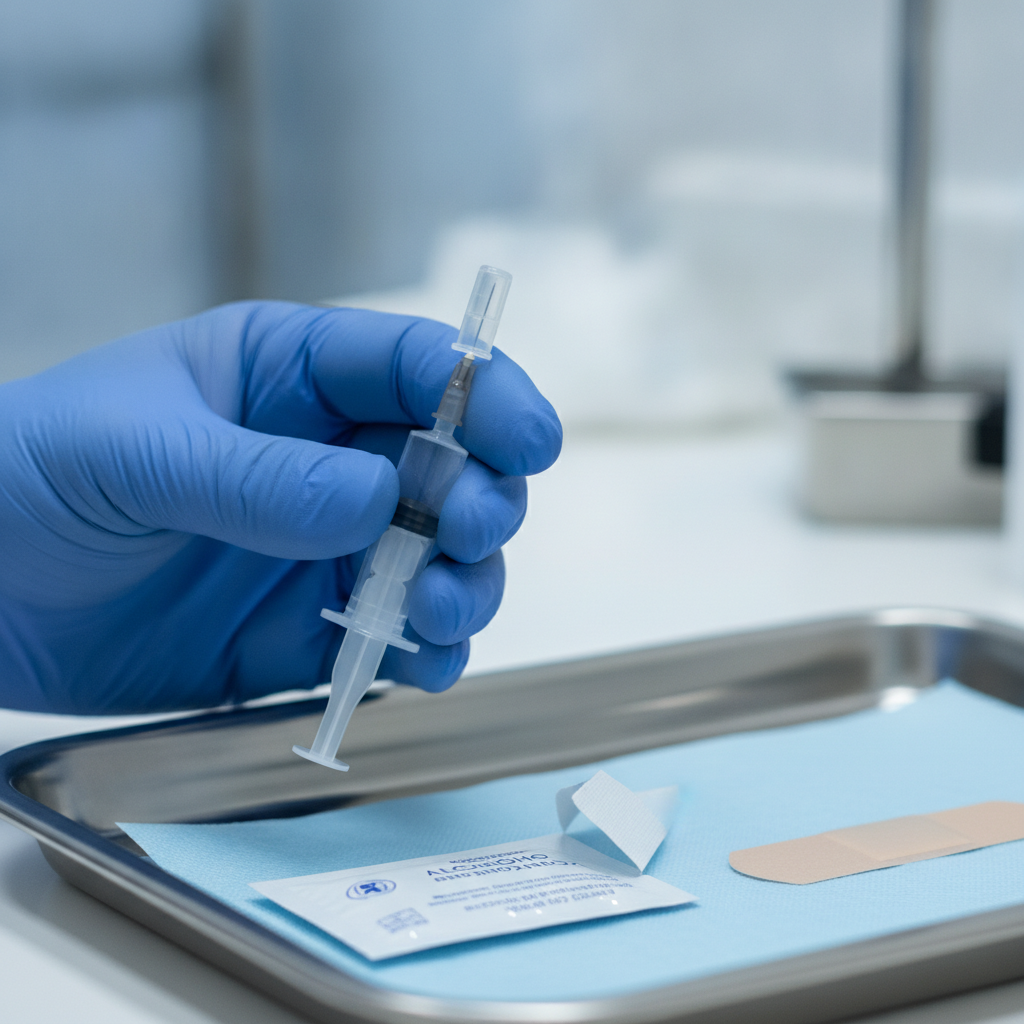
Eligibility checklist
- Currently on or able to stabilize on transmucosal buprenorphine for ~7 days
- No acute intoxication or severe sedation at visits
- Understands monthly clinic cadence and agrees to attend
- Has transportation and a support contact, especially for the first dose
SCU answer: The switch is a short, structured arc—stabilize, dose at week 0, redose at week 4, then maintain monthly. Lock in appointments early, monitor symptoms for 7–10 days after each shot, and pair medication with supports to amplify results.
Approaches to Switching (Standard and Rapid)
Most patients use a standard pathway: ~7 days of Suboxone stabilization, then 300 mg Sublocade at weeks 0 and 4. Rapid protocols exist for select cases with limited windows; they use brief transmucosal buprenorphine exposure before the first injection under close supervision.
Standard stabilization pathway
- Daily stabilization target: typically 8–24 mg of transmucosal buprenorphine for about one week
- First two injections: 300 mg at week 0 and week 4
- Maintenance: 100 mg monthly for many; 300 mg if cravings or cues persist
Rapid initiation considerations
- Short, observed transmucosal buprenorphine doses before injection
- Used when stabilization windows are tight (e.g., travel, housing moves)
- Requires close monitoring for precipitated withdrawal, cravings, or oversedation
Safety, technique, and follow‑up
- Expect localized tenderness, firmness at the site, and occasional bruising—all usually brief.
- We place the injection subcutaneously in the abdomen; you’ll avoid pressing or massaging the area for a few days.
- If you’re anxious about new meds, arrange a ride and a low‑demand afternoon after the first dose.
For formulation challenges that developers solve to keep long‑acting injections consistent and safe, review this discussion of long‑acting injectable formulation challenges. Understanding the mechanics can demystify why your care team follows a careful technique and monitoring plan.
SCU answer: Standard switching suits most people; rapid starts are reserved for specific scenarios. Safety is built into the cadence—observe, monitor, and re‑assess between week‑0 and week‑4 doses, then settle into a maintenance rhythm.
Sublocade vs Suboxone in 2026: Side‑by‑Side
Sublocade trades daily self‑management for monthly simplicity and clinic oversight. Suboxone offers home flexibility and quick adjustments. Decide based on routine stability, travel, work hours, privacy needs, and comfort with monthly appointments versus daily dosing.
| Feature | Sublocade (Injection) | Suboxone (Film/Tablet) |
|---|---|---|
| Dosing cadence | Once monthly | Daily (often split) |
| Active meds | Buprenorphine | Buprenorphine + naloxone |
| Start protocol | ~7 days stabilized on transmucosal buprenorphine | Clinic induction, then home dosing |
| Diversion risk | Very low (clinic‑administered) | Low–moderate (take‑home) |
| Travel/work fit | Great for travel and shift work | Flexible if pharmacy access is steady |
| Privacy | High (no take‑home meds) | Manage storage and disclosure |
| Adjustability | Clinic‑directed | Patient‑directed with guidance |
SCU answer: There’s no “one best” option. Sublocade shines when consistency, privacy, and low diversion risk are top priorities. Suboxone shines when flexible, self‑directed dosing is the key to sticking with treatment. Map the features to your week‑to‑week life.
Best Practices to Make the Switch Smoother
Plan two months ahead, keep stabilization simple, and pre‑book your first two injections. Track symptoms for 7–10 days after each dose, plan light duties the afternoon of dose‑1, and pair medication with counseling or peer support for better outcomes.
Before you start
- Pre‑book weeks 0 and 4 to safeguard momentum during holidays or overtime weeks.
- Use a predictable morning routine during stabilization (same time, same setting).
- Set two reminders: one for the appointment, one for a 48‑hour check‑in.
During weeks 0–4
- Track sleep, cravings, GI symptoms, and mood for 7–10 days post‑dose.
- Protect the injection site—avoid pressure and heavy abdominal exercise for a few days.
- Tell a trusted support person your appointment day and expected check‑in time.
After dose 2 and beyond
- Consider counseling or peer support to strengthen relapse‑prevention skills.
- Re‑assess maintenance dose (100 vs 300 mg) if cravings return late in the cycle.
- For travel months, confirm the appointment window 2–3 weeks ahead.
Soft CTA: If you’re ready to plan the switch, our team coordinates Sublocade injection visits and offers a clear prescription overview so you know exactly what to expect.
SCU answer: Success is mostly logistics. Book early, keep routines simple, and combine medication with supports. Small planning steps compound into steady months.
Tools and Resources That Help
Use secure clinic intake portals, reminder apps, and clear travel plans. Pair Sublocade with counseling or virtual psychiatry when needed. Road To Recovery offers same‑day intake for OAT and coordinates local or virtual mental health referrals to keep care connected.
- Secure online intake: Start quickly so stabilization can begin the same week.
- Reminders that stick: Calendar + text alerts + a support check‑in window.
- Education: Print our Sublocade Q&A and prescription guide.
- Clinic finder: If you’re new to our network, see Sublocade clinics in Ontario.
- Program options: Daily dosing fits better? Review our Suboxone Program.
Local considerations for all over ontario
- Winter weather can affect travel times; book morning appointments and set two reminders.
- Holiday weekends often change pharmacy hours; confirm timing around December and long weekends.
- Shift workers in healthcare, logistics, or trades: align injections with lighter roster weeks.
SCU answer: Tools matter most at hand‑offs—intake, week‑0, week‑4, and first maintenance month. Reminders, clear education, and a backup travel plan keep your cycle steady.

Case Studies and Examples (Outpatient Settings)
People switch for many reasons—privacy, travel, or shaky adherence. We often see steadier routines by week 8 when appointments, supports, and mental health care are aligned. These brief, anonymized scenarios show how different lives map meds to routines.
Parent on rotating shifts
- Stabilized at 16 mg Suboxone for 9 days; received 300 mg at week 0 and week 4.
- After dose 2, sleep normalized and evening cravings dropped.
- Monthly injections synced with the lighter half of a rotating work schedule.
Student in shared housing
- Chose injections for privacy after repeated missed morning doses.
- Attendance and mood improved by week 8 with counseling and a study‑buddy check‑in.
- Used our injection visit checklist to prep for appointments.
Mobile trades professional
- Moved to Sublocade to reduce pharmacy trips during a heavy season.
- With pre‑booked injections and virtual check‑ins, adherence stabilized.
- Considered 300 mg maintenance after late‑cycle afternoon cues; re‑assessed at month 3.
SCU answer: The pattern is consistent—after two injections, routines usually feel simpler. The right dose and cadence, plus small planning rituals, deliver the biggest wins.
Frequently Asked Questions
Most patients stabilize ~7 days on Suboxone before the first Sublocade injection, feel steadier within 24–48 hours, and continue monthly. You can switch back with a plan. Diversion risk is very low with clinic‑administered injections.
Do I need to be fully stable on Suboxone before my first Sublocade injection?
Most patients stabilize on transmucosal buprenorphine for about 7 days before the first 300 mg injection. Your clinician will confirm timing based on withdrawal control, cravings, and any side effects during the stabilization window.
How soon will I feel the effects after a Sublocade shot?
Many people feel steadier within 24–48 hours. Local tenderness or firmness at the injection site is common early on and usually fades within a few days. We schedule a quick check‑in to make sure your plan is on track.
Can I switch back to Suboxone if Sublocade isn’t right for me?
Yes. Because Sublocade releases medicine over weeks, your care team will plan the safe timing for re‑introducing transmucosal buprenorphine if needed. We’ll help you sequence the change to avoid withdrawal or overlap issues.
Is Sublocade better for preventing diversion?
Diversion risk is very low with Sublocade because it’s administered in the clinic and not dispensed to take home. If you’re using Suboxone at home, we’ll review responsible storage and routine check‑ins.
Key Takeaways
Match the medication to your life. Sublocade maximizes consistency and privacy with monthly injections; Suboxone maximizes flexibility with home dosing. Plan two months ahead, track symptoms after each dose, and combine medication with supports for the strongest results.
- Monthly injections remove 30 daily decisions and fit travel or shift work.
- Daily Suboxone is flexible and adjustable at home when pharmacy access is steady.
- Stabilize ~7 days, dose at week 0 and week 4, then maintain monthly.
- Book early, keep routines simple, and add counseling or peer support.
Conclusion and Next Steps
If daily dosing is holding you back, a once‑monthly Sublocade plan can simplify life quickly. If you need flexible, self‑directed dosing, Suboxone may still be your best fit. Either way, a short, structured plan keeps you moving forward.
Want a personalized plan? Our team supports same‑day intake for OAT, coordinates mental health referrals, and offers judgment‑free care across Ontario. See our Sublocade prescription overview or explore our Suboxone Program. Ready now? Book your first visit and we’ll map the switch together.
Related Articles on Our Site
For deeper dives, explore our practical walkthrough of Sublocade injection visits, a concise Sublocade Q&A, and our locator for Sublocade clinics in Ontario. If you ever need to reverse course, we also outline the Sublocade → Suboxone switch step‑by‑step.




You are Valued
Road to Recovery is an outpatient opioid detoxification center, with locations across Ontario.
- Confidential care
- Same-day support
- Personalized treatment